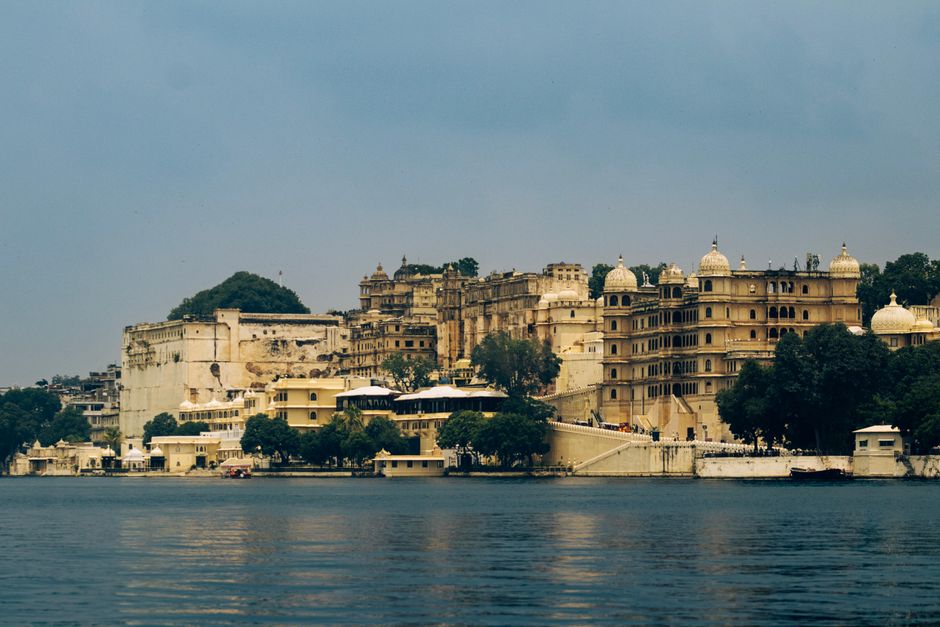
Udaipur is not built around one lake. Its historic setting links Lake Pichola, Fateh Sagar Lake, Swaroop Sagar, and nearby reservoirs into a water landscape that shaped the city’s palaces, roads, trade, and evening views. The practical problem appears on arrival: a short visit can easily become a tiring sequence of distant sights, midday heat, traffic delays, and crowded viewpoints.
The most reliable approach is to treat Udaipur as a city of connected zones rather than a checklist. The plan below explains what deserves priority, when each area works best, and which common choices make the visit less rewarding.
How should Udaipur be read on a first visit?
Verdict: begin with the old city and Lake Pichola, then use the second day for the northern lake district. That order follows the city’s historical shape and reduces unnecessary crossing between busy roads. It also places the most atmospheric views near sunset, when the Aravalli hills turn darker and the water reflects the old façades.
| Time | Area | Best use | Practical reason |
|---|---|---|---|
| 7:00–9:30 | Old city | Heritage lanes and early photographs | Cooler streets and lighter pedestrian traffic |
| 10:00–13:00 | City Palace complex | Courtyards, galleries, and lake-facing terraces | Allow at least two hours for a careful visit |
| 16:00–18:30 | Lake Pichola shore | Boat route or waterfront viewpoints | Late light gives the clearest palace silhouettes |
Udaipur rewards patience more than speed. A palace courtyard may look compact on a map, yet stairways, galleries, queues, and viewpoints extend the visit. The city also has uneven pavements and narrow lanes where vehicles compete with pedestrians. A plan with two major stops and one flexible block is usually stronger than a packed schedule.
What should a two-day Udaipur itinerary include?
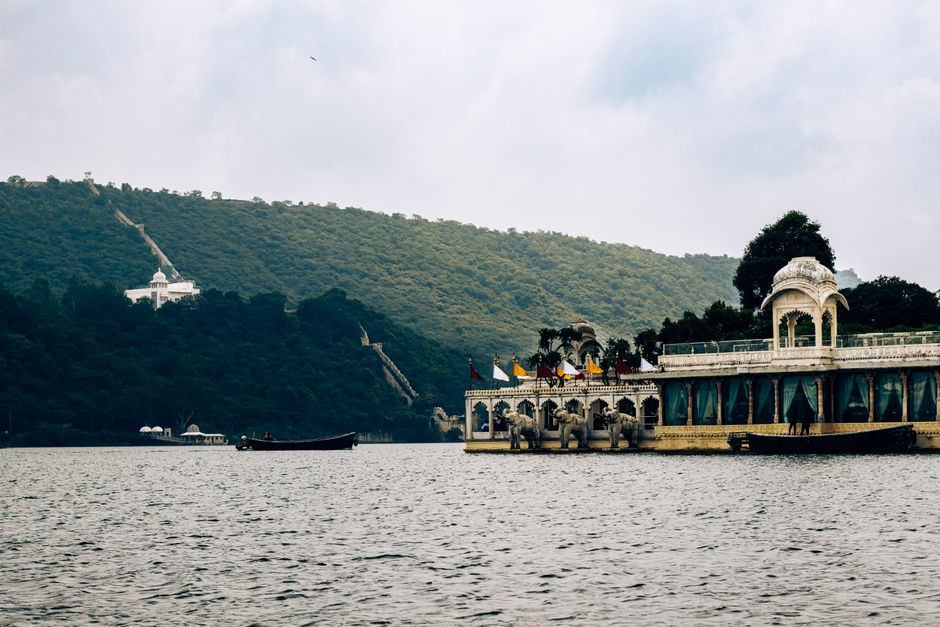
A two-day route should separate the historic core from the northern lakes. Combining both in one day creates long transfers and leaves too little time for the places that define Udaipur. The following structure works because each day has one central theme, one slower period, and one evening viewpoint.
Day one: City Palace, the old city, and Lake Pichola
Start near the old city shortly after sunrise. Move into the City Palace complex in the morning. Its significance lies less in one spectacular room than in the sequence of courtyards, painted interiors, balconies, and passages that show how a fortified royal residence developed over time.
After the palace, allow a quiet midday break. Heat and glare become serious from late morning through the afternoon for much of the year, and the old city offers few open stretches of shade. Return to the lakefront later in the day. A boat journey, when operating under suitable weather and local safety conditions, gives a useful view of the palace walls, ghats, islands, and hillside settlement pattern.
Day two: Saheliyon-ki-Bari, Fateh Sagar, and the wider landscape
Use the second morning for Saheliyon-ki-Bari, a garden known for fountains, pavilions, and shaded paths. Continue toward Fateh Sagar Lake, where the broad water surface creates a different impression from the enclosed views of Lake Pichola. The route is more spacious and works well for travelers who want a slower morning rather than another large interior complex.
Keep the late afternoon flexible. Sajjangarh, commonly called the Monsoon Palace, can offer a wide view across the city and surrounding hills, but cloud, road conditions, visibility, and access arrangements affect the experience. If the horizon is hazy, a lower lakeside viewpoint may provide a better result. The strongest itinerary is the one that preserves this choice.
What mistakes make Udaipur feel rushed?
Several small planning errors create most complaints about the city. They are avoidable.
- Starting late every day. The old city is more manageable in the first hours of daylight. Early starts also protect time for a midday rest, which matters during hot months.
- Treating every palace as a separate must-see. The City Palace is the essential first visit for most travelers. Adding several smaller residences without checking distance, opening conditions, and personal interest can turn the day into transport rather than sightseeing.
- Leaving the lake experience until the last minute. Boat operations can change with weather, water conditions, seasonal rules, or local scheduling. Keep the afternoon open and confirm the current arrangement locally before relying on it.
- Ignoring the walking surface. Old-city lanes include steps, uneven stone, tight turns, and traffic. Comfortable footwear and a small day bag are more useful than carrying extra equipment.
- Assuming every sunset viewpoint is equally clear. Dust, haze, monsoon cloud, and seasonal light change the view. A high viewpoint is not automatically better than a close view across the water.
- Planning only monuments. Udaipur’s character also appears in ordinary movement: laundry near the ghats, temple bells, market lanes, rooftop views, and the contrast between quiet residential streets and busy tourist corridors. Removing these pauses makes the city feel flatter than it is.
The clearest rule is simple: protect one unplanned hour each day. That buffer absorbs delays and leaves room for the parts of Udaipur that cannot be scheduled precisely.
Which lakes and palaces deserve priority?
Is City Palace the best first palace visit?
For a first visit, yes. The complex gives the strongest explanation of Udaipur’s royal history, defensive position, and relationship with Lake Pichola. It is also large enough to justify a dedicated morning. Travelers with limited time should choose this over collecting several smaller palace stops.
Is Lake Pichola better than Fateh Sagar Lake?
They serve different purposes. Lake Pichola offers the more concentrated historic scene: palace walls, island structures, ghats, and dense old-city edges. Fateh Sagar feels broader and more open, with a stronger sense of surrounding hills and public lakeside space. For photographs of historic Udaipur, Lake Pichola is the clear priority. For a calmer walk and a wider horizon, Fateh Sagar is the better choice.
Should Sajjangarh be included?
Include it when visibility is good and the road journey fits the day. Its value comes from the elevated panorama rather than detailed architecture inside the building. It should not replace the City Palace or the main lakefront on a first visit. Travelers who dislike winding roads, uncertain visibility, or long transfers may reasonably skip it and spend the time around the lakes instead.
Which lake is best at sunset?
Lake Pichola usually offers the most recognizable scene because the old palace district faces the water. The best result depends on light, haze, and the exact viewing point. Arriving before the final light gives time to move if a crowded terrace or obstructed angle is disappointing.