Arriving in Ulaanbaatar can feel disorienting: wide roads, Soviet-era buildings, busy traffic and grassland stretching beyond the city in every direction. The best trip combines a short urban stay with enough time outside the capital to understand how Mongolia’s landscape, weather and nomadic traditions shape daily life.
How Many Days Are Needed for Ulaanbaatar and the Steppe?
The clear recommendation is seven to nine days. Two nights in Ulaanbaatar gives enough time for the central sights, while five or six days allows a slower route through open grassland, rock formations, monasteries and small settlements. A shorter trip can work, but long drives will replace much of the experience.
Use Two Nights to Understand the Capital
Reserve the first full day for the central square, the National Museum area, Gandan Monastery and a viewpoint above the city. These places are close enough to combine, yet each explains a different part of Mongolia’s story: imperial rule, Buddhism, socialism and rapid modern growth. Avoid filling the evening with a distant attraction because traffic can turn a short journey into an hour-long crossing.
Give the Steppe More Than a Day Trip
Terelj National Park is close enough for a one-night escape, with roughly 65 kilometres between the city and the park entrance. That distance does not guarantee a quick journey; traffic, road conditions and stops can make the drive take two to three hours. For a deeper landscape experience, plan at least three nights outside the capital. The Gobi requires a separate route and should not be squeezed into a rushed week that already includes northern Mongolia or the central steppe.
Which Itinerary Works Best for a First Visit?
A central route is the strongest first-trip choice. It limits backtracking and keeps the journey varied instead of turning every day into a long transfer.
| Days | Base | Main focus | Practical reason |
|---|---|---|---|
| 1 | Ulaanbaatar | Arrival and central neighbourhoods | Allows time for delayed luggage or tiredness |
| 2 | Ulaanbaatar | Monasteries, museums and city viewpoint | Most key sights are accessible without crossing the whole city |
| 3 | Terelj area | Rock formations and short walks | Provides a gentle transition from city to open country |
| 4 | Terelj area | Longer hike and local family visit | One full day avoids a rushed excursion |
| 5 | Central steppe | Roadside landscapes and historic sites | Breaks up the return journey |
| 6 | Ulaanbaatar | Flexible city day | Protects the itinerary from weather or road delays |
| 7 | Departure | Airport transfer | Leaves a safe margin for the long road to the airport |
A longer trip can add the Gobi or a northern lake region, but each addition needs proper travel time. The best itinerary is the one that leaves room for unplanned stops rather than one that lists every famous place in the country.
What Should Travellers Expect Outside the Capital?
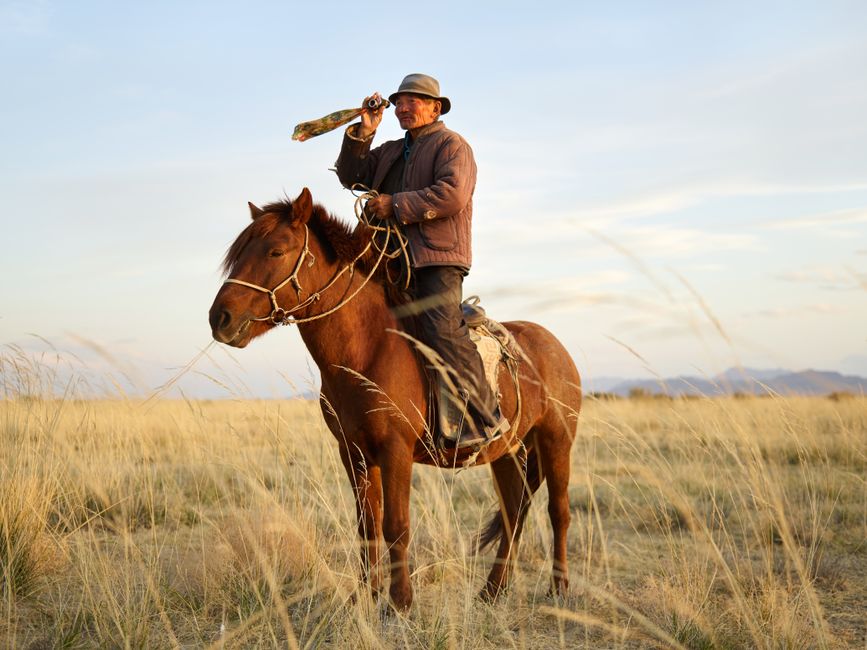
Expect distance, silence and basic comfort rather than a polished sightseeing circuit. The steppe is not an outdoor theme park. Roads can become rough after rain, mobile coverage may disappear, and a planned three-hour transfer can stretch much longer when the driver avoids flooded ground or waits for livestock to clear the route.
Landscape Changes More Quickly Than the Map Suggests
Near Ulaanbaatar, rolling grassland, pine-covered hills and granite formations create a softer introduction to Mongolia. Farther south, the land becomes drier, flatter and more exposed. Even within one day, temperatures can shift sharply between bright afternoon sun and a cold evening wind. The landscape often looks empty from the road, but it supports herding families, seasonal camps and wildlife that rewards patience rather than speed.
Ger Camps Are Simple but Meaningful
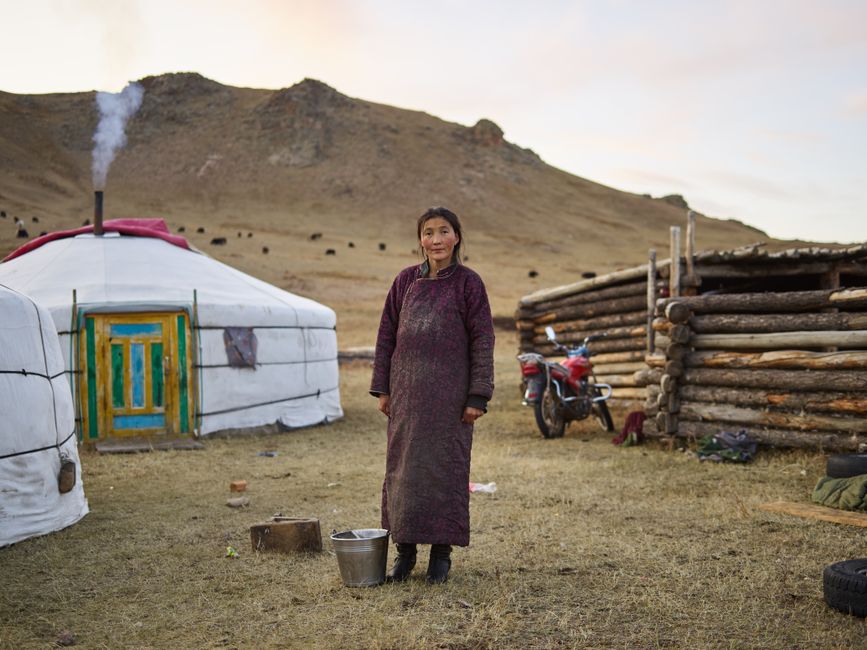
Traditional round homes are built for movement, weather and family life. A tourist ger camp may include beds, shared washrooms and a dining tent, but standards vary. Ask about heating, electricity, shower access and meal times before arrival. A basic camp can be memorable because of its setting, while an isolated site with poor communication can become frustrating if expectations are too high.
Weather Controls the Day
Clear skies do not guarantee easy conditions. Wind can make a short walk unpleasant, rain can change an unpaved road, and strong sun feels intense at altitude. The sensible approach is to schedule the most exposed walks earlier in the day, keep one flexible afternoon and treat road time as part of the journey rather than dead time.
How Can the Journey Be Made Smoother?
The most common mistakes happen before leaving Ulaanbaatar. Use this practical checklist:
- Build in a spare day. Road delays and weather changes are normal outside the capital, so avoid connecting a remote excursion directly to an international departure.
- Carry small cash notes. Rural services may not accept cards, and payment connections can fail outside towns.
- Pack layers instead of one heavy coat. A light base layer, warm middle layer and wind-resistant outer layer work across changing temperatures.
- Ask before photographing people, homes or animals. A friendly request is part of respectful travel, especially around family camps.
- Keep valuables close in Ulaanbaatar. Crowded buses, markets and busy streets require the same awareness as any large capital.
The strongest travel habit is leaving the schedule slightly open. A plan with one missed stop is better than a plan that turns every landscape into a view from a vehicle window.
Which Local Habits Make the Biggest Difference?
Respect for the home matters more than perfect language. When entering a ger, follow the host’s lead, avoid stepping on the central threshold and accept offered food or tea when possible. The gesture does not require a long conversation, but refusing everything can feel abrupt.
Move Carefully Around a Ger
Doors often face a particular direction, and the interior has a traditional layout. Do not lean on support poles, touch household items without permission or walk between the central stove and the rear family area. Ask before sitting, especially if several guests are already present.
Eat Simply and Ask Questions
Meals may include meat, dumplings, noodles, rice, dairy products or salted tea. Rural food is designed around available ingredients and long journeys, not restaurant variety. Vegetarian travellers should explain their needs clearly before a meal is prepared because options may be limited in remote areas.
Choose the Right Pace
Silence is not a problem that needs filling. A slow walk, a pause beside a rocky hill or an hour watching clouds move across the grassland can be more valuable than another rushed attraction. The best verdict for a first trip is simple: give the landscape enough quiet time to become more than scenery.
Ulaanbaatar or the Gobi: Which Route Should Come First?
Is the Gobi the Best First Landscape?
The Gobi is the right choice for travellers who want dramatic desert scenery, fossil history and wide open horizons. It is not the easiest add-on from Ulaanbaatar because distances are large and transfers can dominate the schedule. A Gobi route deserves several days and a tolerance for rough roads.
Is Terelj Better for a Short Trip?
Yes. Terelj works better when time is limited because it combines hills, forest, rock formations and family-run camps within a manageable distance of the capital. It offers a strong first taste of rural Mongolia without requiring a separate internal travel plan.
What About the Northern Lake Region?
The northern lake region suits travellers who value forests, water and a slower wilderness journey. It requires more time than Terelj and usually demands careful transport planning. For a first visit under ten days, it should replace another region rather than be added to an already crowded route.
The route verdict is firm: choose Terelj for a compact first visit, the Gobi for a dedicated desert journey, and the northern lake region for a longer nature-focused expedition.
What Should Be Remembered Before Leaving Mongolia?
Ulaanbaatar is the useful starting point, not the whole story. The city explains Mongolia’s history and present-day tensions, while the steppe explains the scale of the country, the demands of seasonal movement and the patience required by long-distance travel.
Plan fewer destinations, protect time for delays, listen to local hosts and keep expectations realistic about roads, showers and mobile coverage.
The most important takeaway is to treat Ulaanbaatar as the beginning of the journey and leave enough unhurried days for the Mongolian Steppe to shape the experience.