Arriving in Athens with two full days means making one firm choice: stay central and walk between major sights. The Acropolis, Plaka, Monastiraki, Syntagma Square and the best city viewpoints all sit within a manageable area. The mistake is treating Athens like a checklist and crossing the city for one extra attraction. That wastes time in traffic and leaves the best parts rushed.
How to structure two days in Athens
The smartest plan puts the Acropolis first, then builds each day around a compact walking route. Athens is easier to understand when the ancient hill stays at the centre of the map. Plaka spreads below its northern and eastern slopes, Monastiraki sits to the northwest, and the central squares and gardens continue north from there.
Start early at the Acropolis
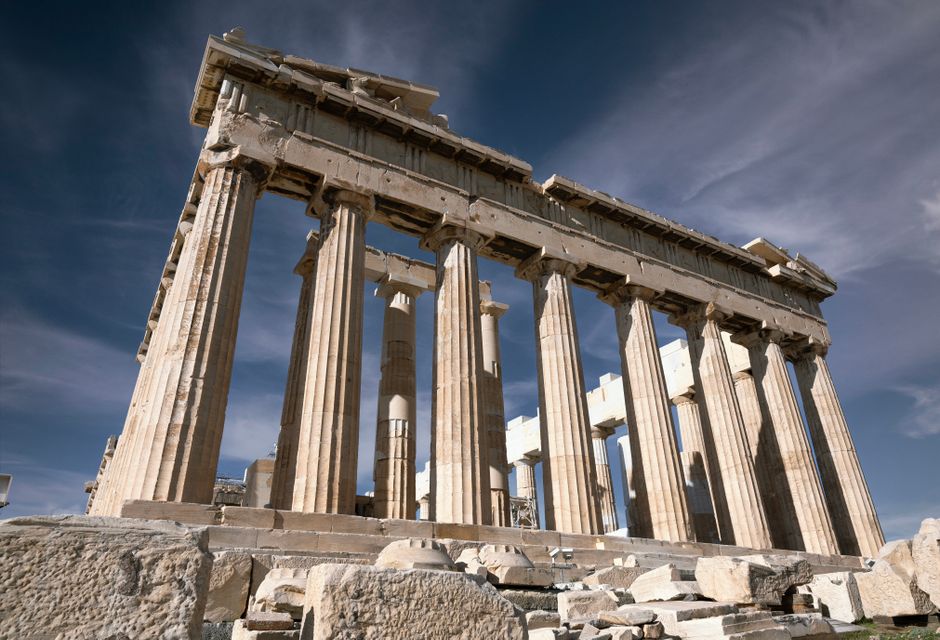
Begin the first morning at the Acropolis, before the heat becomes heavy and before the main paths fill with tour groups. Allow at least two hours for the Parthenon, the Erechtheion, the Propylaea and the southern slope. Add more time if the Acropolis Museum is part of the plan. The climb is not extreme, but the stone surfaces are uneven and become slippery when polished by years of foot traffic.
Use Plaka as a slow transition
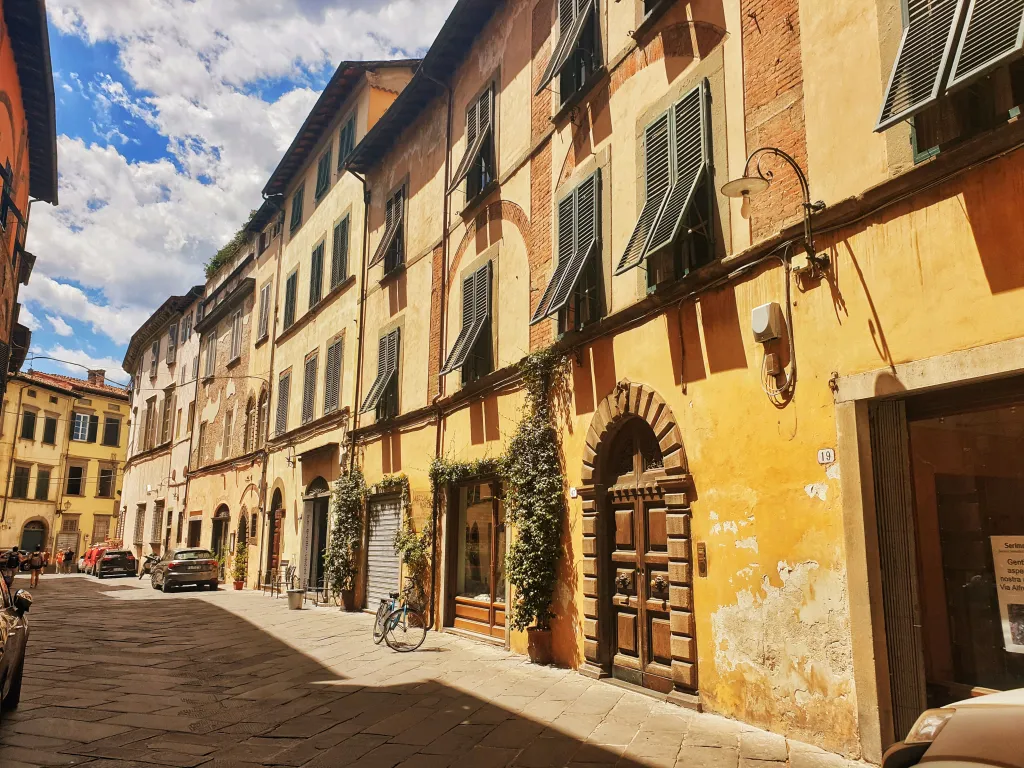
After the Acropolis, walk downhill into Plaka rather than jumping straight into another major sight. This is the right moment for a shaded street, a small bakery, a quiet church or a short break in a square. Plaka is attractive because the route changes pace: ancient stone gives way to narrow lanes, neoclassical buildings and residential corners. The area rewards wandering, but the best wandering comes after the main landmark, not before it.
Save the western centre for later
Monastiraki and the Ancient Agora fit naturally into the afternoon because they continue the historical story without requiring a long transfer. Finish near a viewpoint instead of returning to the accommodation. Philopappos Hill offers a broad view toward the Acropolis, while Areopagus Hill gives a much closer and more dramatic angle. The two viewpoints are close, but the stone at Areopagus is steep and smooth. Philopappos is the better choice for a longer, calmer walk.
What to see on each day
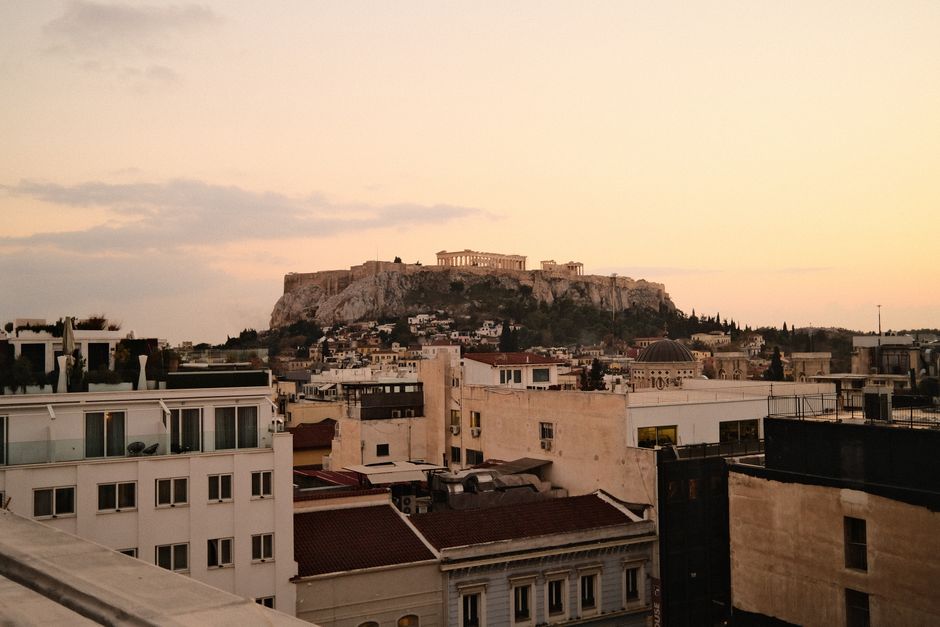
The following route keeps the two days geographically tight. Times are approximate, not a race. Athens rewards leaving gaps for heat, queues, food and the occasional street that deserves a closer look.
Day one: ancient Athens and the southern centre
| Approximate time | Area | What to do |
|---|---|---|
| 08:00–11:00 | Acropolis | Visit the summit monuments and walk the southern slope. |
| 11:00–13:00 | Plaka | Walk downhill, pause in the lanes and have lunch nearby. |
| 13:00–15:30 | Acropolis Museum area | Choose the museum or take a longer shaded break. |
| 16:00–18:00 | Olympieion and Syntagma | Walk past the Temple of Olympian Zeus toward the central square. |
| After sunset | Areopagus or Philopappos Hill | Choose one viewpoint for the Acropolis panorama. |
Day two: markets, agora and city life
| Approximate time | Area | What to do |
|---|---|---|
| 08:30–10:30 | Ancient Agora | Explore the open site and the restored Stoa of Attalos. |
| 10:30–12:00 | Monastiraki | Walk through the market streets and surrounding lanes. |
| 12:00–14:00 | Psyrri or central Athens | Eat lunch and rest away from the busiest streets. |
| 15:00–17:30 | National Garden and Syntagma | Take a cooler route through the garden toward Parliament. |
| Evening | Kolonaki or a hill viewpoint | Finish with a city view rather than another indoor attraction. |
This order works because the most exposed and physically demanding visits happen before the afternoon heat. It also leaves room to remove one stop without damaging the whole day.
The Acropolis is the priority, so treat it that way
Book the Acropolis around the day’s best energy, not around a late breakfast. The site is the reason many visitors come to Athens, and it deserves the clearest morning in the schedule. Trying to squeeze it into the middle of a packed day usually creates the worst version of the visit: heat, crowds, tired legs and constant clock-watching.
What the visit actually demands
Wear shoes with reliable grip. Bring water, but expect restrictions around large bags and some items at the entrance. The summit has limited shade, and the pale stone reflects heat upward. The route also includes steps, slopes and bottlenecks where visitors stop suddenly for photographs. A two-hour visit is a sensible minimum; a rushed forty-five-minute visit is not.
What to skip when time is tight
Do not force every nearby monument into the same morning. The Acropolis Museum is valuable, but it requires a separate block of attention. The Ancient Agora also deserves more than a quick look over a fence. Keep the Acropolis, one historic site, one neighbourhood walk and one viewpoint. That combination gives a stronger sense of Athens than six hurried entrances.
The clear verdict: for a two-day visit, the Acropolis should open day one, and the best viewpoint should close it. The sequence follows the city’s shape and protects the experience from avoidable fatigue.
Four mistakes that ruin a short Athens visit
Most two-day itineraries fail for practical reasons, not because Athens lacks things to see. Avoid these traps.
- Starting too late. A late arrival at the Acropolis pushes every later stop into the hottest and busiest part of the day. An early start creates options; a late start creates a chain of delays.
- Wearing unsuitable shoes. Smooth sandals and thin soles are a poor match for ancient paving, polished marble and steep viewpoint rocks. Grip matters more than appearance.
- Group sights by neighbourhood instead.
- Planning every meal as a destination. Athens has good food across the centre. A restaurant that requires a long detour is rarely worth sacrificing a viewpoint or a historic site.
- Ignoring the afternoon heat. The open archaeological sites offer little shade. Put indoor visits, a long meal or a slower neighbourhood walk between the morning ruins and the evening viewpoint.
- Assuming every viewpoint is easy. Areopagus Hill is close to the Acropolis but has uneven, steep rock. Philopappos Hill takes longer and involves more walking, yet it offers a more relaxed place to watch the city change colour.
The biggest planning error is confusing a full schedule with a good schedule. Athens is compact in the centre, but the heat, stone and crowds make each stop take longer than a map suggests.
Which Athens questions matter before leaving?
Is Plaka worth visiting if the Acropolis takes most of the day?
Yes. Plaka is the natural area to explore after the Acropolis because it sits directly below the eastern and northern slopes. It does not need a separate half-day. Walk through it for one to two hours, then decide if the streets, small churches and quieter corners deserve more time. The point is not to see every lane. The point is to experience the change from monumental Athens to everyday central Athens.
Are two viewpoints necessary?
No. Choose one based on the kind of view wanted. Areopagus gives the closest dramatic angle toward the Acropolis and is convenient after Plaka or the western side of the hill. Philopappos gives a wider panorama that includes the Acropolis, the city and, on clear days, the wider Attica landscape. For most visitors, Philopappos is the better single viewpoint because the walk feels like part of the experience rather than a quick photo stop.
What should be removed first when the plan runs late?
Keep one proper meal and a short rest. A two-day Athens plan should feel full, but it should not turn every street crossing into a deadline. The best version leaves enough space to look up, take the long route through Plaka and stop when the city offers something unexpected.