How to fit Istanbul into three days without wasting time
The best three-day Istanbul plan follows the city’s geography instead of jumping between famous sights. Day one belongs to Sultanahmet and the old imperial centre. Day two crosses the Golden Horn for bazaars, mosques and the Galata area. Day three uses the Bosphorus as the route into Asian Istanbul. This keeps travel time under control and leaves room for slow meals, queues and unexpected street scenes.
Istanbul is not a compact museum district. Hills, busy roads, ferry crossings and large crowds change the pace from one neighbourhood to the next. A map may show a short distance, but a steep climb, security line or crowded tram can turn it into an hour. The useful rule is simple: group sights by district, choose one major interior visit per half-day and treat the ferry as part of the experience rather than a delay.
A workable three-day rhythm
| Day | Main area | Morning | Afternoon | Evening |
|---|---|---|---|---|
| Day one | Sultanahmet | Blue Mosque and Hagia Sophia area | Topkapi Palace or Basilica Cistern | Sultanahmet or Eminonu meal |
| Day two | Grand Bazaar, Eminonu and Galata | Grand Bazaar and Beyazit | Spice Bazaar, Suleymaniye and Golden Horn | Galata Bridge and Karakoy |
| Day three | Bosphorus and Asian side | Early public ferry | Uskudar or Kadikoy exploration | Return across the water at sunset |
What deserves a fixed time
Reserve the parts of the day that depend on entry control, prayer schedules or ferry frequency. Major historic interiors are easier early in the morning, before tour groups arrive. Mosques remain active places of worship, so access can pause around prayer times and clothing checks may take a few minutes. The Bosphorus should receive a generous block rather than a rushed crossing between two attractions.
Keep one flexible hour each day. That space absorbs a long queue, a closed room, heavy rain or a lunch that becomes part of the trip. The strongest itinerary is not the one with the most pins on a map. It is the one that still works after the city changes the plan.
Day one: explore Sultanahmet in the right order
Sultanahmet contains Istanbul’s most recognizable monuments, but the area becomes tiring when every interior is attempted in one sweep. The clearest route starts outdoors, moves into one major paid or timed sight, then slows down around the gardens and old streets. The day works best with an early start and a proper pause after lunch.
Start with the square and the two great mosques
- Begin in Sultanahmet Square before the busiest tour groups arrive. Use the open space to understand the layout: the Blue Mosque stands on one side, Hagia Sophia on the other, with the former Byzantine and Ottoman centres layered around them.
- Visit the Blue Mosque when access is available. Cover shoulders and legs, remove shoes at the entrance and keep voices low. The building remains a working mosque, not only a monument, so the visit must follow the rhythm of worship.
- Walk across the square to the Hagia Sophia area. Allow time for the exterior, surrounding gardens and changing entry arrangements. Interior access rules can change, and the religious character of the building matters as much as its architecture.
- Take a real break before the next sight.
Choose one deep interior visit
Topkapi Palace is the better choice for visitors interested in imperial history, courtyards and views across the water. The Basilica Cistern is better for architecture, atmosphere and a shorter visit below street level. Both can fit into one day, but forcing both into a tight schedule weakens the experience. Pick the one that matches the main reason for visiting the old city.
Topkapi needs more walking than many visitors expect. Its courtyards spread across a hill, and the best rooms are not always close to the entrance. The Basilica Cistern is easier on the legs but may have a queue at the most popular times. In either case, check current access information before leaving the accommodation.
Finish near the water, not in another queue
After the main sight, walk downhill toward Gulhane Park or Eminonu. This creates a natural change from monumental Istanbul to working streets, fishermen, ferries and food stalls. The evening light around the Golden Horn is often more memorable than a final rushed museum. Day one should end with enough energy left to enjoy dinner, not with an extra attraction added only because it appears close on a map.
Day three: let the Bosphorus shape the day
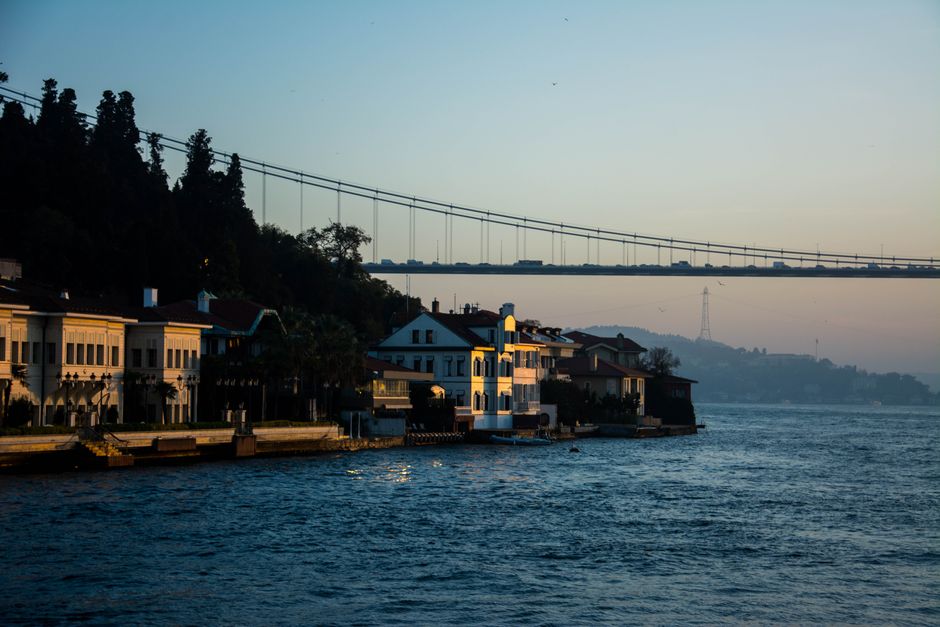
Use the third day for distance, water and a different view of Istanbul. The Bosphorus is not only a sightseeing backdrop. It is a working passage used by commuters, cargo vessels, ferries and local passengers. A public ferry provides the most useful balance of scenery and everyday life, especially when the ride is treated as the main event rather than a quick transfer.
Take an early ferry and stay flexible
Start from a central ferry terminal after checking the current timetable. Routes and departure points can change, and weather affects the experience, so verify the same morning. Sit outside when conditions allow. The open deck gives clear views of minarets, waterfront mansions, fortress walls, bridges and the steep hills rising behind the European shore.
Do not plan a complicated chain of ferries. Choose one crossing and one main destination. Uskudar works well for a waterfront walk and a broad view back toward the historic peninsula. Kadikoy offers a busier neighbourhood atmosphere, food streets and access to Moda. The right choice depends on the preferred pace, but both are stronger when given several hours rather than treated as a quick photograph.
Uskudar or Kadikoy: pick one
| Destination | Best for | Walking style | Ideal finish |
|---|---|---|---|
| Uskudar | Waterfront views and a quieter Asian-side introduction | Linear promenade with open skyline views | Return ferry near sunset |
| Kadikoy | Markets, neighbourhood life and a livelier food scene | Busy streets followed by a walk toward Moda | Evening meal before returning |
Choose Uskudar when the priority is scenery and a clean view of the European shore. Choose Kadikoy when the priority is local street life and a less monumental side of the city. Neither needs to be combined with a second Asian-side district on a three-day visit. That extra transfer usually adds logistics without adding much understanding.
Return with room for the final view
Return before the last practical ferry if the accommodation is on the European side. Keep the evening simple: a walk near the waterfront, a final view of the mosques from across the Golden Horn or a meal in a neighbourhood already visited. The Bosphorus is at its best when the day has space around it. A packed schedule turns the water into scenery seen through a window.
Mistakes that ruin a three-day Istanbul itinerary
The biggest mistake is treating Istanbul as a list of attractions. The city is too large, too hilly and too changeable for that approach. A good itinerary protects energy, builds in route logic and accepts that one sight may need to be skipped.
Common failures and the better fix
- Trying to see both continents every day: Cross the water once on day three and spend the other days within connected districts.
- Scheduling every major interior: Select one deep visit in each half-day. Long queues and security checks are part of the timing.
- Ignoring prayer times: Check access information before walking across town. A mosque may close briefly or restrict visitor areas.
- Wearing unsuitable shoes: Hills, uneven paving and long museum routes demand comfortable footwear with secure soles.
- Leaving no weather plan: Keep covered markets, cisterns and museums as alternatives when rain or strong heat changes the day.
- Eating only beside monuments: Walk a few streets away, read the menu carefully and ask for the total before ordering.
- Trusting a perfect timetable: Ferries, traffic and queues can shift. One flexible hour protects the rest of the day.
When not to follow this itinerary
Visitors who dislike hills may prefer a lighter schedule with one district per day. Families with very young children may need shorter interiors and longer breaks. Travellers arriving late at night should move the Sultanahmet plan to the second day rather than forcing an early start after poor sleep.
For most first visits, the strongest choice is still the three-zone plan: historic peninsula, bazaars and Golden Horn, then Bosphorus and the Asian side. It covers Istanbul’s major contrasts without pretending the city can be fully completed in seventy-two hours. The itinerary works because it leaves enough space for the parts no guide can schedule: a ferry changing the skyline, a quiet mosque courtyard, or a market lane that leads somewhere unexpected.