Three days in Kraków gives enough time to see the medieval centre, walk through the former Jewish quarter and visit Wawel without turning the trip into a checklist. The best plan keeps the main sights close together, leaves room for slow streets and treats each day as a different side of the city.
How to divide three days in Kraków
The most efficient plan follows Kraków’s geography. Old Town sits at the centre, Wawel rises just south of it, and Kazimierz begins a short walk beyond the castle. Keeping each day focused on one area reduces backtracking and makes space for café stops, museums and unplanned discoveries.
| Day | Main area | Best focus | Walking level |
|---|---|---|---|
| Day 1 | Old Town | Main Market Square, St. Mary’s Basilica, Cloth Hall and Planty Park | Moderate, with frequent stops |
| Day 2 | Wawel and the Vistula | Castle complex, cathedral, river paths and southern Old Town | Moderate, with steps |
| Day 3 | Kazimierz and Podgórze | Synagogues, local streets, riverside walks and historical sites | Moderate to high |
Start early on the first two days. Main Market Square feels calmer before 9 a.m., and Wawel becomes harder to enjoy once tour groups fill the courtyards. Kazimierz works better later in the day because its streets, restaurants and small cultural venues become more lively from the afternoon onward.
Best overall verdict: sleep within walking distance of the centre, but do not spend all three days there. Kraków’s character becomes clearer when the polished medieval core gives way to Kazimierz’s layered history and the quieter paths along the Vistula.
Why Kraków is best explored on foot
The compact historic centre
Kraków’s central sightseeing area is unusually manageable. Main Market Square connects to narrow streets leading toward the old university quarter, Wawel Hill and Planty Park, the green belt that follows the former city walls. Many important landmarks sit within a 20-minute walk of one another, so public transport is rarely needed for the core itinerary.
The short distances can be misleading. Cobbles, crowded crossings, uneven paving and repeated stops make the day more tiring than the map suggests. Comfortable shoes matter more than ambitious route planning. A morning route of two kilometres can easily become four or five after detours, interior visits and time spent finding a quiet entrance.
Reading the city beyond the landmarks
The centre is not only a collection of monuments. Look for the contrast between grand façades on the main square and quieter courtyards behind the streets. Planty Park shows where the old defensive walls once stood, while the lanes near the university reveal how closely medieval buildings, student life and modern tourism now overlap.
Kraków also rewards a slower pace. A church may take ten minutes to visit, but its surroundings can explain more about the city than a rushed sequence of interiors. Allow time to look upward, check side streets and pause near the Vistula embankment. This approach gives the trip depth without adding more destinations.
Strongest practical choice: walk between nearby sights and use transport only for longer crossings or late returns. Taxis and trams save time, but they also remove the street-level details that make Kraków easy to understand.
Day 1: Old Town from the market square outward
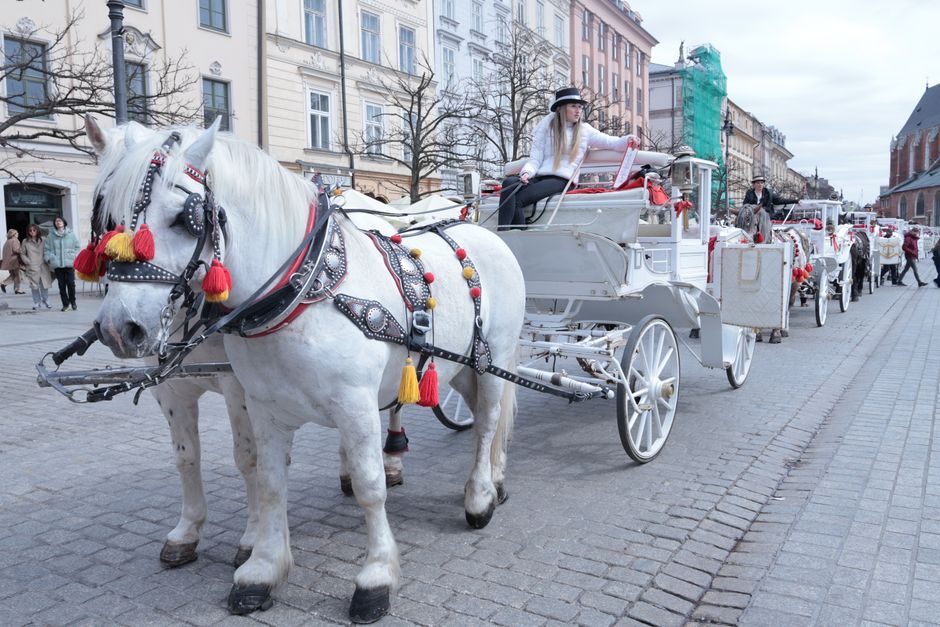
Keep the first day simple. Kraków’s Old Town has enough detail for a full day, and rushing through it creates a poor sense of scale.
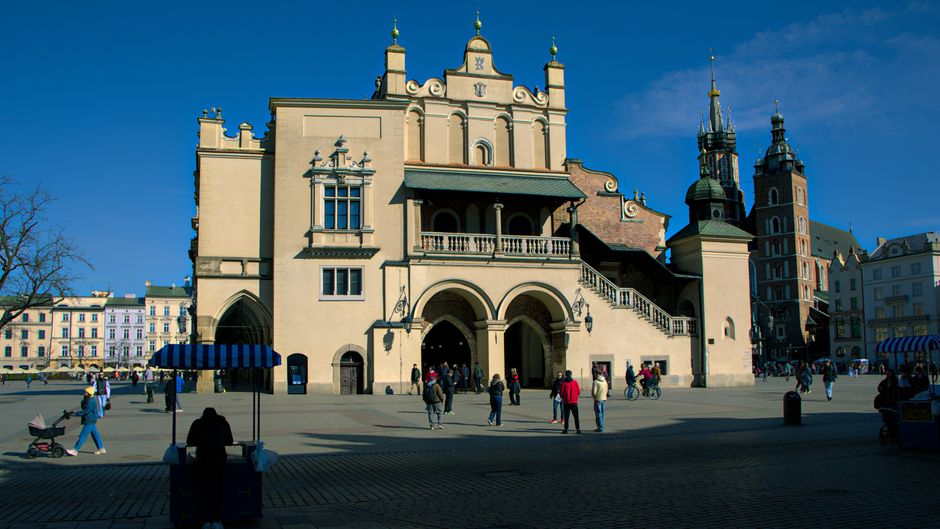
- Begin at Main Market Square before the crowds. Walk around the full square instead of heading straight to one landmark. The open space makes the city’s medieval layout easier to read, with the Cloth Hall in the centre and St. Mary’s Basilica on the eastern side.
- Visit St. Mary’s Basilica and listen for the trumpet call. The hourly signal from the tower is one of Kraków’s most recognisable traditions. Check entry arrangements locally because worship and sightseeing may use separate access points.
- Cross through the Cloth Hall, then leave the busiest route. Continue toward St. Francis’ Basilica, the university quarter and the older streets near Collegium Maius. These areas feel less staged than the centre and offer better pauses.
- Use Planty Park as a reset. Follow part of the green belt in the late afternoon. It gives shade, benches and a clear change of rhythm after several interiors and crowded streets.
- Return to the square after dark only if the energy is right. Evening light changes the façades, but the centre can become noisy. A quieter street near the park may suit travellers who prefer conversation and a slower meal.
The common mistake is treating Old Town as a two-hour photo stop. That leaves no time for the university district, small courtyards or the park that explains the city’s former boundaries. Another mistake is booking every hour. Keep at least one open block so weather, queues or an unexpectedly interesting street do not disrupt the whole day.
Day 2: Wawel, the river and Kraków’s southern edge
How to plan the castle complex
Arrive in the morning and allow several hours. Wawel is not one single attraction: the cathedral, castle courtyards, state rooms, exhibitions and grounds can follow different entry systems. Choose the interiors that match the group’s interests instead of attempting every available room. The cathedral suits visitors interested in dynastic history and religious art, while the castle exhibitions provide more detail about royal life and the building’s changing uses.
Wear shoes suitable for stone steps. Some routes inside the complex feel narrow, and queues can form at popular entrances. A timed admission, when available, is more useful than arriving without a plan during the busiest part of the day.
What to do after Wawel
Walk downhill toward the Vistula rather than returning immediately to the market square. The river paths offer a broad view of Wawel Hill and a less crowded setting for lunch or a break. Continue east or west along the embankment, depending on weather and energy, then enter Kazimierz through the southern streets.
This day works best when the castle remains the main event. Do not add a distant museum simply to fill the schedule. Wawel, the river and the walk toward Kazimierz already create a full route with clear contrasts: formal interiors in the morning, open water and changing city views in the afternoon. For a first visit, this is more rewarding than collecting disconnected sights.
Day 3 questions: Kazimierz and Podgórze
What should be seen first in Kazimierz?
Start around the historic synagogues and the streets surrounding them. Kazimierz was once a separate town and later became one of Kraków’s most important Jewish districts. Its surviving buildings, cemeteries and religious sites carry a history that cannot be reduced to nightlife or restaurant culture. Visit respectfully, dress appropriately for religious spaces and check opening arrangements before walking across the district.
Is Kazimierz better in the morning or evening?
Morning is better for quiet streets, serious visits and clear photographs. Late afternoon and evening reveal the area’s social side, with busy squares and restaurants. The best three-day plan uses both: historical sites earlier, followed by a slow walk and meal once the streets become more animated.
Should the route include Podgórze?
Yes, if there is enough energy for a longer day. Cross the river toward Podgórze and visit the areas connected with Kraków’s wartime history. The route has fewer postcard views and asks for more attention, but it adds context that the central districts cannot provide. Allow extra walking time and avoid treating memorial sites as quick stops.
Finish near the river or return through Kazimierz rather than forcing another major attraction. The final day should leave room for reflection. Kraków’s history is layered, and the strongest impression often comes from moving between places at different speeds rather than adding one more ticketed entrance.
Mistakes to avoid on a three-day Kraków itinerary
The clearest verdict is simple: protect time, respect the city’s history and do not measure success by the number of interiors entered.
- Do not overbook Wawel. The complex can take half a day when queues, security and walking between sections are included. Select the most relevant areas before arrival.
- Do not visit every historic district at once. Old Town, Wawel, Kazimierz and Podgórze connect on a map, but each has a different emotional and historical weight. Rushing between them weakens all four experiences.
- Do not assume the main square shows the whole city. It is the correct starting point, not the complete destination. Planty, the river and the southern districts provide essential contrast.
- Do not treat memorial sites as background scenery. Read the information, keep voices low and allow time for the subject matter to settle.
- Do not ignore weather. Rain makes cobbles slippery and long outdoor routes uncomfortable. Move museum visits earlier on wet days and keep a shorter riverside route available.
- Do not plan the final evening too tightly. Delays, tired legs and long meals are normal parts of a walking city break. A flexible final night usually feels better than one more scheduled stop.
Three days in Kraków works when the itinerary has a backbone but still breathes. Old Town provides the visual introduction, Wawel supplies the historical centre of gravity, and Kazimierz and Podgórze add the difficult layers that make the city more than a beautiful medieval square.