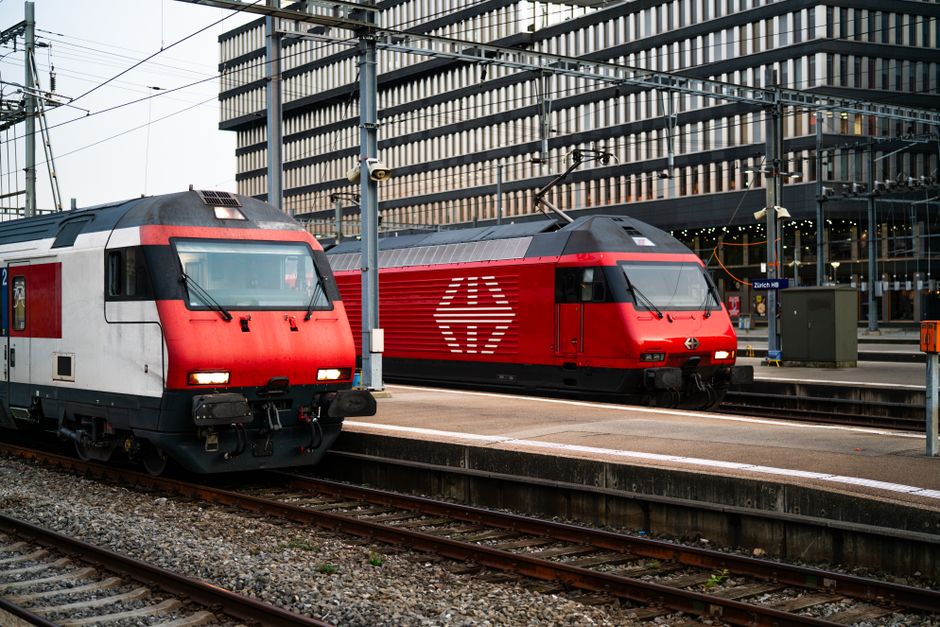
A traveler arrives at the station after breakfast, changes trains twice, crosses a border, and reaches the next city before dinner. The plan looks efficient on paper. In practice, one late departure, a distant station, or an oversized bag can erase the entire afternoon. A workable rail itinerary needs more than a list of attractive cities. It needs route logic, realistic transfer time, and enough space for the places along the way.
How many cities should a train trip include?
The right number depends on the length of the trip and the amount of time each city deserves. A seven-day journey usually works best with three main bases. A ten-day journey can support four cities if the connections are simple. Adding a new stop for every travel day creates movement, not discovery.
Use nights as the first planning measure
Count overnight stays before counting destinations. A city visited for one night often becomes a rushed arrival, a quick meal, and an early departure. Two or three nights create room for a full day, a delayed train, and local activities that do not fit neatly into a timetable. For a first route, assign at least two nights to major cities and one night only to a deliberate stopover.
Test the trip against a simple itinerary grid
| Trip length | Comfortable city count | Maximum major travel days | Best use |
|---|---|---|---|
| 5 to 6 days | 2 to 3 cities | 2 | One region with short connections |
| 7 to 9 days | 3 to 4 cities | 3 | Two neighboring countries or a single corridor |
| 10 to 14 days | 4 to 6 cities | 4 | A broad route with planned rest days |
| 15 days or more | 5 to 8 cities | 5 or 6 | A slow regional journey with optional detours |
The strongest starting rule is simple: remove one city from the first draft. If the trip still feels complete, the shorter route is probably the better route.
How to build a train route around geography
Start with a line on the map, not a wish list. The most reliable multi-city routes follow a natural rail corridor, such as a coast, river valley, national border, or major metropolitan chain. This reduces backtracking and makes schedule changes easier to absorb. A route that zigzags across a region may contain more famous names, but it also creates longer travel days and more chances to miss a connection.
Choose a directional route
Pick one arrival city and one departure city whenever possible. An open-jaw route avoids returning to the first station and turns the journey itself into part of the trip. For example, a northern European plan might move from London to Paris, Brussels, Amsterdam, and Cologne before ending farther east. A western Mediterranean plan might connect Lisbon, Madrid, Barcelona, Marseille, and Milan. These are planning examples, not fixed schedules; border rules and departure times must be checked for the intended travel dates.
Measure the whole transfer, not just train time
Add at least 45 minutes before a major departure. Add more time at large international stations, where separate concourses and security checks can lengthen the walk. A connection under 20 minutes should be treated as fragile unless both trains use the same station and the next departure is frequent.
Keep the most flexible city near the middle of the route. It can absorb a delayed arrival or a missed connection without damaging the final departure. The last city deserves extra protection because a late train there can affect a flight, ferry, or other fixed commitment.
The best pace leaves room for the city
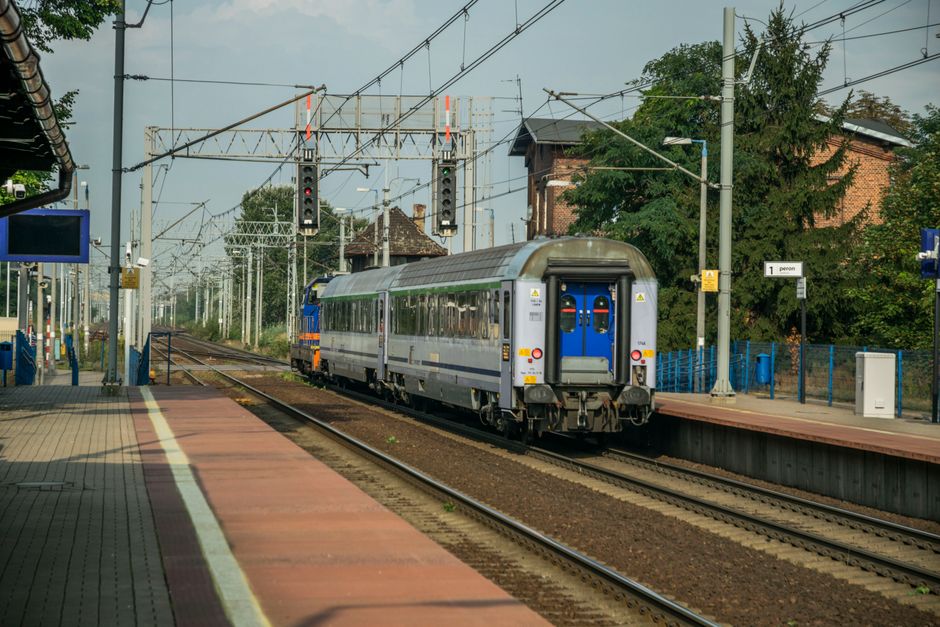
Choose fewer bases and stay longer. A train trip feels rewarding when travel connects places, not when travel replaces them. Two nights is a workable minimum for a compact city; three nights is the better choice for a large capital, a first visit, or a place with day trips nearby.
- Use the first day in a city for arrival, orientation, food, and one easy sight.
- Use the middle day for the main neighborhood, museum, walk, or local activity.
- Use the final morning for a market, park, café, or short local visit before departure.
- Reserve one low-pressure block every three or four days for laundry, rest, or a missed plan.
- Place demanding travel legs after a restful city, not after a late night or an early tour.
A seven-day itinerary with three cities usually feels fuller than one with five. The extra time pays for local meals, unexpected streets, weather changes, and the simple pleasure of learning how a place works.
How to protect connections from common failures
Rail travel is usually easier than flying between nearby cities, but the plan still has weak points. A missed connection can come from a late departure, a platform change, a station mistake, or a separate ticket that offers no protection for the next leg. Build the itinerary around failure control.
- Check the station name. Some cities have multiple stations, and a train may leave from a peripheral terminal rather than the central one.
- Separate fixed commitments from flexible plans. Put flights, ferries, and timed events after an overnight buffer whenever possible.
- Allow for border procedures. International routes can involve identity checks, platform changes, or extra boarding rules.
- Keep a backup departure. Record the next practical train, its departure time, and the station needed to reach it.
- Save essential information offline. Store tickets, addresses, booking numbers, and a simple route map before leaving reliable internet access.
- Do not schedule a major attraction immediately after arrival. The first train delay should not destroy the only time slot for the trip.
The strongest protection is a loose final day.
Pack for stations, stairs, and changing weather
Pack for movement rather than for an imagined hotel room. A manageable bag should fit through a narrow aisle, lift onto a luggage rack, and stay close during a platform change. Heavy luggage creates a physical tax on every transfer, especially in older stations with stairs, long corridors, and limited elevators.
Build a station-ready packing system
Keep travel documents, water, a light layer, medication, and a small snack in one reachable section. Put clothes in compact groups so the entire bag does not need to be opened in a public station. Wear shoes that handle wet pavement and long walks. A small lock can secure a bag temporarily, but it does not replace supervision.
Plan around local conditions
Train stations can feel warm while platforms feel cold, and a sunny afternoon can turn into rain before the next transfer. Pack one layer that works across temperatures and keep it near the top. Avoid a schedule that depends on changing clothes, drying laundry, or carrying equipment between every city. For a multi-city route, simple clothing and reliable walking comfort beat a larger wardrobe.
Pack light enough to move without help. That single choice improves station navigation, shortens boarding time, and makes an unexpected hotel change far less stressful.
What should happen on a typical travel day?
How early should a traveler reach the station?
Arrive 30 to 45 minutes before a normal departure. Use more time for a large station, an international route, or a departure that requires a reserved seat or identity check. The goal is not to stand beside the platform for an hour. The goal is to leave room for the walk from the entrance, a ticket problem, and a platform change.
What belongs in the first hour after arrival?
Find the local transport connection, confirm the accommodation address, and identify a nearby place for food or supplies. Avoid stacking a timed attraction into the first hour. A calm arrival makes the rest of the day more useful, especially after a long cross-border journey.
How can a local tip improve the route?
Ask accommodation staff or a local information desk which station entrance, neighborhood route, and transport connection are simplest. Stations often have several exits, and the closest exit to the correct street can save more time than a faster train. Check local opening days before assigning museums, markets, or small restaurants to a specific day.
When is a train trip not the right choice?
Rail is strongest when cities sit close together and the stations serve useful central areas. It is not automatically the best link for every long distance. A flight may make sense across a large geographic gap. A car may work better for rural villages, remote coastlines, or mountain areas with weak public transport. A ferry can be the practical choice for an island route.
| Route situation | Best default | Main reason | Warning |
|---|---|---|---|
| Neighboring large cities | Train | Central stations and simple transfers | Check station location and reservation rules |
| Remote villages or scattered sights | Car or local transport mix | More control over rural access | Parking, road conditions, and one-way fees can change the plan |
| Very long cross-country distance | Flight or overnight rail | Protects daytime for sightseeing | Airport transfers and baggage rules add time |
| Island or separated coastal route | Ferry or mixed transport | Matches the geography | Weather can disrupt fixed departures |
The clear verdict is to use trains as the backbone only where the geography supports them. A route that combines rail with one carefully chosen flight, ferry, or car segment can produce a better trip than forcing every distance onto the tracks.
The single most important takeaway is to plan fewer cities along a logical rail corridor, then protect each connection with time, flexibility, and room for the place itself.