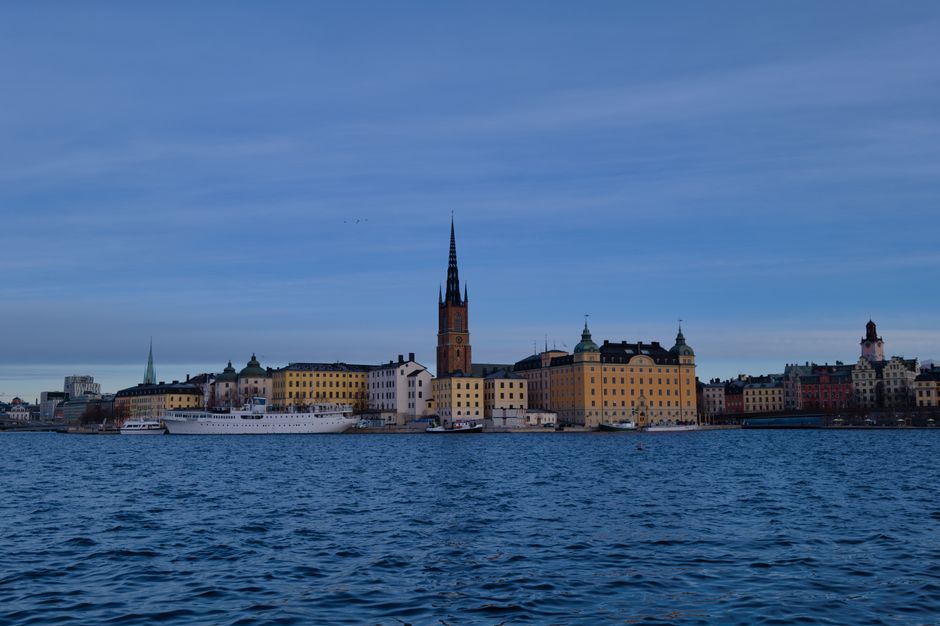
How can a first-time visitor explore Stockholm’s islands without missing the last ferry, packing for the wrong weather, or spending the whole day in transit? The answer is to choose one island per day, match each stop to the available boat timetable, and treat the archipelago as a collection of distinct landscapes rather than one large attraction.
More than 20,000 islands, skerries, and rocky outcrops spread east of Stockholm. Only a small number have regular passenger connections and useful visitor facilities. That makes route planning more important than trying to see as many islands as possible. For a first trip, Vaxholm works best as an easy introduction, Grinda adds beaches and trails, and Sandhamn or Utö provides a longer final day.
Which Stockholm Archipelago Route Fits a First Trip?
The strongest beginner route is Vaxholm, followed by Grinda, with Sandhamn or Utö added only when the timetable allows a long day. This order moves from simple to remote and gives the trip a safe starting point.
Compare the main beginner islands
| Island | Best for | Time needed |
|---|---|---|
| Vaxholm | First island visit, cafés, swimming, small-town streets | Half day to one day |
| Grinda | Marked walks, forest, open rocks, simple beach stops | One full day or one night |
| Sandhamn | Harbour life, village lanes, sea views, longer walks | One full day |
| Utö | Long walks, cycling, old mining landscapes, overnight stays | One to two days |
Choose the right level of distance
Vaxholm is the clear winner for a short visit because several transport options connect it with the city and the town has more services than the smaller islands. Grinda is the best choice for a classic nature day. Sandhamn suits visitors who want a lively harbour and a more open-sea feeling. Utö offers the greatest variety but also creates the highest risk of a tiring return journey.
Beginner verdict: choose Vaxholm for a half-day, Grinda for a full day, and only select Utö when the return connection leaves a generous buffer.
How to Build a Three-Day Archipelago Itinerary
Do not plan several islands in one day unless the timetable shows a direct connection and a realistic return. Boats may run less often than expected, and a missed departure can turn a short transfer into a long wait.
- Day 1: Start with Vaxholm. Take a morning departure, walk through the town, follow the waterfront, and leave time for a swim or a quiet shoreline stop. Keep the first day flexible so ferry delays do not affect the rest of the trip.
- Day 2: Spend the full day on Grinda. Arrive before midday, walk across the island rather than staying beside the landing point, and divide the day between forest paths, exposed rock, and a sheltered swimming area. Check the return boat before starting a longer walk.
- Day 3: Pick Sandhamn or Utö. Choose Sandhamn for a compact village, harbour views, and a manageable day trip. Choose Utö for a slower day with longer trails and more distance between stops. Avoid combining both on a first visit.
- Check the timetable in both directions. Save the outbound and return departures before leaving accommodation. Check the date, landing point, travel time, and any required change. Summer, weekends, and shoulder seasons can have different patterns.
- Keep one backup plan. If strong wind delays the longest route, replace Utö with Vaxholm or another island with more frequent connections. A nearby island with a reliable return is better than a remote island that leaves the day controlled by one boat.
This itinerary works because it increases distance gradually. It also protects the first day from common planning errors. The clear recommendation is to use the third day for the longest route only after the first two days confirm that the weather and ferry system are working in the expected way.
What the Stockholm Archipelago Feels Like Beyond the Timetable
The archipelago is not a theme park with one central viewpoint. It is a working coastal region where boats carry residents, supplies, schoolchildren, and visitors. Some islands have marked trails, toilets, cafés, and guest accommodation. Others have little beyond a landing jetty, pine trees, exposed granite, and private homes. That contrast explains why a short boat trip can feel like a major change of place.
Expect granite, pine forest, and open water
The landscape changes in small steps. Near the city, islands often have houses, docks, and paved paths. Farther out, the shoreline becomes rougher and the paths become narrow, muddy, or uneven. Smooth granite slabs can be slippery after rain, while low vegetation offers little shade on a sunny day. Shoes with a firm sole matter more than fashionable clothing.
Plan around weather, not just sunshine
A warm forecast in central Stockholm does not guarantee calm conditions at sea. Wind can make an exposed island feel cold, and rain can turn rock surfaces slick. Pack a light waterproof layer, extra water, food for at least one delayed departure, and a dry layer for the ride back. In spring and autumn, darkness arrives earlier and services may be reduced. From late June through August, daylight makes longer walks easier, but popular departures can fill quickly.
Know what disappears outside the main season
Small cafés, guesthouses, public toilets, and activity rentals may operate only during the warmer months. Outside peak summer, a remote island can offer beautiful quiet but fewer ways to solve a mistake. The best choice for an off-season day is an island with a town, regular transport, and indoor shelter nearby.
Practical verdict: treat every island as a semi-rural destination. Bring basic supplies, leave extra time, and choose services over remoteness when the weather looks uncertain.
Can Beginners Manage the Ferries and Island Trails?
How early should passengers arrive?
Arrive 20 to 30 minutes before a planned departure, and arrive earlier on busy summer mornings. Keep the route name and island landing point visible when boarding because several boats may use nearby piers. Do not assume that a boat returning to Stockholm stops at the same landing point used on the outward journey.
Do the boats always need reservations?
Different departures follow different rules. Some allow open boarding, while others offer or require advance booking. Check the official timetable for the exact sailing, then confirm the boarding instructions on the day. A reservation does not remove the need to arrive early, especially when luggage, bicycles, or mobility equipment are involved.
Are the walks suitable for everyone?
Short waterfront walks are usually manageable, but many natural paths cross rock, roots, mud, and small changes in height. Vaxholm offers the easiest mix of town streets and shoreline access. Grinda is manageable for active visitors who can walk for several hours. Utö requires more stamina because points of interest are spread across the island. The safest verdict for a first trip is to choose Vaxholm or Grinda when walking ability, weather, or daylight is limited.
Mistakes That Ruin a First Archipelago Trip
The biggest mistake is treating ferry travel like city public transport. The water creates real gaps between departures, and a missed connection can remove half a day from the plan.
- Trying to visit too many islands: limit the plan to one main island each day. Two stops are possible only when the connections are direct and frequent.
- Ignoring the landing point: an island can have more than one dock. Match the trail and return boat to the correct landing point before walking away from the harbour.
- Leaving the return trip until evening: check the last practical departure before starting a long trail. Keep enough time to walk back slowly, find the dock, and handle a delay.
- Relying on cafés for every meal: opening hours can change with the season, weather, and day of the week. Carry water and food for a delayed boat.
- Wearing smooth city shoes: wet granite and muddy paths punish thin soles. Choose footwear that grips and dries reasonably fast.
- Assuming every island is public: many shorelines and houses are private. Stay on marked paths, use signed swimming areas, and keep noise low near homes.
- Choosing the most remote island automatically: distance is not the same as quality. A shorter route with time to explore is the better trip when the forecast is unstable.
For a first visit, the winning formula is simple: Vaxholm for confidence, Grinda for nature, and one longer island only when the timetable, weather, and walking time all line up.