Quebec City in winter works best as a walking trip with short outdoor bursts, warm indoor stops, and one solid base layer under everything. The city is cold, but the bigger challenge is moving between snowy streets, heated cafés, museums, and restaurants without spending the whole day damp or tired.
For a first visit in 2026, plan three nights. Stay near Old Quebec, build each day around one main outdoor area, and leave room for slow meals. That gives you the city’s best winter character without turning the trip into an endurance test.
What should you see in Quebec City during winter?
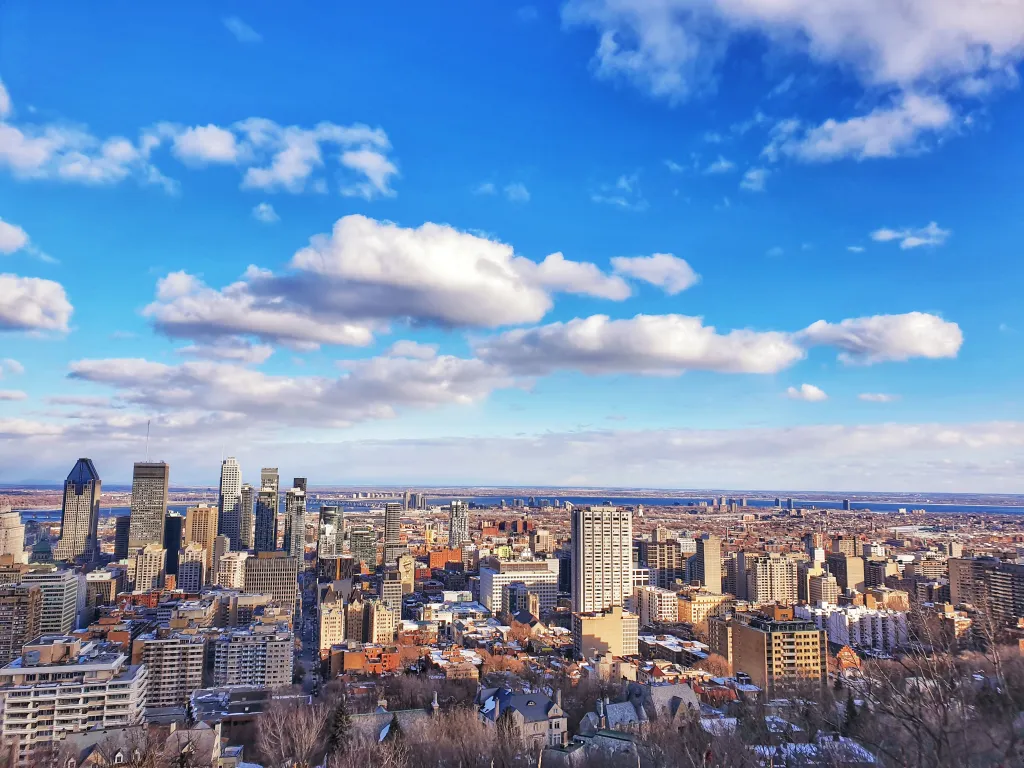
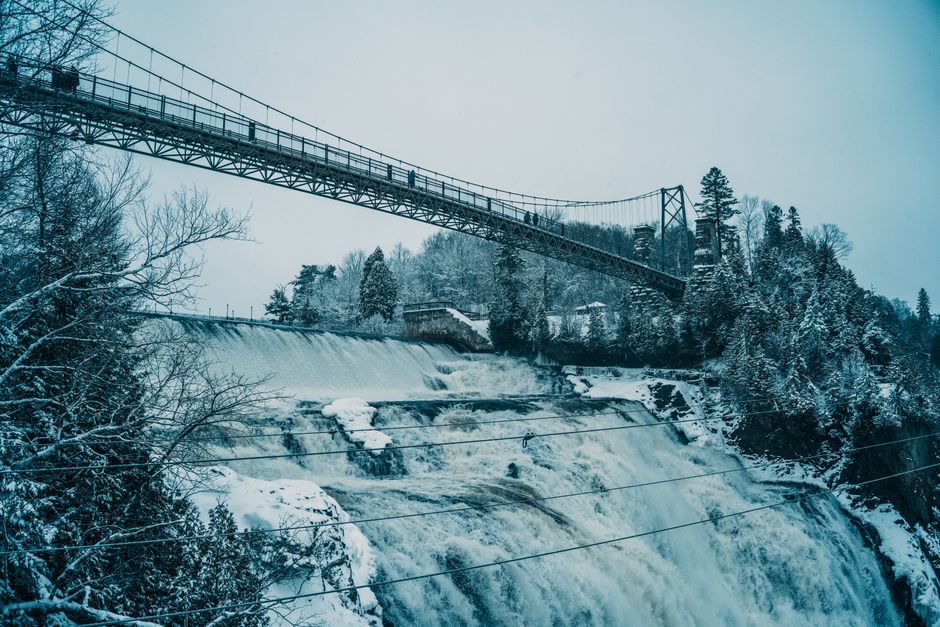
The strongest winter sightseeing route stays compact. Old Quebec rewards wandering, while Montmorency Falls gives you a dramatic landscape outside the historic center. You do not need to cross the city several times each day. That wastes daylight and makes the cold feel worse.
The most useful winter stops
| Stop | Suggested time | What to do | Winter detail |
|---|---|---|---|
| Dufferin Terrace | 8:00–9:30 | Walk above the St. Lawrence River and see Château Frontenac from the terrace. | Go early for quieter views and packed snow before the walkway gets busy. |
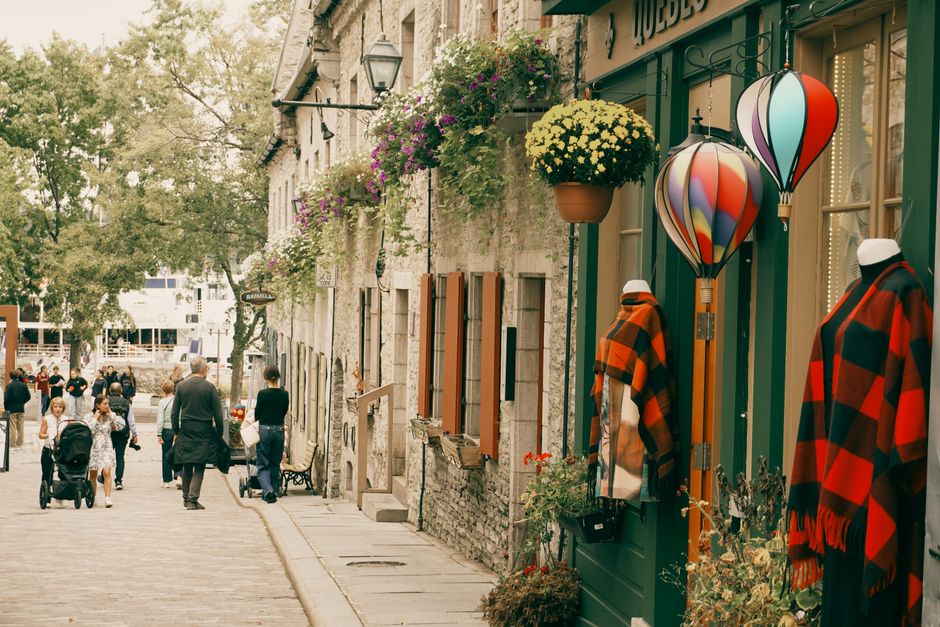
| Place Royale and Petit-Champlain | 9:45–12:00 | Explore the stone streets, small shops, murals, and lower-town architecture. | Wear boots with grip; sloped streets can become slick after freezing rain. |
| Montmorency Falls | 13:00–15:00 | See the frozen waterfall and walk to the viewpoints if conditions allow. | Wind near the falls can feel much colder than downtown. |
| Parliament Hill and Grande Allée | 15:30–17:00 | Pair a short outdoor walk with a museum, café, or early dinner. | Use this as a flexible afternoon plan when snow or wind increases. |
The route I recommend
Start with Dufferin Terrace, then walk down toward Petit-Champlain and Place Royale. Stop for lunch before your hands and feet lose comfort. Use the afternoon for a museum or Montmorency Falls, not both on the same day unless you are comfortable with long transfers.
Reserve one evening for the old city after dark. Snow softens street noise, warm lights reflect off the stone buildings, and the narrow lanes feel more atmospheric than they do in summer. Keep that walk short and finish indoors. Winter sightseeing is better when you stop while you are still enjoying it.
What food should you try in Quebec City in winter?
Quebec City’s winter food is built for cold weather: rich sauces, baked dishes, soup, cheese, maple, and slow meals. The best strategy is to eat one traditional dish each day, then balance it with lighter breakfasts and simple lunches. Trying every heavy specialty in one sitting is the fastest way to feel sluggish.
What is the essential Quebec dish?
Start with tourtière, a seasoned meat pie traditionally associated with Quebec. Recipes vary, so the filling may include pork, beef, or a mixture of meats with warm spices. Order it with a salad, pickled vegetables, or soup rather than another rich side.
Which sweets belong on the list?
Try maple taffy on snow if you find it at a winter market or seasonal event. The texture is soft and chewy, and the flavor is cleaner than many maple desserts. Sugar pie is another classic, but a small slice is enough after a full meal. For a casual afternoon stop, hot chocolate and a fresh pastry make more sense than another large entrée.
How can you avoid a tourist-only food plan?
Book dinner, but keep lunch flexible. A restaurant that serves a busy local lunch crowd is often a better value than a menu designed only for visitors. Look for pea soup, poutine, cider, local cheese, and buckwheat crêpes, then ask what the kitchen serves most often in winter.
For poutine, judge the portion before ordering extras. The dish is fries, cheese curds, and gravy; toppings can turn it into a very heavy meal. My food verdict is simple: choose one traditional comfort dish, one maple dessert, and one lighter meal each day. That gives you a taste of Quebec without making every meal feel like a challenge.
What should you pack for Quebec City in winter?
Pack for standing still, wind, slush, and repeated transitions between freezing streets and overheated interiors. A good layering system matters more than one oversized coat because you need to adjust throughout the day.
- Start with a wool or synthetic base layer. The Smartwool Classic Thermal Merino 250 uses 250 g/m² merino wool and works well for long walking days. Pack two tops so one can dry overnight if snow reaches your cuffs.
- Add an insulating middle layer. The Patagonia Nano Puff uses 60 g PrimaLoft Gold Insulation Eco. It packs small and works under a shell, but it is not a replacement for a windproof outer layer during long outdoor stops.
- Choose boots for grip, not appearance. The Baffin Impact is built for severe cold and carries a marketed rating down to -100°C, far beyond what most city visitors need. For normal sightseeing, waterproof insulated boots with a real tread are the better balance of comfort and size.
- Bring traction for icy slopes. Kahtoola MICROspikes use 12 stainless-steel spikes and fit over compatible footwear. They are useful after freezing rain or on packed trails near the falls. They are not meant for polished indoor floors, so remove them before entering shops or museums.
- Use a small day bag. A 20-liter bag such as the Osprey Daylite Plus holds gloves, a water bottle, snacks, spare socks, and a compact umbrella without becoming bulky on crowded streets.
Small items that prevent big problems
Pack two pairs of gloves, not one. Thin liner gloves let you use your phone, while insulated mittens protect your hands during longer walks. Add wool socks, lip balm, sunglasses for reflected snow, and hand warmers if you run cold.
What not to pack
Skip cotton jeans as your only walking trousers. They absorb moisture and dry slowly. Avoid brand-new boots, thin fashion sneakers, and a suitcase full of bulky sweaters. One reliable coat, two base layers, and a warm middle layer cover more situations than five casual outfits.
How do you stay comfortable in Quebec City’s cold?
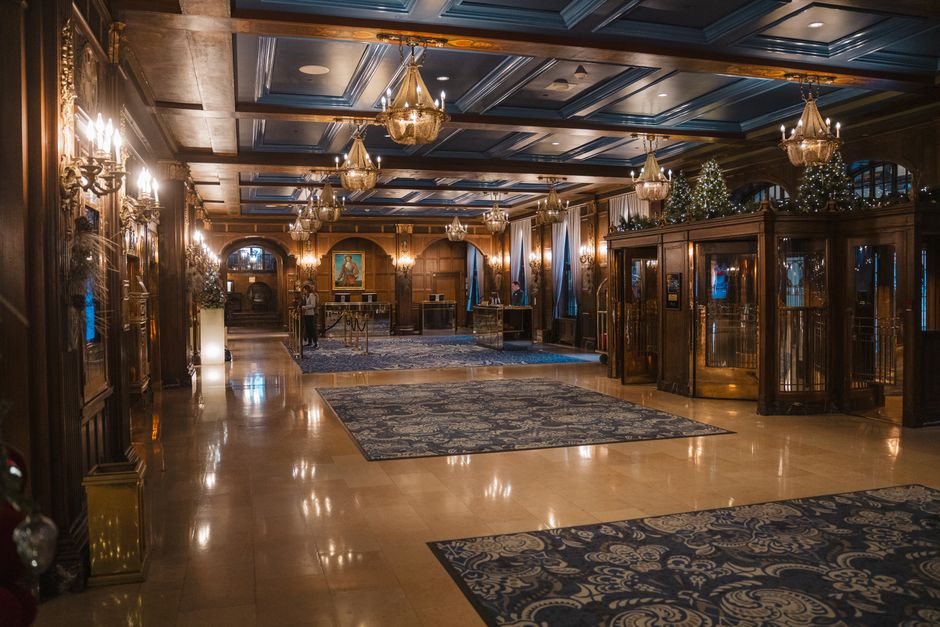
The basic problem is not simply low temperature. It is the cycle of walking, sweating, stopping, cooling down, and stepping into heated rooms. Your clothes must release heat during movement and hold warmth during pauses. That is why several moderate layers work better than one thick layer that you cannot adjust.
Use a three-stage winter day
Begin outdoors while your clothes are dry and your energy is high. After 60 to 90 minutes, go inside for breakfast, coffee, or a museum visit. Make the next outdoor block shorter if the wind rises. This schedule protects your feet and hands before they become numb, and it gives you enough indoor time to dry damp cuffs and socks.
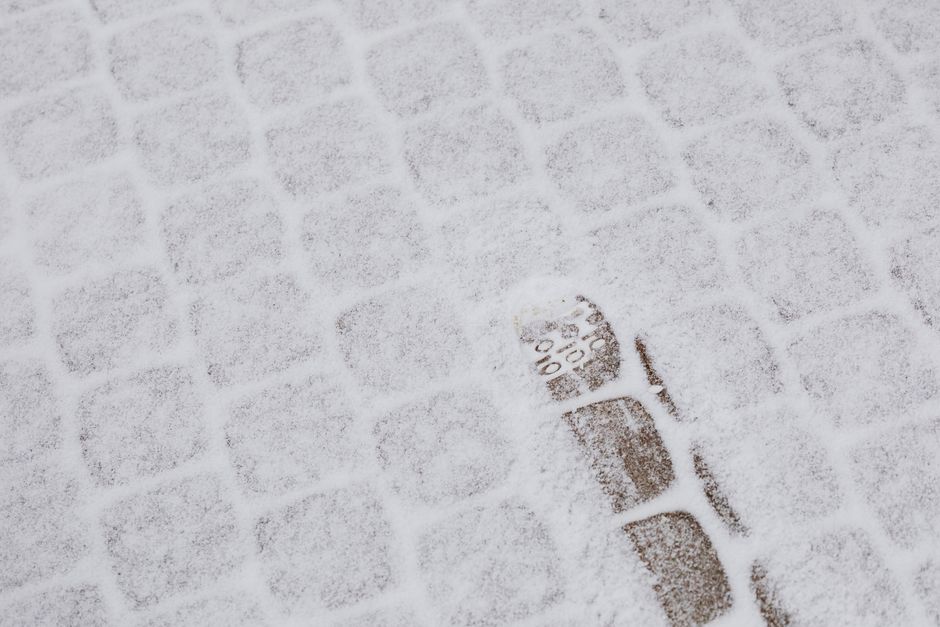
Keep your phone in an inside pocket because cold drains batteries quickly. Carry water even when you do not feel thirsty; dry winter air and heated rooms can leave you dehydrated. Walk slowly on slopes, especially around Petit-Champlain, where smooth stone and packed snow can create uneven footing.
Mistakes that ruin otherwise good trips
- Planning six hours outside with no indoor stop.
- Wearing tight boots that leave no room for thick socks.
- Waiting until your gloves are wet before changing them.
- Visiting Montmorency Falls in high wind without a backup plan.
- Booking a hotel far from Old Quebec to save a little money, then paying for repeated transport in poor weather.
Do not buy extreme expedition gear for a short city break unless you already use it outdoors. It adds cost and bulk without solving the main problem. For most travelers, good boots, a proper base layer, wind protection, and a flexible schedule matter more than the warmest coat on the market.
What is the best three-day winter plan for Quebec City?
My pick is a three-night itinerary based near Old Quebec: spend the first morning on Dufferin Terrace and in Petit-Champlain, use the second day for Montmorency Falls plus a warm indoor afternoon, and reserve the final day for food, museums, Parliament Hill, and a relaxed evening walk; this plan gives you the city’s most recognizable sights without forcing every hour outdoors.
The strongest version of the trip treats weather as part of the schedule, not an obstacle to defeat: if snow is light, take the longer route through the old city, but if wind or freezing rain arrives, move the outdoor stop earlier, shorten it, and put the museum or restaurant first; that choice protects the experience and prevents one bad afternoon from affecting the rest of the visit.
Quebec City is not a destination to rush through in winter, and that is its advantage. With the right layers, a warm meal waiting nearby, and enough time between outdoor stops, the cold becomes part of the setting rather than the main story. The city’s winter appeal should keep growing as travelers look for historic places where weather changes the mood instead of closing the door.