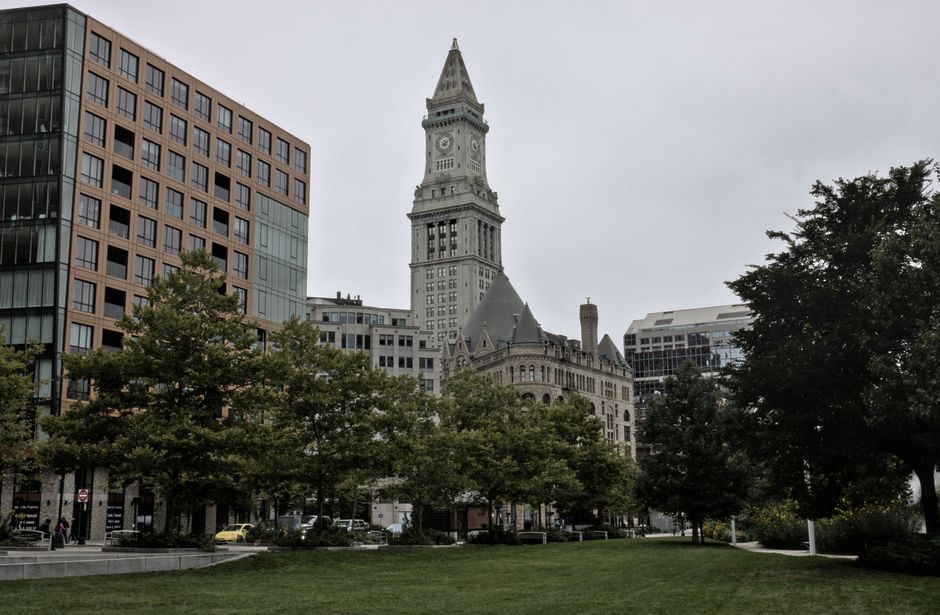
Boston in two days works best when the Freedom Trail anchors day one and the city’s parks, neighborhoods, museums, and waterfront fill day two. Do not try to see every historic building, every museum, and every harbor view. That plan creates long walks, rushed meals, and a camera full of places that barely registered.
The better approach is simple: follow one compact historic route on the first day, then explore Boston at a slower pace on the second. The city is walkable, but its streets are uneven, its historic sites have changing opening times, and several popular areas sit farther apart than a map suggests.
This itinerary keeps the main sights close together, leaves room for breaks, and shows where a two-day visit needs firm choices.
Day One: Walk the Freedom Trail Without Rushing
The best first day starts in Boston Common and ends in the North End. Walk the trail from south to north instead of jumping between disconnected sights. This gives the day a clear direction and puts the busiest historic stops before the afternoon crowds build.
Start with Boston Common and the central trail
Begin around 8:30 in the morning at Boston Common. The park gives a quick sense of the city’s scale before the historic route narrows into busy downtown streets. From there, follow the marked path toward the Massachusetts State House, Park Street Church, Granary Burying Ground, King’s Chapel, and the Old South Meeting House.
The central section is compact, but each stop needs a different amount of time. A graveyard may take ten minutes. An interior tour can take an hour. Do not enter every site simply because it sits on the route. Choose two or three interiors and treat the others as exterior stops. That is the difference between a useful history walk and a checklist.
Use the middle of the trail for context
Continue toward the Old State House, the site associated with major events leading to the American Revolution, then move toward Faneuil Hall and Quincy Market. This is a good place for lunch, but it is also one of the most crowded parts of the route. A quick meal works better than a long sit-down break if the rest of the trail matters.
The trail is about 2.5 miles from end to end, but the real distance is longer because of indoor visits, photographs, detours, and time spent finding entrances. Allow four to five hours for the central route rather than treating the trail length as a simple walking calculation.
Finish in the North End
In the afternoon, continue to the Paul Revere House, Old North Church, and Copp’s Hill Burying Ground. The North End feels different from the broad civic spaces near Boston Common. Streets become tighter, buildings sit closer together, and the route feels more like a neighborhood than an open-air museum.
End the historic walk near the waterfront or at Copp’s Hill. The Bunker Hill Monument is a worthwhile extension for visitors with strong legs and extra daylight, but it belongs in a separate Charlestown detour. Adding it automatically can turn a good day into a forced march.
Reserve the evening for dinner in the North End or a harbor walk. The clear verdict: finish the Freedom Trail before adding another major attraction. The trail already provides enough history for one day.
The Best Two-Day Schedule, at a Glance
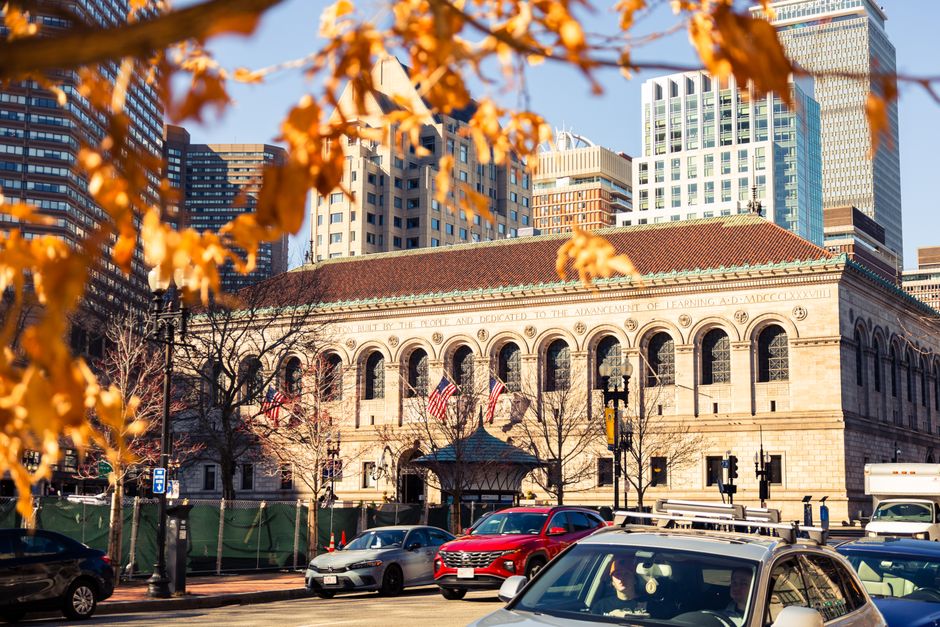
A two-day Boston plan needs a timetable because the city’s attractions pull in different directions. The schedule below keeps each day in one main zone and protects time for food, weather delays, and slower walking.
| Time | Day One: Historic Boston | Day Two: Parks, Culture, and Water |
|---|---|---|
| 8:30–10:30 | Boston Common, State House exterior, Park Street Church, Granary Burying Ground | Public Garden, Beacon Hill streets, and the Esplanade |
| 10:30–12:30 | King’s Chapel, Old South Meeting House, and nearby historic streets | Choose one museum or cultural attraction |
| 12:30–2:00 | Lunch near the central market district | Lunch near the museum district, Back Bay, or the waterfront |
| 2:00–4:30 | Old State House, Faneuil Hall, Paul Revere House, and Old North Church | Continue the museum visit or walk toward the harbor |
| 4:30–6:30 | Copp’s Hill, North End streets, and waterfront views | Seaport, harbor paths, or a second neighborhood walk |
| Evening | Dinner in the North End or near the waterfront | Choose the area that was skipped on day one |
This is a framework, not a promise that every interior will fit perfectly. Historic buildings may open later, close for events, or require timed entry. Keep the outdoor route fixed and move the indoor stop when needed.
The strongest choice for most visitors is one museum on day two, not three. Boston rewards attention. A single focused visit followed by a park or harbor walk feels fuller than racing through several large buildings.
Day Two: Choose the Museum-and-Waterfront Route
Day two should not copy day one. After a dense historic walk, choose open space, art, science, or the harbor. The most balanced route begins in the central parks and then moves toward one cultural stop.
- Start at the Public Garden. Walk the paths early, before the central area becomes busy. The garden is compact, so forty-five minutes is enough for the pond, bridges, statues, and surrounding views.
- Walk through Beacon Hill. Follow the streets around Louisburg Square and Acorn Street, then continue toward Charles Street. These streets are best treated as a quiet neighborhood walk, not as a race between photo stops. Keep voices low and avoid blocking doorways.
- Continue to the Esplanade. The riverside path gives the itinerary breathing room. Walk as far as energy allows, then turn back. There is no reward for covering the entire riverfront.
- Pick one major cultural stop. The Museum of Fine Arts suits visitors who want paintings, sculpture, and a longer indoor visit. The Museum of Science suits families and visitors who prefer hands-on exhibits. The New England Aquarium works best for travelers who want marine life and a compact waterfront location. Choose one.
- Use the afternoon for a second area, not a second marathon. After the museum, visit the Seaport for modern waterfront architecture or return downtown for streets that were missed on day one. A short harbor walk is enough if rain or tired legs have changed the plan.
The strongest day-two decision is to match the cultural stop to the group’s actual energy. A museum visit can consume three hours before lunch, especially when special exhibitions are included. Build around that reality. Do not place a full museum, a long harbor walk, and Charlestown in the same afternoon.
For a quieter alternative, skip the museum and spend the day in Beacon Hill, the Esplanade, Back Bay, and the waterfront. That version suits visitors who dislike indoor attractions or have already seen major museums in other cities. Boston’s architecture and public spaces carry the day without extra tickets or a packed schedule.
What Can Go Wrong on a Two-Day Boston Trip?
Is the entire Freedom Trail realistic in one day?
Yes, the full walking route is realistic. Entering every site is not. The trail passes through sixteen historic locations, and interior visits can quickly consume the day. Select the buildings that match the group’s interests, then keep moving. A visitor focused on revolutionary history may spend more time at meeting halls and government buildings. A visitor focused on architecture may prefer churches, burial grounds, and older residential streets.
Should the trail be walked in both directions?
No. Walking back and forth wastes time. Start in Boston Common, continue north, and stop when the day’s energy runs out. If Charlestown matters, use public transportation or a separate transfer rather than retracing the entire route.
What mistake causes the most discomfort?
Weak footwear causes more trouble than the distance itself. Boston has brick sidewalks, uneven paving, steep sections, and long stretches on hard ground. Choose shoes that already feel comfortable and allow room for a full day of walking. New shoes belong at home.
What happens if the weather changes?
Rain affects the outdoor route more than the indoor attractions. Keep the central historic buildings for the wettest part of the day and move the park walk to a clearer morning. In hot weather, start early, take a longer indoor lunch break, and avoid treating every outdoor stop as mandatory. Boston weather can shift quickly near the water, so a light outer layer earns its space in the day bag.
Which opening-time mistake should be avoided?
Do not build the first hour around a single historic interior without checking its current schedule. Opening days and tour times can change, especially during school holidays, public events, and seasonal periods. The outdoor route remains useful even when one building is closed. Treat interiors as bonuses within the walking plan, not as the only reason to visit a street.
The practical verdict is firm: leave one unassigned hour every day. That hour absorbs a delayed meal, a closed building, a rain shower, or the simple discovery that a neighborhood deserves more time.