The common mistake is treating Bangkok as a checklist of famous sights. That usually creates long crossings, sweaty queues and a final evening spent recovering in a room instead of exploring the city. Bangkok is too spread out for that approach, but three days are enough when each day stays within a sensible cluster of neighborhoods.
This route combines the old city, the Chao Phraya riverside, busy markets and the quieter canal districts. It also leaves room for weather delays, temple closures, slow meals and the simple pleasure of watching daily life unfold. The best result is not the largest number of attractions. It is a trip with a clear rhythm: historic Bangkok first, market Bangkok second, and water-based Bangkok on the final day.
How to Plan Bangkok in Three Days Without Crossing the City
The strongest plan keeps each day focused on one side of the river or one connected group of neighborhoods. A route that looks efficient on a phone may feel exhausting on the ground.
Build each day around one geographic zone
Begin with the old city because the major temples sit close together and make the clearest introduction to Bangkok. The second day works better around markets and residential streets. The third day should move at a slower pace through canals, museums or a local neighborhood.
The schedule below gives enough structure to prevent wasted travel while keeping the afternoons flexible.
| Day | Morning focus | Afternoon focus | Evening focus |
|---|---|---|---|
| Day one | Grand Palace area and Wat Pho | Cross the river to Wat Arun | Riverside meal and an early finish |
| Day two | Fresh market or weekend market | Street food and neighborhood walks | Local night market or quiet café street |
| Day three | Canal boat or canal-side walk | Museum, park or slower district exploration | Return to a favorite area |
Leave space for heat and delays
Plan the most exposed walking before noon. Bangkok heat can make a two-kilometer walk feel much longer, and sudden rain can slow every outdoor plan. A useful daily shape is an early start, a shaded lunch, a slower indoor or riverside afternoon, and an evening outing after the worst heat has passed.
Do not schedule a fixed airport transfer immediately after a canal trip or a market visit. Boats, road traffic and weather can all change the timing. The clear verdict is simple: neighborhood-based planning beats attraction collecting for a three-day Bangkok visit.
Day One: Old Bangkok Temples and the Riverside
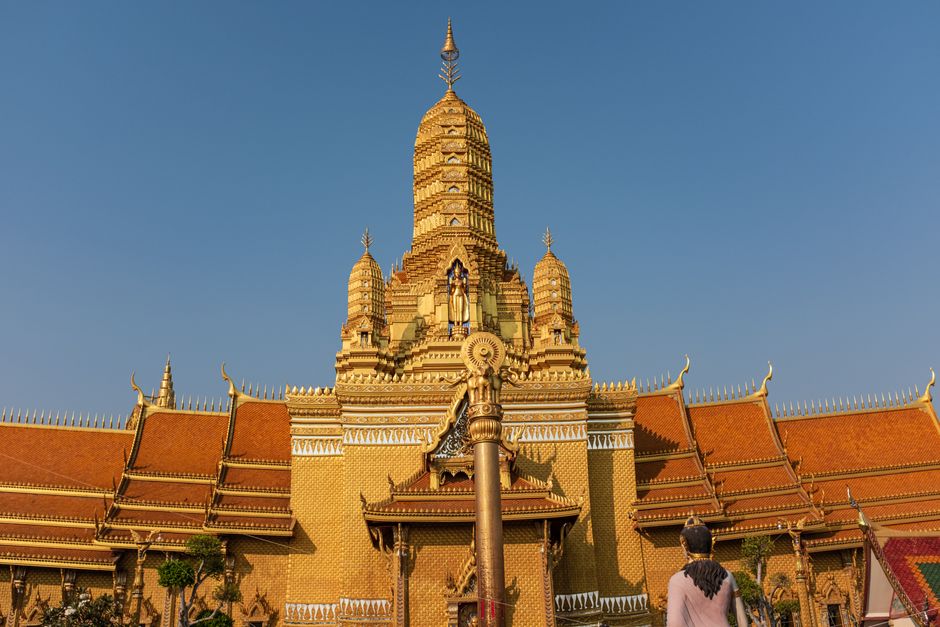
Day one should focus on Bangkok’s historic center. Start early, dress with temple rules in mind and visit the most important sites before the day becomes crowded and hot. The route is compact, but it still requires patience because the Grand Palace area has security checks, large visitor flows and exposed courtyards.
- Begin near the Grand Palace. Arriving early gives more room to see the outer courtyards and understand the scale of the royal complex before the main crowds build. Clothing should cover shoulders and knees. Lightweight trousers or a long skirt are more practical than trying to improvise with a scarf.
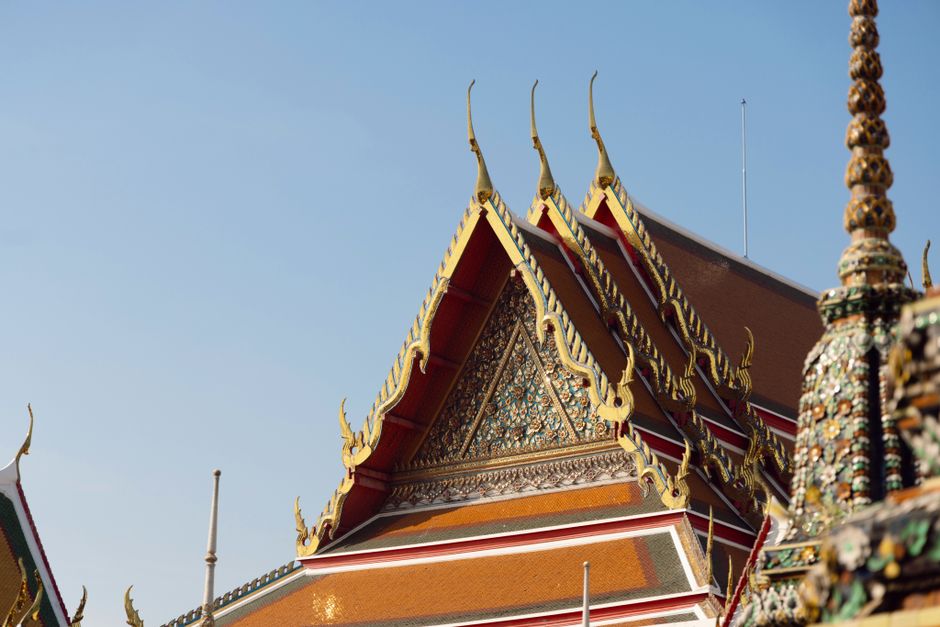
- Continue to Wat Pho. The temple complex is close enough to reach on foot, but the streets can be confusing around gates and traffic. Take time to look beyond the reclining Buddha. The courtyards, murals, stupas and small shrines explain more about the site than a quick photograph does.
- Pause in the middle of the day. Choose a shaded meal stop or return to an indoor space. The goal is to protect energy for the afternoon rather than force every sight into one continuous walk.
- Cross to Wat Arun later in the day. A short river crossing changes the view completely. From the temple grounds, the towers, decorative surfaces and river traffic create a strong sense of Bangkok as a city built around water.
- Finish beside the river. Use the evening for a relaxed meal and views of the opposite bank. There is no need to add a distant nightlife district after a full day in the sun.
This sequence works because the sights are connected by geography and history. It also avoids the common failure of visiting Wat Arun first, crossing back and forth several times, then reaching the old city at the hottest part of the day. Keep the first day focused. The verdict: the Grand Palace, Wat Pho and Wat Arun provide the most coherent introduction to Bangkok, and adding more major monuments usually reduces the quality of the visit.
Day Three: Canals, Local Neighborhoods and a Quieter Finish
Day three should slow down. Bangkok’s canals show why the city earned its old nickname as the Venice of the East, but the experience is not a theme-park ride. Canal edges can be rough, boat routes can be noisy and the view changes from polished buildings to family homes, workshops and tangled utility lines within minutes. That contrast is exactly why the canal districts deserve a place in the itinerary.
Are the canals worth visiting?
Yes, especially for travelers who have already seen the major temples. A canal boat route can reveal narrow homes, small shrines, gardens and working waterways that do not appear on the usual sightseeing loop. Choose a route with a clear starting point and enough daylight. Avoid accepting vague offers from people who cannot explain the route, duration or meeting point.
How should the morning be organized?
Start with a canal ride or a walk near Khlong Bangkok Noi, depending on weather and comfort. Keep cameras and phones secure because spray and sudden movement are normal. Afterward, visit a museum or a quiet historic district rather than adding another large attraction. Bangkok National Museum, for example, can provide useful context for the buildings and religious art seen on the first day, but check opening days before relying on it.
What makes a good final afternoon?
Choose one neighborhood with a clear character and explore it slowly. Talat Noi suits old lanes, street art and riverside history. Bang Rak works for food, old commercial buildings and easy connections. A park offers a better reset if the first two days involved constant walking. The right choice depends less on reputation than on energy levels, weather and the location of the evening meal.
Day three earns its place by showing a more ordinary side of Bangkok. The verdict is to protect the morning for water and the afternoon for one flexible district. A packed final day creates the highest risk of missing a boat, arriving during a closure or reaching the airport tired and frustrated.
What Bangkok’s Heat, Dress Rules and Transport Really Require
The best practical decision is to plan around comfort, not pride. Bangkok rewards early starts and punishes rigid schedules. Many disappointing visits come from small mistakes: wearing unsuitable clothing to a temple, treating every taxi delay as a crisis or assuming a short distance will be quick at rush hour.
Dress for temples and walking
Temples require respectful clothing that covers shoulders and knees. Thin, breathable fabric works better than heavy denim, and footwear that slips on and off easily saves time at places where shoes must be removed. A small scarf can help, but it should not be the only plan if a site requires fuller coverage.
Pick transport by situation
River boats are useful for riverside sights and can be more predictable than road traffic. The metro and elevated rail systems work well for districts they serve, but the historic center has fewer direct rail connections. Taxis and ride services can help with luggage or late-night movement, yet traffic may make a short route slow. Walking is excellent within a neighborhood and poor as a strategy for crossing the whole city in midday heat.
Which Three-Day Route Works Best for Different Travel Styles?
Is this route suitable for first-time visitors?
Yes. The first day covers the historic landmarks most visitors expect, while the second and third days prevent the trip from becoming a procession of monuments. It gives enough structure for a short visit without pretending that Bangkok can be understood from a checklist.
What if temples are not the main interest?
Keep the first morning for Wat Pho and one nearby historic site, then give more time to markets, food streets and canals. Bangkok’s identity does not depend on religious architecture alone. The city is just as legible through ferry piers, fresh markets, old shophouses and neighborhood meals.
What if rain changes the plan?
Move the canal ride or long outdoor walk to the clearest morning. Use a museum, covered market or long meal as the flexible middle section of the day. Do not cancel the entire itinerary because one attraction becomes impractical. Bangkok’s neighborhoods are close enough to support a change of emphasis.
What is the clearest final recommendation?
For a first visit, use day one for temples and the river, day two for a market and nearby streets, and day three for canals plus one slower neighborhood. This route offers the best balance of famous landmarks and lived-in city scenes. It also has the lowest risk of spending half the trip in traffic.
Three days in Bangkok will not cover everything, and that is useful information rather than a problem. The traveler who began with a crowded checklist can finish with a workable rhythm: early temples, a market with room to wander and canals that reveal the city beyond its postcard views. The resolution is simple. Bangkok becomes easier to enjoy when the itinerary leaves enough space for Bangkok itself.