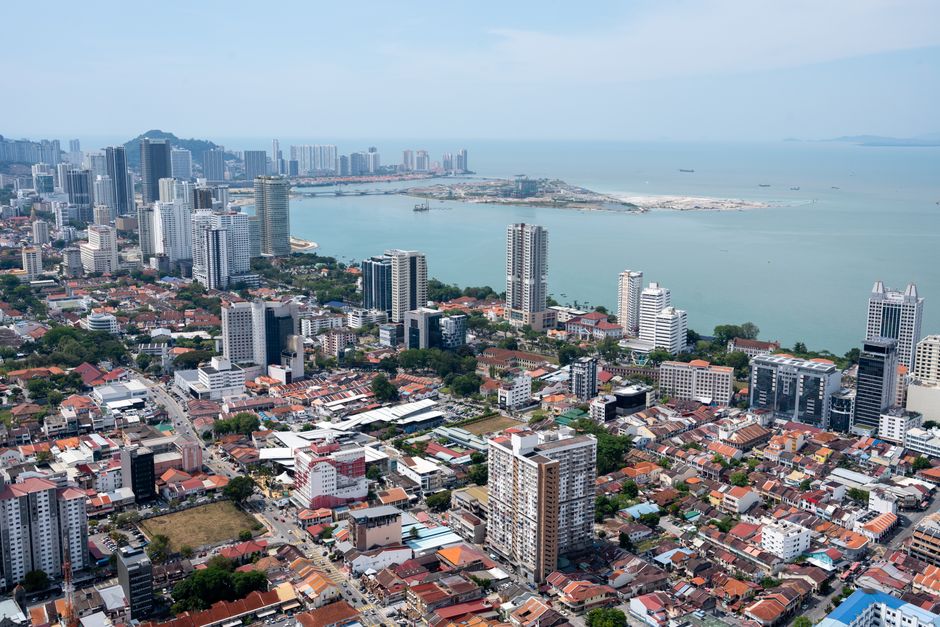
Trying to see George Town’s famous murals and eat well in one day can become a hot, crowded march between disconnected streets. The better approach is to match the route to the weather, group nearby sights, and treat food stops as part of the itinerary rather than an afterthought. This guide explains what to expect, where to walk, when to eat, and which mistakes can drain the fun from a Penang visit.
How to plan a George Town street-art walk
Start early and follow a compact route
The most comfortable street-art walk starts between 7:30 and 8:30 in the morning. Begin around the older central lanes, then move toward Armenian Street, Cannon Street, and the nearby clan-house districts. This keeps the first part of the walk relatively calm and leaves time for breakfast before the strongest midday heat. A practical route covers about 2 to 3 kilometres, but the distance feels longer because murals, shopfronts, temples, courtyards, and small lanes invite frequent stops.
Do not plan every minute. Allow 10 to 15 minutes for a popular mural, especially when other visitors are taking photographs. Some paintings have faded, been repainted, or become partly hidden by vehicles and market stalls. That is normal. George Town’s art is part of a working city, not a permanent outdoor gallery.
Use the murals as landmarks, not the whole purpose
The strongest walk combines public art with everyday streets. Look for five-foot ways, carved wooden doors, old shophouse facades, small temples, and covered walkways between the major mural areas. This gives the route texture and reduces disappointment if a much-shared painting looks different from its online photograph. The clear verdict is simple: choose a short, flexible loop over a checklist of every famous wall.
What to eat and when to eat it
Build the day around three smaller food stops
Penang food works best as a sequence of small meals. A single large restaurant visit can leave too little room for hawker dishes, snacks, and local drinks. Use this rhythm:
- Breakfast: Eat early with a noodle dish, rice porridge, toasted bread, or a filled pastry. Finish before the busiest walking period.
- Late morning: Stop for a cold drink or a small sweet dish after the first mural loop. This is a useful pause when the heat builds.
- Lunch: Choose one savoury dish from a busy food court or hawker centre. Look for places with steady local traffic and quick turnover.
- Afternoon: Keep the meal light. Fruit, shaved ice, or a small snack works better than another heavy plate before more walking.
- Dinner: Move beyond the central art streets if needed. Evening food areas can offer a wider choice and a more relaxed pace.
Order with local manners
Pointing, asking for a smaller portion, or ordering one dish at a time is usually easier than trying to explain a long order. Tell the vendor about dietary restrictions clearly, but do not assume that a familiar-looking dish contains no seafood, shellfish, pork, or fish sauce.
The best food strategy is variety, not status. A modest stall with a short menu and constant turnover can offer a more useful taste of Penang than a polished meal chosen only for its setting.
Which George Town areas fit different itineraries?
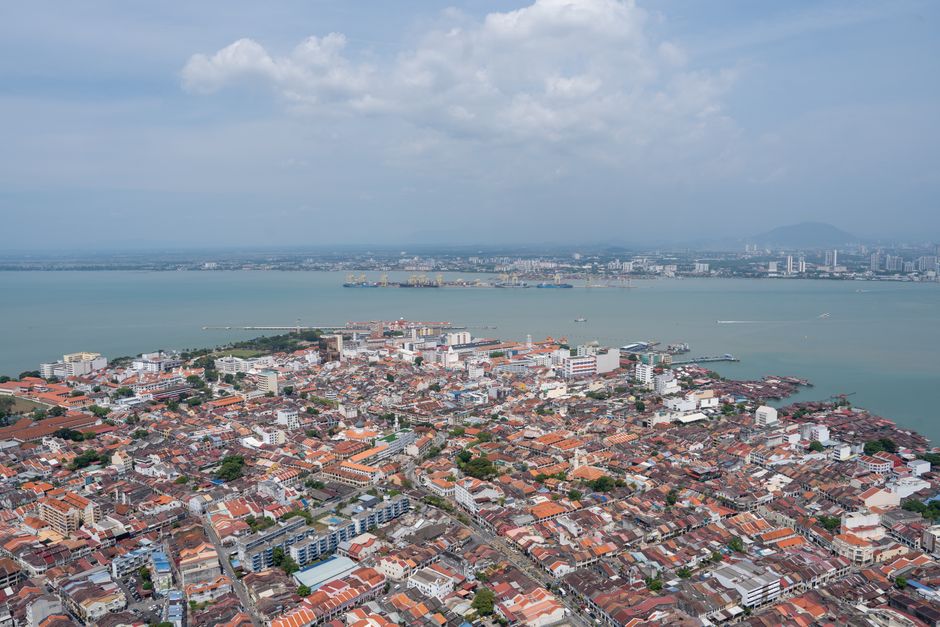
Compare the main districts before setting out
George Town is walkable in sections, but the experience changes from one district to another.
| Area | Best for | Suggested time | Main tradeoff |
|---|---|---|---|
| Armenian Street and nearby lanes | Murals, shophouses, small galleries, and central food stops | 2 to 3 hours | Busiest area, especially late morning |
| Clan Jetties | Waterfront views, timber homes, and a slower cultural stop | 45 to 75 minutes | Less connected to the main mural loop |
| Little India and the surrounding heritage streets | Temples, shopfronts, music, textiles, and strong food choices | 1.5 to 2 hours | More active traffic and narrow pavements |
| Fort Cornwallis and the eastern waterfront | Open space, history, and a break from tight lanes | 1 to 1.5 hours | Less street art density |
| Jelutong or outer food areas | Evening meals and a more local neighbourhood feel | 2 hours | Usually requires transport from central George Town |
Choose one anchor district
For a first visit with limited time, Armenian Street and the adjacent heritage lanes are the strongest anchor. Add the clan jetties only if the schedule allows a slower waterfront visit. Trying to cover every district on foot creates a rushed day with more road crossings and fewer meaningful stops.
For a two-day stay, divide the experience. Use the first morning for central murals and heritage streets. Reserve the second morning for the waterfront and a less crowded neighbourhood, then return to the central food areas after sunset.
What should visitors expect from George Town?
Is the street art easy to find?
Search maps can help locate a starting point, but the best discoveries often happen between marked attractions. Expect uneven pavements, parked scooters, open drains, and occasional construction. Comfortable shoes matter more than a carefully styled outfit.
Can the whole experience fit into one day?
Yes, if the goal is a focused introduction rather than complete coverage. A good one-day plan includes a morning art loop, a long lunch break, a short afternoon heritage walk, and an evening food stop. It should not attempt every mural, museum, religious building, and waterfront site. Pick two main areas and leave space for unplanned stops.
What happens during rain?
Rain can arrive quickly and turn a pleasant walking route into a slippery one. Covered five-foot ways offer partial shelter, but they do not protect every street. Keep the itinerary flexible and use a café, market, museum, or food court as a planned pause. The rain is not just an inconvenience; it changes the pace and makes a packed route a poor choice.
Why the best route follows the heat, not the map
The best George Town itinerary starts early, pauses at midday, and saves the liveliest food stop for evening. This is the most reliable choice because the art areas have limited shade, the pavement holds heat, and busy streets become harder to photograph as the morning progresses.
Morning for walking and photography
Use the first few hours for murals, architecture, and quiet lane details. Light is usually softer, shopfronts are easier to see, and traffic is less distracting. Walk in a loop instead of going back and forth between isolated attractions. Mark two or three food options nearby, then choose based on opening hours and crowd levels rather than forcing a particular dish.
Midday for shelter and a slower meal
Eat, rest, and explore an indoor heritage site or covered market. This break protects the second half of the day. Visitors who keep walking through the hottest period often lose interest before the evening, when George Town becomes more atmospheric and food activity increases.
That timing also leaves room for changes. A mural may be blocked, a lane may be closed, or a storm may arrive. A route with spare time handles these surprises better than a schedule built around exact photographs.
Common mistakes that weaken a Penang visit
Avoid these planning errors
- Trying to photograph every famous mural in one morning.
- Walking at midday without a planned indoor or shaded break.
- Choosing a food stop only because it appears in a social-media list.
- Ignoring traffic when crossing between heritage streets.
- Assuming every stall can handle dietary restrictions without a clear question.
- Expecting old buildings and murals to look exactly as they did in older photographs.
The clearest itinerary verdict
For a first visit, the strongest plan is a compact morning through the central heritage lanes, a substantial lunch and rest period, then a shorter afternoon route toward the waterfront or a quieter district. Add the clan jetties when cultural context and waterside views matter more than collecting murals. Choose an outer neighbourhood in the evening when food is the main goal.
George Town rewards attention more than speed.