Most travelers either blow their entire trip budget in Kyoto within three days or miss half the city because they tried to do it on $30 a day. Neither works. The real sweet spot — comfortable ryokan stays, good meals, temple entry fees, and one splurge experience — lands around $120–$150 per person per day in 2026. That’s mid-range. And it gets you everything worth having without the financial hangover.
This itinerary assumes you land at Kansai International Airport (KIX) on Day 1 morning and leaves your evenings flexible. It covers the non-negotiables (Fushimi Inari, Kinkaku-ji, Arashiyama) and cuts the tourist traps that waste time and yen. Prices reflect 2026 rates including the recent consumption tax adjustment. Public transport costs are based on the ICOCA card system.
Day 1: Arrival, Orientation, and a Quiet Evening in Higashiyama
You land at KIX. Don’t rush. The Haruka express train costs ¥3,200 ($21) and gets you to Kyoto Station in 75 minutes. The slower Nankai line costs ¥1,450 but takes 90 minutes and requires a transfer. Pay the extra $8. Your legs will thank you on Day 4.
Check into a mid-range hotel near Higashiyama — the Solaria Nishitetsu Hotel Kyoto Premier (doubles from ¥18,000/$120) or Hotel Gracery Kyoto Sanjo (doubles from ¥15,000/$100). Both sit within walking distance of the Philosopher’s Path and Kiyomizu-dera. Skip the Kyoto Station area unless you like endless underground malls and zero charm.
Drop bags. Walk to Kiyomizu-dera at 4:30 PM. The crowds thin after 4 PM. Entry costs ¥500 ($3.30). The wooden stage overlooking the city at sunset justifies the jet lag. From there, walk down Ninenzaka and Sannenzaka slopes — stone-paved streets lined with machiya townhouses. Most shops close at 5:30, but that’s the point. Fewer people, better photos.
Dinner at Omen Kodai-ji (udon noodles, ¥1,800/$12). No reservation needed on a Monday or Tuesday. Walk back through Maruyama Park. Bed by 9 PM.
Money saved on Day 1
- Skip the Kyoto Tower observation deck (¥800, not worth it)
- Skip the rental kimono experience on arrival day (¥5,000+ and you’ll be too tired to enjoy it)
- Buy bottled water at FamilyMart (¥110) instead of vending machines (¥160)
Day 2: Fushimi Inari Before Dawn and the Art of the Early Start
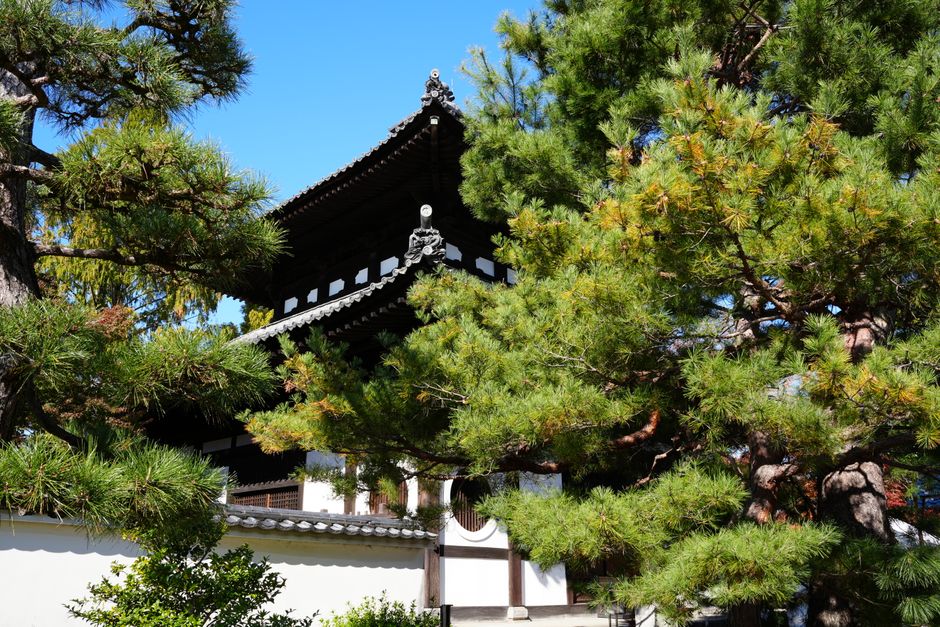
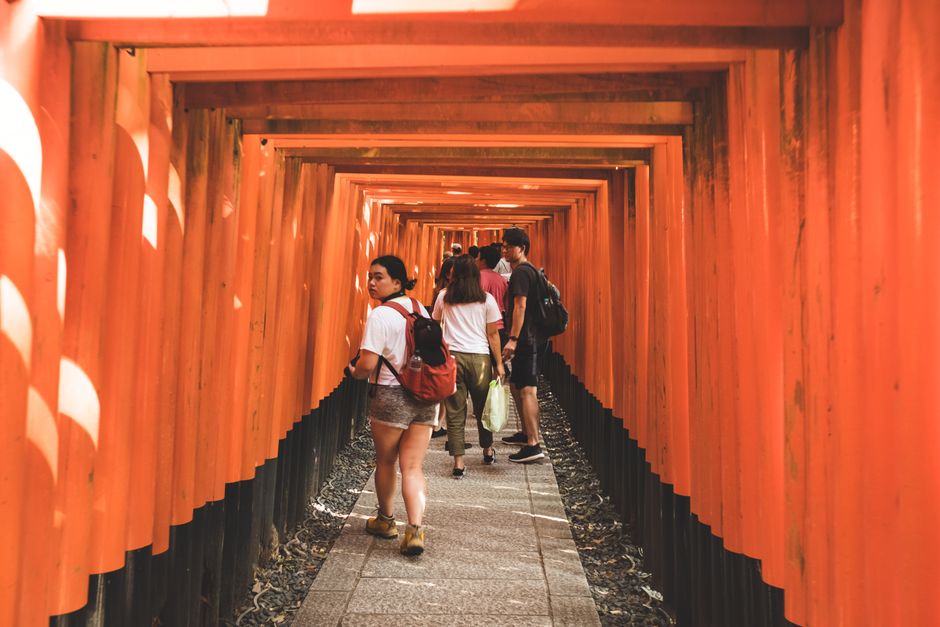
Set an alarm for 5:30 AM. Yes, really. Fushimi Inari Taisha at 6:15 AM has maybe 40 people on the path. At 10 AM, it’s a shuffling line of 2,000 tourists. The choice is yours.
Take the JR Nara line from Kyoto Station to Inari Station (¥150, 5 minutes). Walk through the first set of vermillion torii gates. Most people stop after 20 minutes. Keep going. The crowds drop by 80% once you pass the first kilometer. The summit takes 2 hours round-trip. Bring water. There’s a vending machine halfway but it charges ¥200 for a bottle.
Descend by 9 AM. Walk to Tofuku-ji (¥500 entry, 10 minutes on foot). The Zen garden here is better than the famous one at Ryoan-ji and sees a fraction of the visitors. Sit on the wooden veranda for 15 minutes. Don’t look at your phone.
Lunch at Musashi Sushi near Kyoto Station (conveyor belt, ¥2,000 for 10 plates). Fresh, fast, and you can see exactly what you’re paying for.
Afternoon: Nishiki Market. This is a 400-meter covered market with 100+ stalls. Try the pickled vegetables (¥300), grilled mochi (¥250), and matcha soft serve (¥400). Don’t eat a full meal here — sample your way through. Total spend: ¥1,500.
The failure mode most people hit on Day 2
They try to do Fushimi Inari AND Arashiyama on the same day. These sit on opposite sides of the city. The transit time kills your afternoon. Arashiyama is Day 4. Stick to the schedule.
Day 3: The Philosopher’s Path, Silver Pavilion, and a Geisha Encounter
Start at Ginkaku-ji (Silver Pavilion), ¥600 entry. Open at 9 AM. The sand garden with its geometric cone is the main draw. The moss garden behind it is better. Spend 45 minutes here.
Walk south on the Philosopher’s Path. It’s a 2-kilometer stone walkway along a canal lined with cherry trees. In March-April, it’s crowded but essential. In October, you’ll have stretches to yourself. Takes 30 minutes at a slow pace.
Stop at Honen-in (free, tiny, perfect). The moss-covered gates and thatched-roof temple feel like stepping into a Miyazaki film. Most tour groups skip it. You shouldn’t.
Lunch at Yudofu Sagano (tofu hot pot, ¥1,500). Simple, filling, vegetarian-friendly.
Evening: book a Gion walking tour through the Kyoto Free Walking Tour organization (donation-based, ¥1,000 suggested). They explain the geisha district without the creepiness of chasing geiko down alleys. If you want a guaranteed sighting, stand near the Kaburenjo Theater at 5:30 PM when apprentices walk to lessons. Do not grab their sleeves. Do not take flash photos. It’s their commute, not a show.
Dinner at Gion Karyo (kaiseki course, ¥5,000). This is your mid-trip splurge. 8 courses, seasonal ingredients, impeccable presentation. Book 3 days ahead.
| Day 3 Costs | Yen | USD |
|---|---|---|
| Ginkaku-ji entry | ¥600 | $4 |
| Philosopher’s Path (free) | ¥0 | $0 |
| Yudofu Sagano lunch | ¥1,500 | $10 |
| Gion tour (donation) | ¥1,000 | $7 |
| Gion Karyo dinner | ¥5,000 | $33 |
| ICOCA transit | ¥600 | $4 |
| Total | ¥8,700 | $58 |
Day 4: Arashiyama Bamboo Grove, the Monkey Park, and What Nobody Tells You About the Crowds
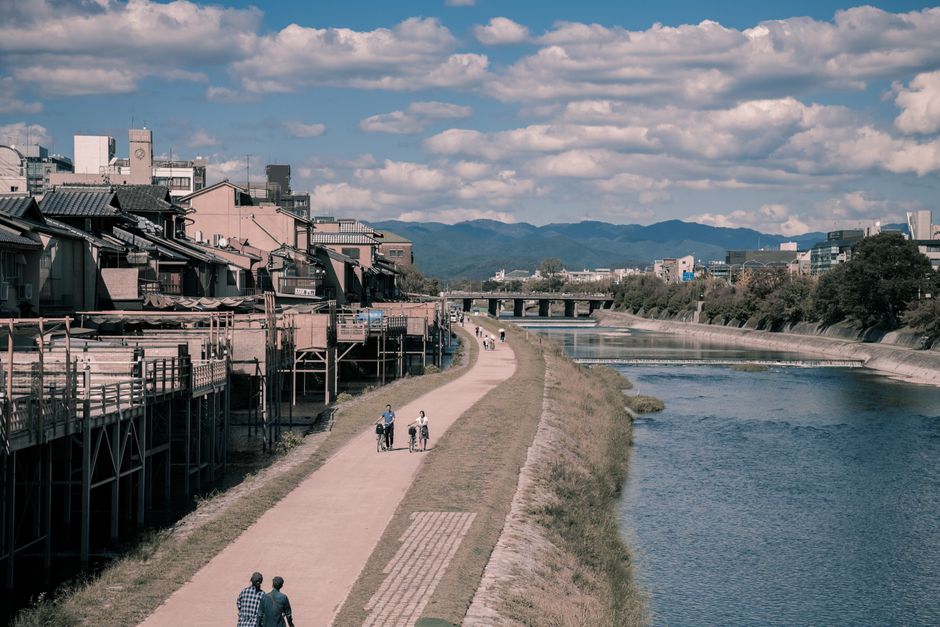
The bamboo grove opens 24 hours. Go at 6:30 AM. By 8 AM, the path is shoulder-to-shoulder. At 6:30, you’ll hear the bamboo creak in the wind. That sound alone is worth the early wake-up.
Walk through the grove in 20 minutes. Exit toward Tenryu-ji (¥700 entry, opens 8:30). The pond garden here is the best in Arashiyama. Skip the temple buildings — they’re reconstructions. Sit by the pond for 10 minutes.
Then Iwatayama Monkey Park (¥600). The 20-minute uphill hike is steep but short. At the top, 120 wild Japanese macaques roam freely. You can feed them from inside a small hut (¥100 for apple pieces). The view over Kyoto from the summit is better than any paid observation deck.
Lunch at Arashiyama Yoshimura (soba noodles, ¥1,800). Sit by the window overlooking the Katsura River.
Afternoon: walk across the Togetsukyo Bridge, then take the Randen tram to Ryoan-ji (¥600). The rock garden is famous for a reason — 15 stones arranged so you can never see all 15 at once. Sit for 10 minutes. Let the gravel-raking patterns settle your brain.
When to skip Arashiyama entirely
If it’s raining hard, the bamboo grove loses its magic (muddy paths, no wind sound). Swap this day for Nara (35 minutes from Kyoto Station, ¥720 round trip). The deer in Nara Park and Todaiji’s giant Buddha are rain-friendly. You can do Nara in 4 hours and be back for dinner.
Day 5: Kinkaku-ji, Daitoku-ji, and the Art of Doing Nothing
Kinkaku-ji (Golden Pavilion) at 9 AM. Entry ¥500. The gold-leaf pavilion reflected in the pond is exactly as photogenic as Instagram suggests. The crowds are relentless. You’ll spend 30 minutes moving through a one-way path. Accept it. Take your photo. Move on.
Walk 15 minutes to Daitoku-ji (¥400 for the main grounds, ¥400 each for sub-temples). This complex contains 22 sub-temples. Pick two: Daisen-in (dry landscape garden, best raked sand in Kyoto) and Koto-in (moss garden, bamboo grove, almost no tourists). Spend 90 minutes total.
Lunch at Shigetsu inside Tenryu-ji (shojin ryori, ¥3,000). Buddhist vegetarian cuisine. 6 courses. Tofu prepared four different ways. Book by phone the day before.
Afternoon: free time. This is not a suggestion. Day 5 is where itinerary fatigue hits. Walk along the Kamo River between Sanjo and Shijo bridges. Sit on the riverbank. Watch locals practice dance, play guitar, and walk dogs. Buy a can of hot coffee from a vending machine (¥120). Read a book. Do not visit another temple.
Dinner at Honke Owariya (soba noodles, ¥2,500, operating since 1465). The oldest soba shop in Kyoto. Order the kamo nanban (duck and leek soba). No reservation needed for dinner on weekdays.
Day 6: Day Trip to Uji — Matcha, Byodo-in, and a Quieter Side of Kyoto
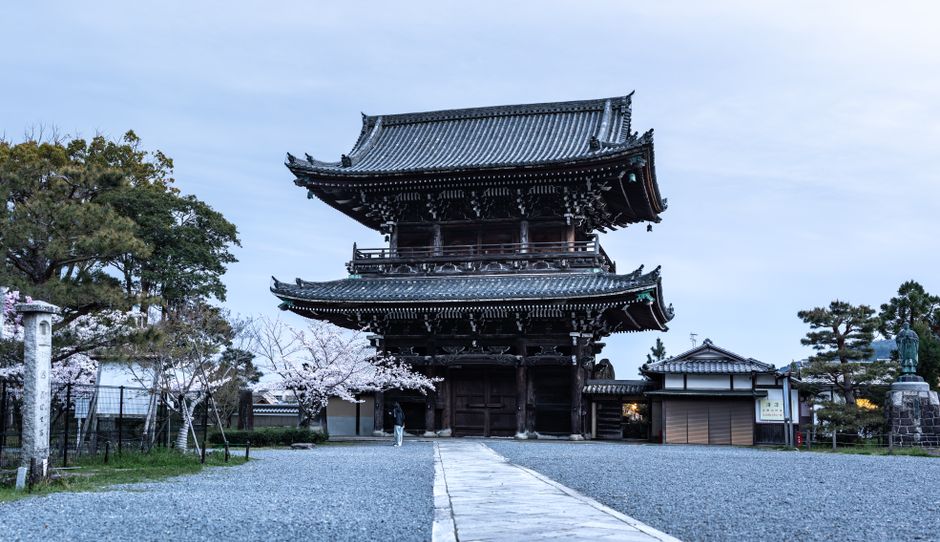
Uji is 20 minutes from Kyoto Station on the JR Nara line (¥240). This town produces the best matcha in Japan. It’s also home to Byodo-in (¥700 entry), a 10th-century temple on the 10-yen coin. The Phoenix Hall appears on every ¥10 coin you’ll handle. The museum inside holds the original bronze phoenix statues.
Walk across the Uji Bridge, one of Japan’s oldest. Visit Kosho-ji (¥500), a hidden temple with a moss garden so thick it feels like walking on a sponge. You’ll likely be the only foreigner there.
Matcha tasting at Nakamura Tokichi Honten (¥1,500 for a parfait with matcha jelly, ice cream, red bean, and mochi). The queue can hit 40 minutes. Go at 2:30 PM — the lunch crowd clears by then.
Buy matcha powder at Ito Kyuemon (¥1,200 for 100g). This is the same quality sold in Tokyo department stores for double the price. Vacuum-sealed, lasts 6 months.
Back in Kyoto by 6 PM. Dinner at Ramen Koji on the 10th floor of Kyoto Station (¥1,000). 10 ramen shops from different regions. Try the Hakata-style tonkotsu from Hakata Ikkousha. Thick pork broth, thin noodles, perfect after a long day.
Day 7: Final Morning at the Kyoto Railway Museum and Departure
The Kyoto Railway Museum (¥1,500, opens 10 AM) is the best indoor activity in the city. 53 retired trains, including steam locomotives and the original Shinkansen bullet train. The rooftop observation deck gives you a live view of trains passing every 3 minutes. Kids love it. Adults who appreciate engineering love it more.
If trains aren’t your thing, visit Nijo Castle (¥1,300). The nightingale floors squeak deliberately to warn of ninja assassins. The paintings inside are genuine 17th-century Kano school works.
Lunch at Porta Dining underground at Kyoto Station (¥1,200, curry rice or omurice). Quick, reliable, and you’re already at the station for your train to KIX.
Haruka express back to the airport (¥3,200, 75 minutes). Aim for a 3 PM departure. That gets you to KIX by 4:15, plenty of time for a 7 PM flight.
What this itinerary costs total (per person, mid-range, 2026)
| Category | Yen | USD |
|---|---|---|
| Accommodation (6 nights, ¥16,000/night) | ¥96,000 | $640 |
| Food & drink (7 days, ¥5,000/day) | ¥35,000 | $233 |
| Temple entries & activities | ¥7,500 | $50 |
| Local transit (ICOCA) | ¥6,000 | $40 |
| Airport transfer (round trip) | ¥6,400 | $43 |
| Total | ¥150,900 | $1,006 |
That’s $1,000 for a week in Kyoto, excluding flights. It includes one kaiseki dinner, two good soba meals, a day trip to Uji, and accommodation within walking distance of the best neighborhoods. You can trim $200 by swapping the hotel for a hostel private room and eating more convenience store breakfasts. You can add $300 by upgrading to a ryokan with an onsen. This version hits the balance.
One last thing: the ICOCA card is your best friend. Buy it at any JR ticket machine for ¥2,000 (¥500 deposit, ¥1,500 usable). Reload at convenience stores. It works on buses, trains, and trams. You tap in and out. No calculation needed. Get it on Day 1 and never think about transit again.