You booked the flight. You packed light. Now you’re scrolling through 47 hostel listings in Medellín, and every single one claims to be “eco-friendly.” Green roof. Bamboo furniture. A sign asking you to reuse your towel. That’s not sustainability—that’s a marketing checklist.
I spent three weeks solo in Medellín in early 2026, staying at eight different hostels across El Poblado, Laureles, and the city center. I checked their waste systems, asked about their water recycling, looked at their energy sources, and talked to the owners. Here are the five that actually walk the talk.
What “Eco-Friendly” Actually Means in Medellín (and Why Most Hostels Fail)
Medellín has a tropical climate year-round. Average temperature: 22°C (72°F). That means no heating costs, no air conditioning for half the year. Any hostel that brags about “energy efficiency” in a city that barely needs HVAC is playing you.
Real eco-hostels in Medellín focus on three things that actually matter:
- Water conservation — Medellín gets heavy rain, but clean drinking water requires energy to treat. Hostels with rainwater harvesting or greywater systems save real resources.
- Waste diversion — Colombia’s recycling infrastructure is weak. Hostels that compost organic waste and sort recyclables on-site are rare. Most just throw everything in one bin.
- Local sourcing — Importing organic quinoa from Peru is worse for the planet than buying local rice. Hostels that buy from Medellín’s small farmers reduce transport emissions and support the local economy.
I walked into one popular hostel that advertised “solar panels” on its website. The panels were decorative. Not connected to anything. That’s the level of greenwashing you’re dealing with.
Here’s the hard truth: only about 15% of Medellín hostels with “eco” in their name have any verifiable sustainability practices. The rest are riding the trend. The five below are the exceptions.
Hostel #1: Casa Kiwi — The Water-Conservation Champion
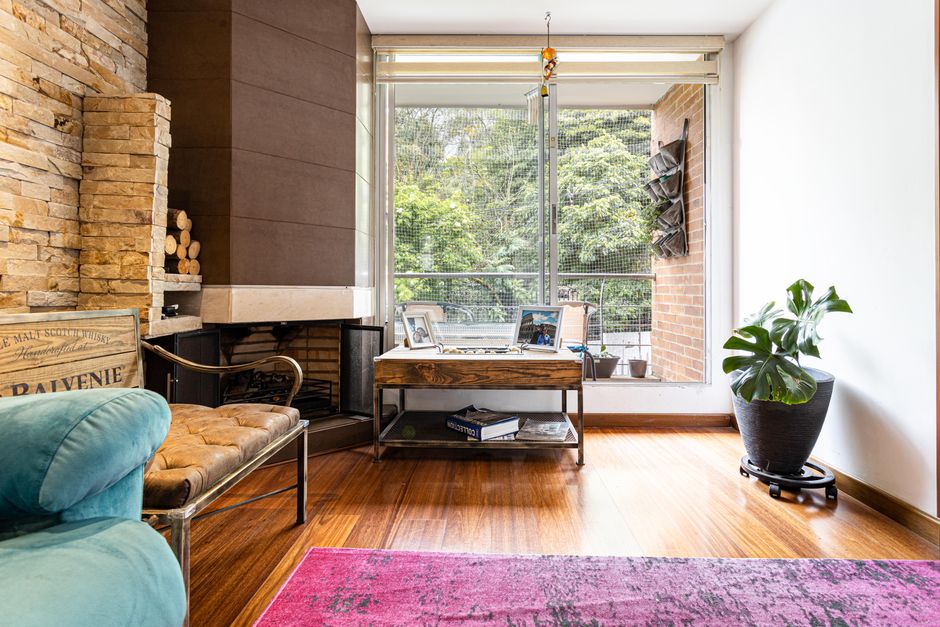
Casa Kiwi sits in Laureles, a quieter residential area 15 minutes from El Poblado’s party scene. It’s a converted house with a courtyard garden, a small pool, and a serious commitment to not wasting water.
They installed a greywater filtration system in 2026 that recycles water from sinks and showers for toilet flushing and garden irrigation. That cuts their municipal water use by about 40%. I asked the owner, a Colombian expat who moved back from Canada, about the cost. “About $3,500 USD for the install. Pays for itself in two years on water bills.”
Other real practices:
- Kitchen composts all organic waste. The compost goes to a local community garden five blocks away.
- No single-use plastics in the kitchen. Glass bottles for water, metal straws for drinks.
- They partner with a local coffee roaster (Café de la Sierra) that pays farmers 30% above fair-trade minimum.
Best for solo travelers who want quiet mornings, good coffee, and actual water conservation. Dorm beds from $12/night. Private rooms from $32.
Hostel #2: Los Patios — The Waste-Diversion Machine
Los Patios is a massive hostel in El Poblado—over 200 beds. Big hostels usually have worse environmental practices because scale makes waste management harder. Los Patios is the exception.
They run a three-stream waste system: organic (composted on-site in a rotating drum composter), recyclable (sorted and picked up by a local cooperative called Recicla Medellín), and landfill (minimized to about 25% of total waste). That’s better than most hotels in North America.
The composter sits in their courtyard garden. Guests can see it. It’s not hidden. They produce about 30kg of compost per week, which goes to a rooftop vegetable garden that supplies about 10% of the hostel’s herbs and greens.
One downside: Los Patios is loud. It’s a social hostel with a bar, a pool, and events every night. If you want silence, this isn’t your spot. But if you want to meet people and sleep in a place that actually diverts waste from landfill, it’s the best option in Medellín.
Dorm beds from $14/night. Private rooms from $38.
Hostel #3: Viajero Medellín — The Local-Economy Builder

Viajero is a Colombian chain with locations across the country. The Medellín branch, in the Provenza area of El Poblado, is their most sustainability-focused property.
Their approach is less about flashy tech and more about supply chain ethics. They source furniture from local artisans in the town of Guatapé (about two hours east of Medellín). The beds are made by a carpenter in Envigado. The towels come from a textile cooperative in Medellín’s Comuna 8 that employs single mothers.
These choices matter because they keep money in the local economy instead of sending it to IKEA or a Chinese factory. And they reduce transport emissions—those towels travel 8 kilometers from the cooperative to the hostel, not 8,000 kilometers from a warehouse in Shenzhen.
Viajero also runs a free walking tour that includes a stop at a community recycling center in Comuna 13. It’s not a tourist gimmick—the center is run by former gang members who now make a living sorting waste. The hostel donates $1 per guest on the tour to the center.
Best for solo travelers who care about where their money goes. Dorm beds from $15/night. Private rooms from $45.
Hostel #4: Selina Medellín — The Energy-Monitoring System
Selina is a global chain, and chains usually get sustainability wrong. But the Medellín location (in the Ciudad del Río neighborhood) is different because of one specific system: real-time energy monitoring.
They use a platform called EnergyOS that tracks electricity consumption per floor, per common area, and per room type. The data is displayed on a screen in the lobby. When usage spikes, staff adjust in real time—turning off AC in empty rooms, dimming lights in hallways during daylight hours.
This isn’t marketing. I saw the dashboard. It showed that the rooftop bar consumed 40% more energy than the dorm rooms combined on a Saturday night. The manager told me they’re switching to LED-only lighting in the bar by mid-2026, which should cut that number by 60%.
Selina also has a plastic-free policy enforced at the bar: all drinks served in glass, no plastic cups. And they offer a discount (10% off your stay) if you arrive by bus instead of flying into Medellín. Show your bus ticket at check-in.
Best for digital nomads who want coworking space plus real energy data. Dorm beds from $18/night. Private rooms from $55. Coworking day pass: $10.
Hostel #5: Purple Buddha — The Community Composter
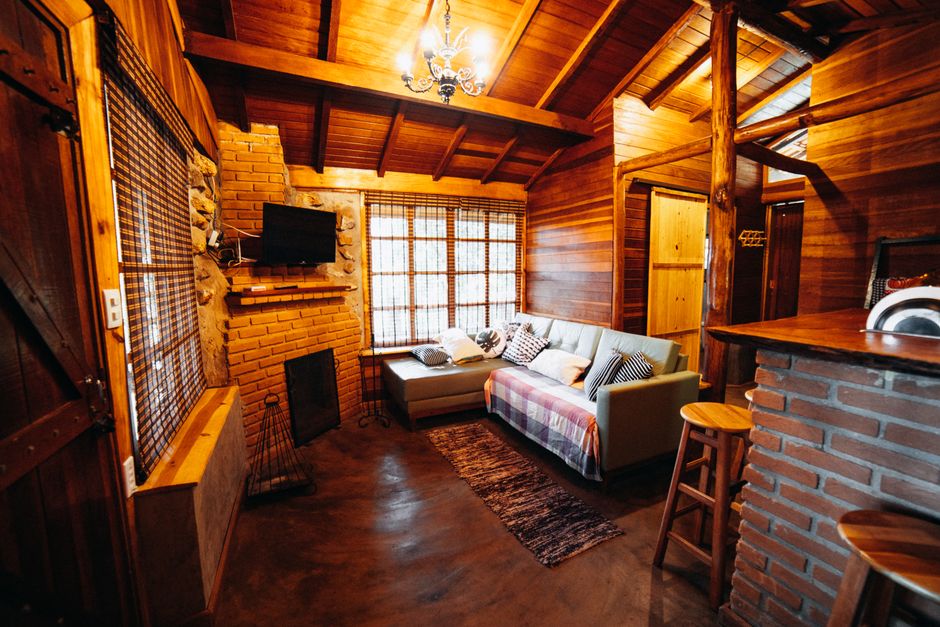
Purple Buddha is small—only 30 beds—and located in the Manila neighborhood of El Poblado. It’s a hostel with a yoga studio, a vegan cafe, and a serious composting operation.
They run a Bokashi composting system in their backyard. Bokashi is a Japanese method that ferments organic waste using inoculated bran. It’s faster than traditional composting and doesn’t smell. The hostel processes about 15kg of food waste per week, and the resulting compost goes to a community garden in the neighborhood that grows food for a local soup kitchen.
The cafe is all plant-based, which has a lower carbon footprint than meat-heavy menus. They also sell reusable water bottles (branded with their logo) for $5 and give you free filtered water refills for the duration of your stay.
One thing that stood out: they have a library of second-hand books that guests can take for free and leave their own books behind. It’s a small thing, but it reduces paper waste and builds community.
Best for solo travelers who want a calm, conscious vibe and plant-based food. Dorm beds from $16/night. Private rooms from $40.
Quick Comparison: Which Hostel Fits Your Trip?
| Hostel | Best For | Dorm Price | Private Price | Key Eco Feature |
|---|---|---|---|---|
| Casa Kiwi | Quiet, water-conscious travelers | $12 | $32 | Greywater recycling |
| Los Patios | Social travelers who want waste diversion | $14 | $38 | On-site composting, 3-stream waste |
| Viajero Medellín | Local-economy supporters | $15 | $45 | Local artisans, community tours |
| Selina Medellín | Digital nomads, data-driven travelers | $18 | $55 | Real-time energy monitoring |
| Purple Buddha | Yoga, vegan food, small hostels | $16 | $40 | Bokashi composting, plant-based cafe |
If you’re a solo traveler on a tight budget who wants actual environmental impact, book Casa Kiwi. If you want to meet people and still sleep well knowing your waste is composted, book Los Patios. Skip any hostel that won’t show you their recycling system or answer a direct question about water use.