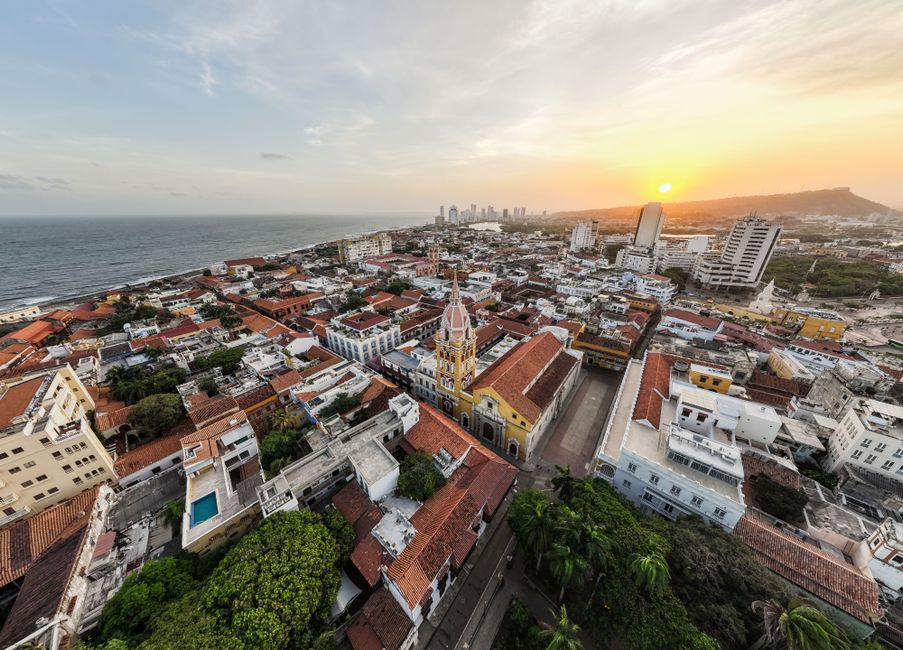
The common mistake is treating Cartagena as one compact beach destination. A traveler can spend a rushed morning inside the Walled City, lose time in heat and traffic, then reach the islands too late to enjoy the water. The better plan separates the historic center from the Caribbean coastline and gives each enough time. The Walled City needs early walks and slow evenings. The islands need a clear departure plan, sun protection and realistic expectations about boat travel.
What makes Cartagena’s Walled City and islands different?
The Walled City is a walking destination
Cartagena’s historic center works best on foot. Its stone lanes connect plazas, churches, balconies, museums and old defensive walls within a relatively small area, but the short distances can feel longer under strong midday sun. Early morning is the calmest period for photography and architecture. Late afternoon brings better light and more activity around the plazas.
The islands are a separate travel day
The Rosario Islands and nearby coastal areas offer clear water, swimming, snorkeling and boat-based relaxation. They are not simply an extension of the old town. Reaching them usually involves a transfer to a marina, a fixed departure window and open-water conditions that can make the journey bumpy. The strongest itinerary treats the islands as a full day or overnight stay rather than a quick add-on.
Best overall approach: spend at least two nights near the historic center, then reserve a separate day for the islands. This protects the trip from delays and leaves room for the city’s evening atmosphere.
How many days are needed for Cartagena and the islands?
Three full days gives the clearest balance between history, food, neighborhoods and sea time. A shorter trip can work, but it forces a choice.
| Available time | Best use | Main limitation |
|---|---|---|
| One full day | Walled City, city walls and one evening in Getsemaní | No sensible island visit |
| Two full days | One historic day and one island day | Little room for delays or museums |
| Three full days | Historic center, Getsemaní, island day and a flexible morning | Still requires early departures |
| Four or more days | Slower city visits, island overnight and coastal downtime | More exposure to heat and changing weather |
For a first visit, three full days is the strongest verdict. Two days suits travelers who mainly want landmarks and a swim. Four days or more suits anyone who dislikes compressed schedules or wants to see the city beyond the postcard route.
What should a three-day itinerary look like?
A practical plan places the most weather-sensitive activity early and keeps the hottest hours flexible. Use the following sequence as a framework rather than a rigid timetable.
- Day one, historic center: begin with the main plazas and cathedral area before the streets become crowded. Continue toward the old defensive walls, then pause indoors during the strongest heat. Return to the streets near sunset for balconies, churches and evening plazas.
- Day two, islands: arrive at the assigned marina early, carry identification and confirm the return plan before boarding. Keep the day focused on swimming, snorkeling or quiet shoreline time. Avoid adding several distant stops unless the operator has clearly included them.
- Day three, local texture: explore Getsemaní in the morning, then choose one museum, courtyard or food-focused walk in the historic center. Keep the afternoon open for weather changes, a relaxed meal or a second visit to the city walls.
- Final evening: stay close to the historic center rather than scheduling a distant activity. This reduces the risk of arriving late for transport and gives the trip a calm ending.
The order can change if sea conditions look poor. City sightseeing is easier to move than a boat departure, so the island day should normally receive priority when the forecast is favorable.
How do island day trips work from Cartagena?
Where does the journey begin?
Most island trips start from a marina or organized departure point rather than directly from the Walled City. The exact meeting place depends on the route and operator. Allow extra time for traffic, check-in and boarding. A traveler who arrives at the last minute may miss the boat even when the distance from the accommodation appears short.
What should be packed for the crossing?
Pack a small dry bag, reef-safe sun protection, a hat that fits securely, drinking water, a light cover-up and footwear that can handle wet surfaces. Keep valuables to a minimum. Sea spray, crowded boats and sudden rain can damage phones and paper documents.
Are the islands quiet and untouched?
Some shorelines feel peaceful, but popular stops can become busy during peak departure periods. Facilities vary, and beach access may involve fees or shared spaces. Boat rides can also be rough, especially on windy days. The best expectation is a beautiful marine escape with basic logistics, not a completely private beach.
For travelers prone to motion sickness, the island day deserves extra planning. Eat lightly before departure, sit near the center of the boat when possible and avoid relying on a return crossing after dark.
Which local habits make the Walled City easier?
The best city strategy is simple: walk early, rest at midday and return after sunset. This works because Cartagena’s strongest attractions are close together, while the heat can make a short route feel exhausting.
Dress for the climate and the setting
Loose clothing, breathable fabrics and comfortable walking shoes matter more than polished outfits. Carry a light layer for interiors with strong air conditioning. Swimwear belongs at the beach or pool, not in churches, museums or formal dining rooms.
Handle street approaches calmly
Vendors, performers and informal guides are part of the city’s public spaces. A clear no is usually enough when an offer is unwanted. Keep phones and wallets secure in crowded lanes without turning normal caution into anxiety.
Choose neighborhoods by purpose
The Walled City is best for architecture, plazas and evening walks. Getsemaní has a more local, social feel, with street art, small squares and late activity. The newer waterfront areas suit broad views and a quieter promenade. No single neighborhood provides the full Cartagena experience.
That division gives the trip a useful rhythm: historic detail in the morning, shade and food at midday, then livelier streets after sunset.
What mistakes can damage the itinerary?
The biggest failure is scheduling the Walled City, an island crossing and an evening event on the same day. Delays at the marina, rain, traffic and rough water can disrupt every later reservation. Leave a buffer after the island day, especially if onward transport is involved.
Common planning errors
- Booking an island excursion immediately before a flight or long-distance transfer.
- Assuming every island beach has the same water quality, shade, facilities or crowd levels.
- Walking during the hottest hours without water, shade breaks or a route with indoor stops.
- Expecting the old center to feel quiet at every hour of the day.
When should the islands be skipped?
Skip the boat day if the forecast suggests unsafe sea conditions, if motion sickness would dominate the experience or if the trip has only one full day. The Walled City, Getsemaní and the nearby coastline can fill a short visit without forcing a rushed crossing. An island day is valuable only when the logistics leave enough time to enjoy it.
The clear verdict is to protect the schedule before protecting the checklist. One well-paced city day is better than a chain of missed departures and hurried walks.
What should travelers expect from Cartagena?
Is Cartagena mainly a historical destination or a beach destination?
It is both, but the experiences feel different. The historic center rewards attention to architecture, military history, religious buildings and public squares. The islands reward patience with sun, water and boat logistics. Combining them works because they solve different travel needs, not because they share the same atmosphere.
Is the heat manageable?
Usually, with a split-day rhythm. Begin sightseeing early, plan an indoor break around midday and resume walking later. Hydration, shade and a slower pace are practical requirements rather than optional comforts.
What is the strongest final plan?
For most visitors, the best arrangement is three full days: two nights centered on the historic areas, one dedicated island day, and a final flexible morning. Keep the return from the islands away from major transport connections. That single decision prevents the most common travel failure.
The traveler who begins by worrying about fitting everything into one rushed day can instead divide the destination properly: old stone streets first, open water second, and neighborhood life in the spaces between.