The real problem: fitting Geneva and the lake into two days
A Friday arrival can create a familiar problem: the city looks manageable on a map, yet Lake Geneva stretches across several distinctive towns. Trying to see Geneva, Lausanne, Montreux, Vevey, and a smaller lakeside stop in one weekend usually produces more time on platforms and boats than time exploring. The strongest plan chooses one city block and one lake corridor.
What a short weekend can realistically cover
Geneva deserves at least one concentrated day because its attractions sit in different areas. The old town, lakefront, international district, and neighbourhood markets each have a different pace. A visitor can see the main historic centre, walk beside the water, and still leave room for a relaxed meal. Adding one nearby town creates variety without turning the trip into a transport exercise.
Why the lake should be treated as a route
Lake Geneva is not one compact attraction. The southern shore, northern shore, and eastern end offer different views and travel times. Nyon and Morges suit a gentle western route; Vevey and Montreux create a more dramatic eastern journey. In most cases, the best weekend plan follows one direction and returns by the fastest practical connection. One city plus one lakeside corridor is the clearest structure for two days.
Which Lake Geneva towns fit a short weekend?
The right town depends on the experience sought, not on a checklist of famous names. The following comparison gives a practical starting point. Travel times are approximate and can change with the departure point, service pattern, and seasonal timetable, so official schedules should be checked before leaving.
| Town | Best for | Approximate travel from Geneva | Main limitation |
|---|---|---|---|
| Nyon | Castle views, old streets, easy half-day | About 15 to 20 minutes by train | Less dramatic mountain scenery |
| Morges | Lakeside walking, gardens, slower pace | About 40 to 50 minutes by train | Works best in good weather |
| Vevey | Promenade, food culture, museum visits | About 55 to 70 minutes by train | More time is needed for the journey |
Best choice for an easy half-day
Nyon is the strongest choice when the weekend includes a late arrival or an early departure. Its centre is close to the station, and the route from the old town toward the lake is easy to follow. The compact scale reduces planning risk.
Best choice for scenery
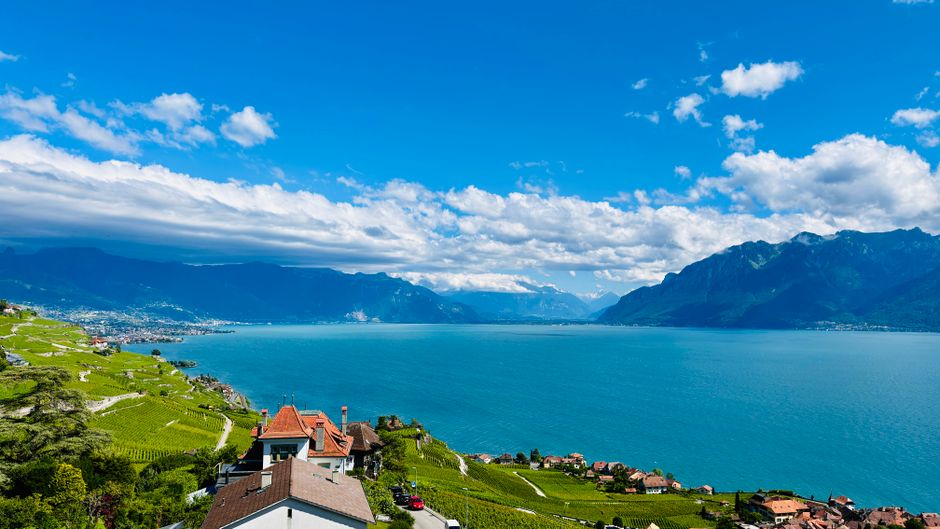
Montreux offers the clearest visual contrast with Geneva. The lakefront opens toward steep hills and mountain slopes, and the promenade makes sightseeing simple. Choose it when the landscape matters more than seeing several separate towns.
A first-day Geneva itinerary that protects your time
The first day should stay inside Geneva. Crossing the lake or travelling east before understanding the city creates unnecessary pressure. This sequence works best for a Saturday or any full day with moderate walking.
- Morning: Begin in the old town while streets are quieter. Walk through the cathedral area, the smaller lanes, and the main squares. Allow time for viewpoints rather than rushing between every landmark.
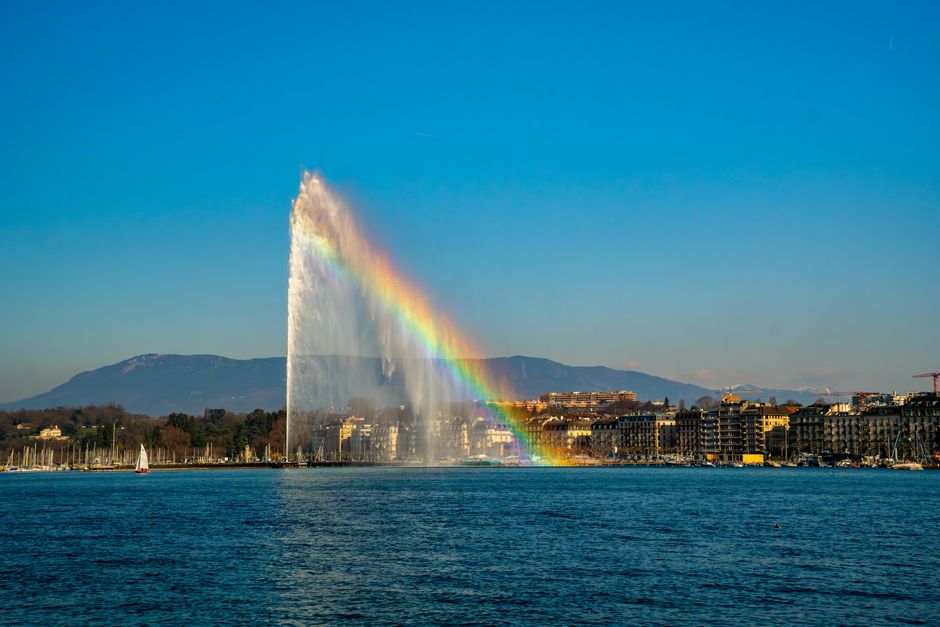
- Late morning: Continue toward the lakefront. The route gives a useful change from stone streets to open water and broad views.
- Midday: Eat in a neighbourhood away from the busiest waterfront strip. This usually gives a calmer setting and makes it easier to control the schedule.
- Afternoon: Choose one indoor stop, such as a museum or historical collection, especially if rain is possible. A single well-chosen visit is more rewarding than several rushed entrances.
- Late afternoon: Walk through a local market area or residential neighbourhood. This adds context beyond the postcard sights.
- Evening: Return to the lake for a short sunset walk. Keep the final block flexible because weather, restaurant timing, and tired legs can change the evening.
What to leave out
Do not combine the old town, every major museum, the international district, and a long lake cruise in one day. A weekend itinerary needs open space. The strongest first day has one historical focus, one waterfront walk, and one optional indoor stop.
The best second-day plan: choose one lakeside corridor
The best second day is a single-direction outing, not a town-collecting exercise. Choose the western corridor for convenience and a relaxed rhythm, or choose the eastern corridor for bigger scenery and a longer travel day. Both can work, but they solve different problems.
Western corridor: Nyon and Morges
This route suits visitors who prefer short transfers, compact centres, and time for unplanned stops. Start in Nyon and explore the old streets before walking down toward the water. Continue to Morges only if the pace still feels comfortable. The two towns provide a useful contrast: Nyon has a stronger historic feel, while Morges is better for an extended lakeside stroll. This route remains practical in uncertain weather because trains provide a straightforward return option.
Eastern corridor: Vevey and Montreux
This route works for visitors who want the lake landscape to dominate the day. Vevey offers a manageable waterfront and cultural stops, while Montreux provides the more memorable mountain-and-water setting. Seeing both is possible, but the day should begin early and use rail for the main transfer. A boat can replace part of the journey when the timetable and weather align; it should not be treated as the only return plan.
When to choose neither
Stay in Geneva if heavy rain, a delayed arrival, or limited mobility makes a long outing stressful. The city has enough museums, historic streets, food markets, and covered public spaces to support a complete second day. A shorter plan with fewer transport risks is the better decision.
What visitors usually want to know before leaving Geneva
Small practical questions often determine whether the weekend feels relaxed or rushed. These answers address the points that cause the most avoidable uncertainty.
Is Geneva walkable for a weekend?
Yes, the central sightseeing areas are manageable on foot, but the lakefront and old town are not the same kind of walk. Expect slopes and uneven paving around historic streets. Comfortable shoes matter more than trying to cover a large distance. Public transport is useful when the weather changes or when the day includes areas outside the centre.
Should the lake be explored by train or boat?
Use the train when timing and reliability matter most. Use a boat when the journey itself is part of the experience and the weather is stable. Boat routes can take longer and may run less often than trains, so the final return should always have a second option. The best mixed plan often uses rail in one direction and water only for a carefully chosen segment.
What should be checked before departure?
Check the official transport timetable, the opening hours of any museum, the weather near the lake rather than only in Geneva, and the last practical connection back. Seasonal closures and maintenance can affect smaller attractions. Save the address of the accommodation and the location of the departure station offline in case mobile coverage or battery life becomes a problem.
Mistakes that waste a weekend around Lake Geneva
The most damaging mistake is treating every stop as equally important. A weekend has limited daylight, and the lake rewards slower viewing. Prioritise one major town, one flexible activity, and a clear return route.
- Do not plan a full eastern-lake excursion after arriving in Geneva late in the morning. The return journey can consume the time intended for sightseeing.
- Do not rely on a boat as the only transport option. Weather, reduced service, or a missed departure can disrupt the rest of the day.
- Do not assume every lakeside town feels interchangeable. Nyon is compact and historic; Morges is calmer; Vevey is more cultural; Montreux is more scenic and busier.
- Do not schedule an indoor attraction at the exact end of the day. A delayed train or long lunch can turn a small delay into a missed entry.
- Do not ignore the walk back to the station. Several waterfront areas look close on a map but take longer when roads, slopes, and crowds are included.
What to do when the plan starts slipping
Cut the second town before cutting the return buffer. A weekend remains enjoyable when one optional stop disappears; it becomes stressful when the final connection becomes uncertain. Keep the closest station, a sheltered alternative, and one simple meal option in mind.
The final plan for weather, energy, and timing
There is no single perfect weekend route, but there is a reliable decision rule: match the second day to the conditions rather than forcing a fixed list of towns. Geneva stays at the centre of the plan, while the lake outing remains adjustable.
| Situation | Recommended plan |
|---|---|
| Clear weather and high energy | Vevey and Montreux |
| Mixed weather or moderate energy | Nyon, with Morges only if time allows |
| Heavy rain | A second Geneva day with indoor stops |
A simple weekend structure
Use the first day for Geneva’s historic centre, lakefront, and one indoor attraction. Use the second day for one chosen corridor, checking return times before departure. Leave room for weather, meals, and unplanned views. The strongest itinerary is not the one with the most names; it is the one that gives each place enough time to feel distinct.
The single most important takeaway is simple: for a weekend in Geneva, combine the city with one carefully chosen Lake Geneva town corridor rather than trying to see the entire lake.