Oaxaca is often treated as a quick city break: one colorful market, one ruin, one mezcal tasting, then move on. That approach misses the point. Oaxaca works because its food, craft traditions, Indigenous communities, archaeological sites and dry mountain valleys belong to the same living region. The best trip is not a race between attractions. It is a carefully paced journey through the Valles Centrales, with enough time to notice how the city connects to the villages around it.
What should a first Oaxaca trip actually include?
Is Oaxaca City enough for a first visit?
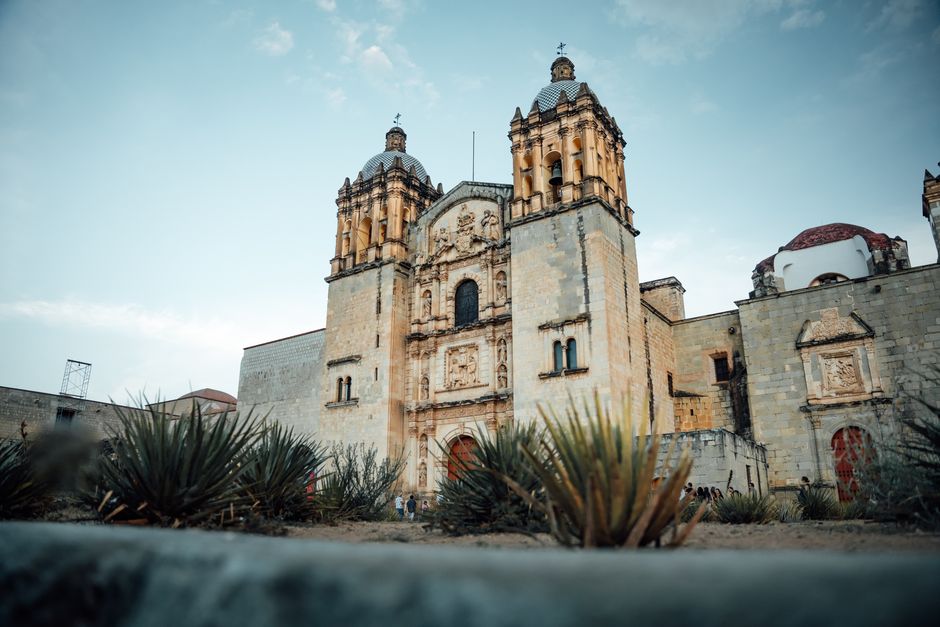
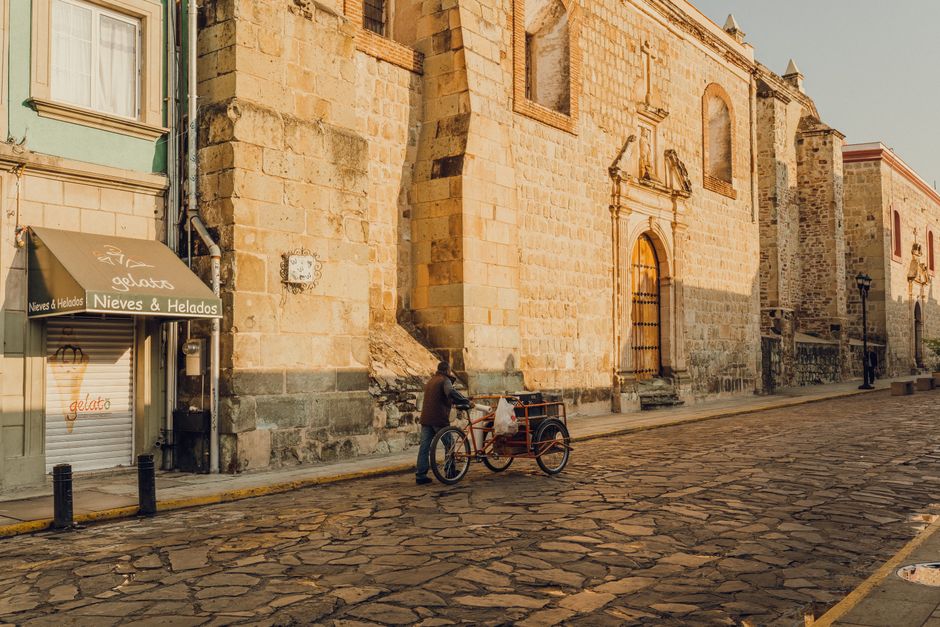
Oaxaca City deserves at least three full days. Its historic center is compact, but the experience is layered. Morning is best for walking through streets around Santo Domingo, visiting museums and watching daily life begin in the markets. Afternoon suits a slower meal, a courtyard café or a neighborhood walk. Evenings bring crowded plazas, music and a cooler air that makes walking pleasant.
A city-only trip works for travelers who want food, architecture and cultural history without long transfers. It also avoids the common mistake of treating nearby villages as interchangeable day-trip stops. Each community has its own rhythm and specialty. A rushed visit can turn a meaningful place into a photo stop.
Which day trips add the most value?
Monte Albán is the strongest first excursion because it explains the scale of the ancient Zapotec world and sits close enough to combine with a relaxed city afternoon. For markets, Tlacolula offers the most rewarding Sunday experience, while smaller village markets are better for a quieter look at local trade. The route toward mezcal country adds agave landscapes, village palenques and dry mountain scenery.
Hierve el Agua can be dramatic, but it takes longer and may feel less rewarding during a crowded visit. Mitla is a better choice for travelers interested in stone patterns, Zapotec history and a shorter, more focused archaeological stop. The clear verdict: choose Monte Albán, one market day and one village route before adding more distant sights.
How to build a five-day Oaxaca itinerary
What is the best order for the main sights?
The order below limits backtracking and leaves space for slow meals, weather changes and unexpected market discoveries. It also places the busiest outdoor sites earlier in the day, when heat and crowds are easier to manage.
| Day | Morning | Afternoon | Evening | Best pace |
|---|---|---|---|---|
| 1 | Historic center and Santo Domingo | Market walk and local lunch | Plaza or neighborhood stroll | Easy |
| 2 | Monte Albán | Return to Oaxaca City and rest | Traditional dinner | Moderate |
| 3 | Craft village route | Village meal and workshops | Quiet city evening | Moderate |
| 4 | Mitla or Tlacolula, depending on the day | Agave landscape and mezcal education | Free time | Long |
| 5 | Favorite market or museum | Flexible neighborhood exploration | Final meal and plaza walk | Easy |
How much time should each stop receive?
Allow two to three hours for Monte Albán, not counting transport. Village routes need more patience. Travel between communities can be slow, roads may curve through the mountains and workshops do not run on a fixed tourist schedule.
The best itinerary has one flexible half-day. Use it for rain, fatigue or a place that deserves a second look. A tightly packed schedule creates the wrong kind of travel problem: every stop is technically completed, but none has enough time to become memorable.
How do markets, ruins and mezcal country fit together?
What do Oaxaca’s markets reveal about the region?
Look at the layout. Produce, herbs, meat, prepared food, woven goods and household tools often occupy distinct zones. The arrangement shows what people cook, trade and carry home. Early hours usually bring the most activity, while late morning is better for sitting down with a prepared meal.
Approach markets with a simple plan. Notice what appears repeatedly, which foods are prepared on site and how locals order. Then return to one section. This prevents the common mistake of treating every stall as a tourist display. Ask before photographing people, food preparation or workshop spaces. A market visit becomes more rewarding when observation comes before consumption.
Why are the ruins and agave valleys part of the same story?
Monte Albán sits above the central valleys, which helped the ancient city control movement, agriculture and trade. Later communities continued to shape the same landscape through farming, craft production and local exchange. The connection is physical as well as historical. From elevated ruins, the valley appears broad and dry, but closer views reveal fields, villages and roads linking one community to another.
Mezcal country should be approached as an agricultural region, not as a string of tasting rooms. Agave takes years to mature. Production depends on soil, water, weather, local knowledge and careful labor. A good visit explains harvesting, cooking, fermentation and distillation in clear terms. A poor visit rushes straight to sampling without explaining the work behind the drink.
Travelers who do not drink alcohol still have reasons to visit. The landscape, village architecture and farming knowledge stand on their own. Ask for a non-alcoholic explanation or focus on the agave fields and production process. The strongest day in the valley combines learning, scenery and a meal rather than maximizing the number of tastings.
Which Oaxaca travel mistakes waste the most time?
What should be avoided on a first trip?
- Do not schedule every day as a long day trip. Oaxaca City is part of the destination, not a base to leave each morning. Keep at least two slow city periods for markets, museums and spontaneous walks.
- Do not visit Monte Albán at the hottest part of the day. The site has little shade. Start early, carry water and wear shoes suited to uneven stone.
- Do not assume Sunday is always the best market day. Tlacolula is especially active on Sunday, but the day can also be crowded. Check local schedules before building the entire itinerary around one market.
- Do not treat villages as identical. Some focus on pottery, others on textiles, woodwork, food or agricultural traditions. Pick a route based on the kind of experience sought.
- Do not rely on a rushed private transfer schedule. Mountain roads, roadworks and weather can change the timing. Leave a buffer before any evening commitment.
When is a different plan better?
Travelers with limited mobility may prefer fewer villages and more time in the historic center, where distances are shorter and rest stops are easier to find. Families may enjoy one major excursion followed by a free afternoon instead of two demanding routes in a row. During intense heat or heavy rain, replace an exposed archaeological site with a museum, market or cooking-focused experience.
The right alternative is the one that protects attention. A shorter route with time to listen and look will usually reveal more than a longer route built around checking off locations.
What is the best way to experience Oaxaca without rushing?
What deserves priority?
The best Oaxaca itinerary gives priority to depth, not distance. Stay long enough to understand the city, choose one major ruin, visit one serious market and reserve a full day for the surrounding valleys. That combination offers history, food, landscape and local life without turning the trip into a transport schedule.
Start mornings early for outdoor sites and markets. Protect the middle of the day for meals, shade and rest. Use evenings for walking rather than another far-away excursion. Small adjustments make the experience calmer and help the region feel connected.
What should the final verdict be?
For a first visit, five days is the strongest balance. Three days can cover Oaxaca City and Monte Albán, but the trip will feel incomplete without a village or market route. Seven days allow a slower rhythm, a second market and more time in mezcal country. Fewer days can still work when the itinerary stays focused.
Oaxaca is not a single postcard attraction, and it does not reward hurried collecting. The markets make more sense after seeing the valleys. The ruins feel more alive after understanding the communities around them. Mezcal country becomes more than a tasting stop when the land and labor are part of the story. That is the resolution to the opening misconception: Oaxaca is best explored as one connected region, experienced at a human pace.