Many travelers operate under the misconception that the rainy season in El Nido, Palawan, is a total washout that should be avoided at all costs. This assumption often leads to people cramming into the town during the sweltering heat of April, only to find themselves sharing small lagoons with hundreds of other tourists. While the wet season does bring precipitation, the reality of El Nido’s microclimate is far more nuanced. Rain often comes in short, heavy bursts followed by sunshine, and the tropical landscape is never more vibrant than when it is well-watered. Choosing the right time to visit depends entirely on whether you prioritize crystal-clear snorkeling visibility, lower accommodation prices, or simply avoiding the heavy humidity of the Philippine summer.
Understanding El Nido Weather Patterns and Seasonal Shifts
El Nido operates on two primary seasonal cycles dictated by the prevailing monsoon winds: the Amihan and the Habagat. The Amihan, or the Northeast Monsoon, typically runs from November to May. This is the period most travelers consider the peak window. During these months, the winds blow from the north, bringing cooler, drier air. The sea is generally calmer in the protected Bacuit Bay, making it the ideal time for the famous island-hopping tours. Temperatures during this window usually hover between 26°C and 32°C (79°F to 90°F). While this is the driest part of the year, humidity remains high, so physical exertion can still feel taxing.
The Habagat, or Southwest Monsoon, takes over from June through October. This is the official rainy season. You can expect more frequent rainfall and occasional typhoons that can ground flights and cancel boat tours for days at a time. However, the Habagat also brings a different kind of beauty. The limestone cliffs turn a deep, mossy green, and the waterfalls on the mainland, such as Bulalacao Falls, are at their most impressive. If you are a traveler who prefers a quiet town over a bustling party scene, the Habagat months offer a much more localized experience. The key is flexibility; if you book during this time, you must be prepared for the possibility that your primary activities might be delayed by weather-related safety restrictions.
The transition months of May and November are often the most unpredictable but can provide the best balance. May is the peak of the Philippine summer, characterized by intense heat and very calm seas. November marks the end of the rainy season, where the landscape is still lush, but the weather begins to stabilize. For those looking for the most reliable weather, February and March are statistically the driest months with the most consistent sunshine.
Tour Availability and Water Conditions by Month
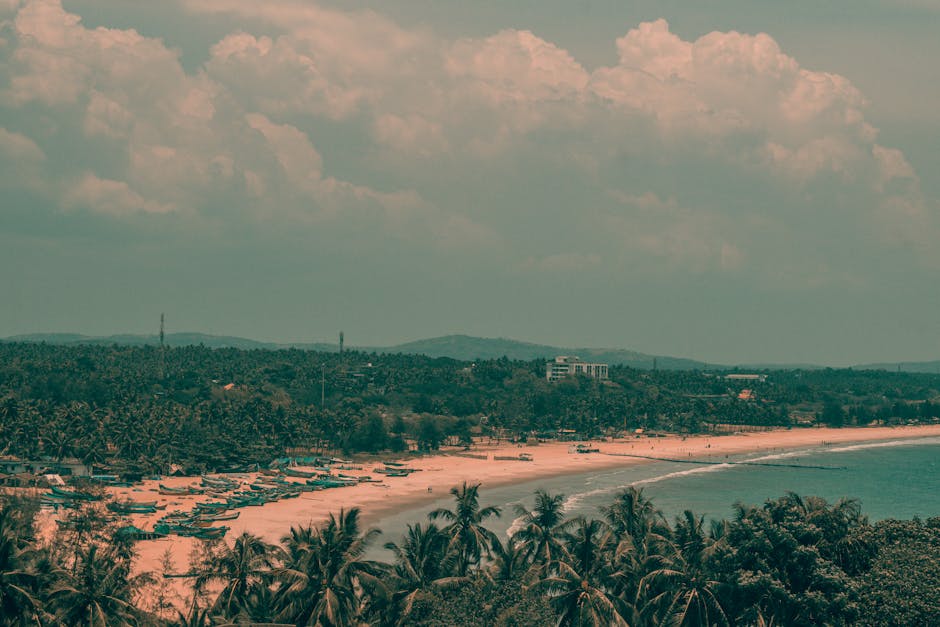
Island hopping is the heartbeat of El Nido, but the tours you can actually access change depending on the month. Tours are categorized into A, B, C, and D, with Tour A and Tour C being the most popular. Tour C, which visits Hidden Beach and Matinloc Shrine, is particularly sensitive to weather. Because it ventures into more open waters outside the immediate protection of the bay, the Coast Guard frequently cancels this specific route if the waves exceed a certain height. This happens most often between July and September. If your heart is set on seeing the jagged cliffs of Matinloc, visiting during the peak dry season is almost a requirement.
Water clarity is another major factor. Snorkelers and divers will find the best visibility from March to May. During these months, the lack of rain means there is minimal runoff from the mainland, leaving the lagoons and coral reefs spectacularly clear. You can often see down to 20 or 30 meters. Conversely, during the height of the rainy season, the churning sea and rainwater runoff can cloud the water, reducing visibility significantly. This doesn’t mean you won’t see fish, but the “aquarium-like” experience El Nido is famous for is harder to find in August.
Water temperature remains fairly consistent throughout the year, usually ranging from 27°C to 30°C. You won’t need a thick wetsuit for snorkeling, but a thin rash guard is recommended regardless of the month to protect against the sun and the occasional jellyfish stinger. In the cooler months of December and January, the water might feel slightly refreshing compared to the ambient air, but it never reaches what most would consider “cold.”
Budget Considerations: Peak vs. Low Season Pricing
The cost of visiting El Nido fluctuates significantly based on the calendar. Peak season (December to April) sees prices for boutique hotels and beachfront resorts spike by as much as 50% to 100%. During Christmas, New Year, and the Chinese New Year, availability becomes extremely tight. If you plan to visit during these windows, booking six months in advance is not just a suggestion; it is a necessity for securing decent rates.
| Season | Months | Estimated Hotel Rate (Mid-range) | Tour Availability |
|---|---|---|---|
| Peak | Dec – April | $120 – $250 per night | High (All tours open) |
| Shoulder | May, Nov | $80 – $150 per night | Moderate (Occasional cancellations) |
| Low | June – Oct | $50 – $100 per night | Low (Frequent cancellations) |
Low season (June to October) is the golden era for budget travelers. You can often walk into a guesthouse and negotiate a lower rate on the spot, or find luxury villas listed on booking sites for a fraction of their summer price. Flights from Manila to El Nido via AirSwift also tend to be slightly cheaper, though they maintain a near-monopoly on the direct route, keeping prices relatively stable compared to the ferries from Coron. If you choose to visit during the low season to save money, ensure you have travel insurance that covers trip interruptions, as flight cancellations due to weather are a real possibility.
Essential Gear and Apparel for the Palawan Climate
Packing for El Nido requires a strategic approach because of the transition between the boat and the shore. You will spend a significant amount of your time in what the locals call “wet landings,” meaning you will be stepping out of a boat into knee-deep water. Standard footwear is useless here. You need high-quality water shoes or rugged sandals that can handle sharp volcanic rock and slippery surfaces.
For apparel, focus on breathable, quick-dry fabrics. Linen is an excellent choice for dinners in town, as it handles the humidity better than cotton. For women, a versatile swimsuit is the most important item in the bag. The Cupshe One Piece Ruffled Swimsuit (approx. $30-$45) is a popular choice for this environment. Pros: It offers excellent coverage for climbing into kayaks and is made of a durable fabric that stands up to salt water. Cons: The sizing can be a bit inconsistent, so it is best to check the specific measurements before ordering. Pair this with a lightweight sarong that can double as a beach towel.
Organization is equally vital when you are constantly moving between boats and vans. The Bagsmart Compression Packing Cubes (approx. $40 for a set) are highly effective for keeping your dry clothes separate from your damp swimwear. Pros: The double-zipper system really does save about 30% of space in your carry-on. Cons: The zippers are fine-toothed and can snag if you try to overstuff the cubes beyond their intended capacity. Additionally, a dry bag is non-negotiable. You can buy them in El Nido town, but the quality varies wildly. Bringing a trusted 10L or 20L dry bag from home ensures your phone and camera stay functional after a day on the water.
Crucially, do not forget high-SPF, reef-safe sunscreen. The sun in Palawan is exceptionally strong, and many standard sunscreens contain chemicals that damage the fragile coral ecosystems in Bacuit Bay. Look for mineral-based options containing zinc oxide or titanium dioxide.
Navigating the Crowds: Best Times for Solo vs. Social Travelers
If your goal is to meet fellow travelers and enjoy the nightlife at places like Sava Beach Bar or Sula, the peak months of January through March are your best bet. The town is buzzing, the restaurants are full, and it is incredibly easy to join a “group tour” and make friends. Solo travelers often find this time the most rewarding because the social infrastructure of the town is at its peak. You won’t have to worry about tours being canceled due to a lack of participants, which can occasionally happen in the very slow months of August or September.
However, if you are looking for the “untouched paradise” version of El Nido, you need to aim for the shoulder season. Late May or early November offers a sweet spot where the crowds have thinned out, but the weather is still cooperative enough for most activities. During these windows, you can often book a private boat for a surprisingly reasonable price, allowing you to ask your captain to leave 30 minutes earlier than the main fleet. This small adjustment allows you to experience spots like the Big Lagoon or Secret Lagoon in near-total silence before the 9:00 AM rush of tour boats arrives.
Avoid Holy Week (the week leading up to Easter) if you dislike crowds. This is the busiest week of the entire year for domestic tourism in the Philippines. Prices for everything from tricycles to coconuts can rise, and the lagoons can feel more like a crowded theme park than a natural wonder. Similarly, the weeks around Christmas and New Year bring a massive influx of international travelers, making the narrow streets of El Nido town difficult to navigate.
Photography Conditions and Post-Processing Requirements
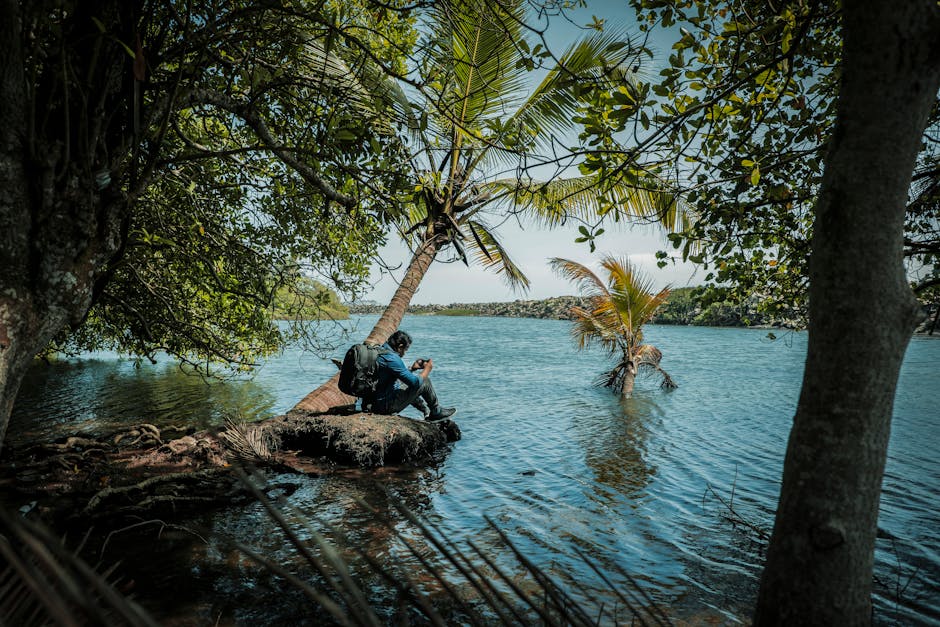
For photographers, the best time to visit El Nido is during the transition from the dry season to the rainy season (late May). The air is incredibly clear before the rains start, but you get dramatic cloud formations that make for much more interesting sunsets than the cloudless blue skies of February. The light in El Nido is harsh during the middle of the day because of the white sand and light-colored limestone. To get the best shots, you want to utilize the “Golden Hour”—typically between 5:00 PM and 6:00 PM—when the sun hits the cliffs of Cadlao Island.
Capturing the vibrant turquoise of the water can be tricky because the camera often struggles with the high contrast. This is where software becomes a necessary part of the travel kit. Adobe Lightroom (approx. $9.99/month via the Creative Cloud Photography plan) is the industry standard for a reason. Pros: Its ability to recover details from shadows and highlights is unmatched, and the mobile version allows you to edit on the fly while you’re still on the boat. Cons: The subscription model means you never truly own the software, and it has a steep learning curve for beginners. Using a circular polarizer on your camera lens is another practical tip; it cuts through the surface reflection of the water, allowing the camera to see the coral and sand beneath.
If you are using a drone, be aware that the wind is your biggest enemy. The Amihan winds in January can be quite gusty, making it dangerous to fly near the sharp limestone cliffs. The calmer winds of April and May are much safer for aerial photography. Always check the local regulations, as certain areas within the protected lagoons are no-fly zones to preserve the peace for other visitors and protect the local bird populations.
Ultimately, the best time to visit El Nido Palawan is a compromise between your budget and your tolerance for rain. If you want the postcard-perfect experience and don’t mind the crowds, aim for February. If you want the best value and don’t mind a few afternoon showers, May and November provide the most balanced experience for a modern traveler.