How can a first visit cover Cape Town and the Cape Peninsula without turning every day into a race against traffic, wind and closing times? The answer is a route built around geography, not a long list of attractions. Cape Town’s city centre, mountain, southern suburbs and peninsula each need a different pace. A practical plan also leaves room for weather changes, road delays and the simple fact that some viewpoints deserve more than ten rushed minutes.
What should a first Cape Town itinerary solve?
Why geography matters more than a checklist
Cape Town looks compact on a map, but the useful travel areas are separated by mountains, coastal roads and busy junctions. A morning in the city centre can pair well with Bo-Kaap and the Company’s Garden. It does not pair efficiently with Cape Point. That southern journey can take most of a day even when the distance appears modest.
The underlying problem is not a lack of sights. It is poor sequencing. City sights work best together, while the peninsula needs one continuous southbound route. Treating every stop as a separate excursion creates repeated driving and leaves little daylight for walks, viewpoints or delays.
The three questions a good plan must answer
First, which places belong on the same day? Second, which activities need a weather backup? Third, where should the schedule remain flexible? The strongest answer combines two city days, one full peninsula day, one slower coastal or mountain day and one buffer day. That structure gives the trip shape without pretending that Cape Town’s conditions are fixed.
The best principle is simple: group locations by direction, reserve the longest road day for clear weather and protect one day from overplanning. This is a more reliable strategy than trying to collect every famous viewpoint.
How many days are needed for Cape Town and the Peninsula?
When a shorter visit changes the answer
With only two full days, the clearest choice is one city day and one peninsula day. A mountain visit should move into the city day only if visibility is good and access is operating. With more than five days, the extra time should not be filled automatically. Use it for a second coastal walk, a museum visit or a weather-dependent activity that could not safely fit into the original plan.
This schedule is a planning model, not a promise of operating hours or road conditions. Check official access information shortly before each outing, especially during strong wind, heavy rain, fire danger or road maintenance.
How should Cape Town’s city days be arranged?
A practical order for the first three days
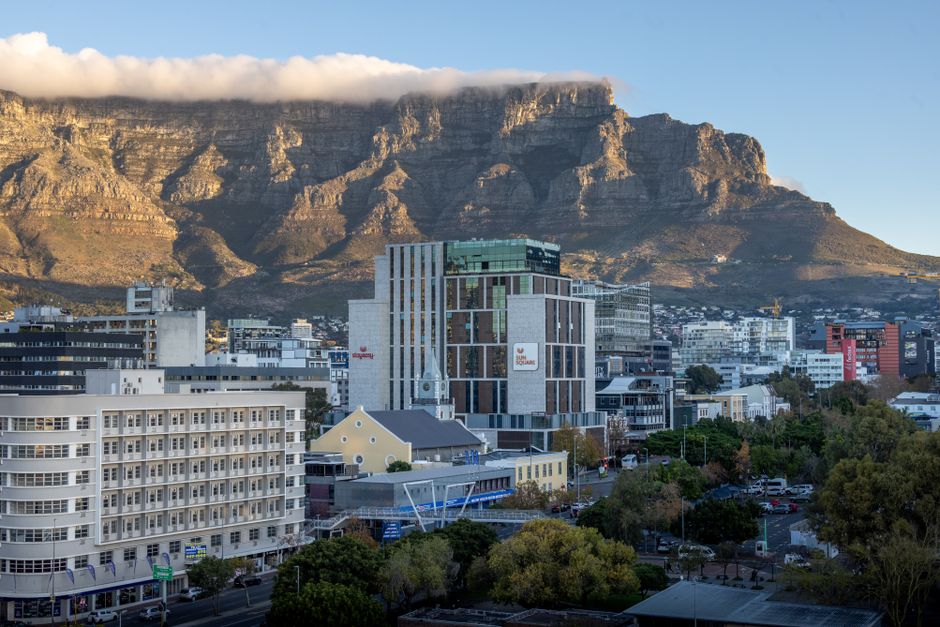
- Begin with the city centre. Walk between the Company’s Garden, nearby historic streets and Bo-Kaap rather than crossing the city for isolated stops. Keep the route mostly level and allow time for museums, cafés and changes in pace.
- Check the forecast and access status before leaving. If visibility is poor, switch to gardens, museums or neighbourhood walks.
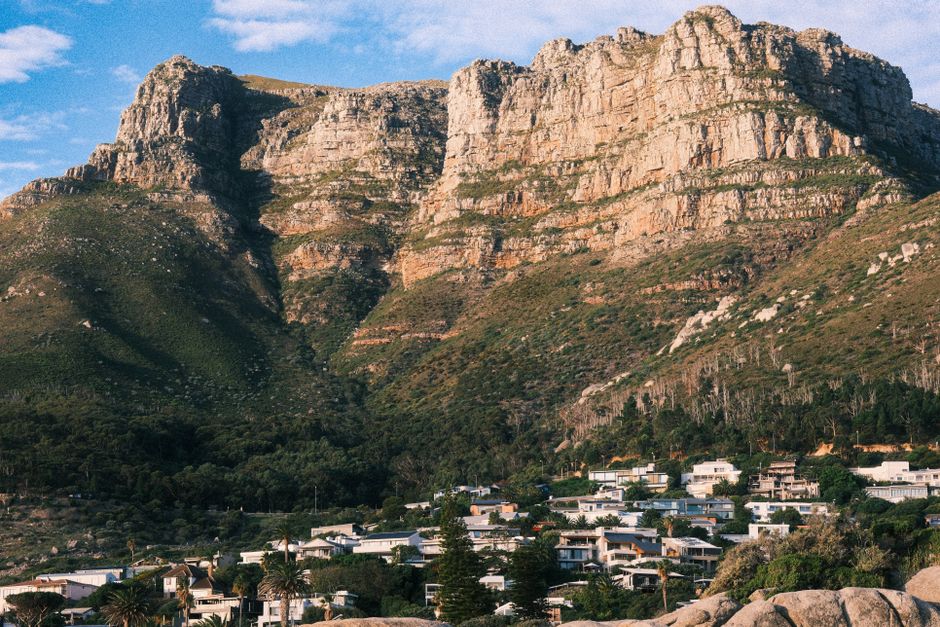
- Pair the mountain with the southern suburbs. Kirstenbosch sits naturally on the same side of the city and works better as part of a southern route than as an afterthought on a peninsula day.
- Keep the evening local. After a mountain visit, avoid scheduling a distant dinner reservation. Fatigue and traffic make a short return route more valuable than another landmark.
Why this order earns the time
The city day builds context before the landscape days begin. The mountain day stays flexible because cloud and wind can change quickly. Kirstenbosch adds a lower-effort outdoor option when a summit plan becomes unsuitable. This sequence also reduces backtracking, which is one of the most common causes of wasted time on a first visit.
A visitor who wants the strongest city view should place the mountain visit on the clearest available day, not automatically on day two. That single adjustment often improves the entire itinerary.
What is the best Cape Peninsula route?
The clear recommendation: drive south in one direction
The best peninsula plan is a clockwise-feeling southbound journey with an early start. Begin near Cape Town, continue through Hout Bay and the coastal roads, reach Cape Point before the afternoon rush, then return through the eastern side via Simon’s Town and Boulders. The route can cover roughly 100–130 kilometres depending on detours, and eight to ten hours is a safer planning range than a compressed half-day.
Chapman’s Peak Drive may offer a memorable coastal section when open, but it should never be treated as guaranteed. Wind, rockfall, maintenance and traffic controls can change access. If that road is unavailable, the inland alternative remains useful; the day does not need to be cancelled.
Where to spend time instead of collecting stops
Hout Bay works as a first coastal pause. Cape Point deserves enough time for the walk, viewpoints and orientation rather than a photograph beside the car. Boulders is best handled with patience and distance from wildlife. Simon’s Town can provide a later meal or a quieter harbour stop before the return journey.
The tradeoff is clear: a peninsula day offers variety but little room for repeated detours. Choosing three meaningful stops is stronger than attempting every beach, lookout and short trail. The route succeeds when daylight remains for the return journey.
Which Cape Peninsula mistakes cause the most trouble?
Common planning failures
- Starting late: a late departure pushes the busiest roads and leaves the most distant sights for the least flexible part of the day.
- Trusting one forecast: conditions can differ sharply between the city, Cape Point and the eastern coast. Check the forecast for each area.
- Ignoring wind: strong gusts can make exposed viewpoints unpleasant or unsafe, even when the temperature feels mild.
- Leaving valuables visible: bags, cameras and luggage should stay out of sight, especially at isolated pull-offs and empty parking areas.
- Underestimating walking: short map distances can include steep paths, steps, uneven ground and exposed surfaces.
- Planning the return too tightly: a missed turn, wildlife pause or access delay can affect the entire final leg.
What should be avoided altogether?
Do not force a mountain or cliffside outing during unsafe weather simply because it was booked in advance. Do not approach wildlife for a closer photograph, and do not assume that a quiet road is safe for stopping anywhere. The most sensible alternative is to move the outdoor activity to the buffer day and use a city museum, garden or neighbourhood walk when conditions deteriorate.
Road rules, parking restrictions and protected-area requirements can change.
How do weather, access and safety change the plan?
What happens when the mountain is covered in cloud?
Move the mountain activity rather than treating cloud as a minor inconvenience. A summit without visibility may still provide a walk, but it does not deliver the main reason many visitors choose the outing. Use the city centre, Bo-Kaap, a museum or Kirstenbosch as the replacement, then check conditions again the next morning.
What should be checked before a peninsula day?
Check road access, wind, rain, daylight, protected-area notices and the return route. Keep water, sun protection, a warm layer and sturdy footwear available because coastal conditions can shift during a single drive. Avoid isolated trails late in the day, stay on marked routes and share the planned route with a travel companion.
What is the safest transport judgment?
For the full peninsula circuit, a confident driver with a planned route has the most control over timing, but unfamiliar roads and fatigue can change that judgment. A reputable guided transfer may be the better choice for travellers who do not want to manage navigation, parking and long-distance driving. The right choice is the one that leaves enough attention for the road and enough daylight for the return.
What is the clearest verdict for a five-day trip?
The strongest allocation
Use two days for Cape Town itself, one full day for the Cape Peninsula, one flexible coastal day and one weather buffer. This is the most balanced structure because it protects the trip’s essential landscapes without making every morning depend on perfect conditions. It also leaves room for a missed mountain visit, a closed coastal road or a slower afternoon after a long drive.
The takeaway for route decisions
Prioritise the mountain and peninsula when the weather is favourable, but do not assign them permanently to fixed calendar dates. Keep city history and neighbourhood exploration for less predictable days. For the peninsula, choose a small number of stops, start early and plan the return before the first viewpoint. The single most important takeaway is this: a Cape Town itinerary works best when geography sets the order and weather sets the final timing.