
Choose the route before choosing the boat
The route matters more than the vessel. Ha Long Bay, Lan Ha Bay and Bai Tu Long Bay offer different scenery, crowd levels and activity patterns, so booking the first available sailing can produce the wrong kind of trip.
Ha Long Bay, Lan Ha Bay or Bai Tu Long Bay?
| Route | Best for | What to expect | Main tradeoff |
|---|---|---|---|
| Ha Long Bay | First-time visitors | Classic limestone towers, busy viewpoints and familiar sightseeing stops | More boats and a busier feel |
| Lan Ha Bay | Swimming and quieter coves | Smaller beaches, floating villages and a wider range of water activities | Some itineraries spend less time among the most famous formations |
| Bai Tu Long Bay | Peace and open water | Less developed scenery, calm anchorages and a slower rhythm | Longer transfers can reduce time on the water |
Match the route to the trip
Choose Ha Long Bay for a first visit built around dramatic views and famous landmarks. Choose Lan Ha Bay for kayaking, swimming and a less crowded setting. Choose Bai Tu Long Bay when quiet water and a relaxed pace matter more than checking off every landmark.
Check the exact route before paying. A cruise may use one bay for its name but spend much of the itinerary in another area. The port, transfer time, overnight anchorage and planned activities reveal more than the marketing title.
A two-night cruise is the clear winner
Why one night feels rushed
A one-night Ha Long Bay cruise works for a tight schedule, but it compresses the entire experience into a short window. Transfer delays, port procedures, lunch, cabin check-in and the return journey can consume much of the usable time. The first afternoon often includes one activity, one scenic passage and dinner before the boat anchors. The next morning starts early, leaving little room for weather delays or a change of plan.
Why two nights gives the bay room to breathe
A two-night sailing gives the first day to the main route and the second day to a quieter cove, cave, beach or village. It also creates a buffer when fog cancels kayaking or rough water changes the schedule. The one-night option suits a stopover; the two-night option suits a destination.
Expect a structured day, not a free-form island trip
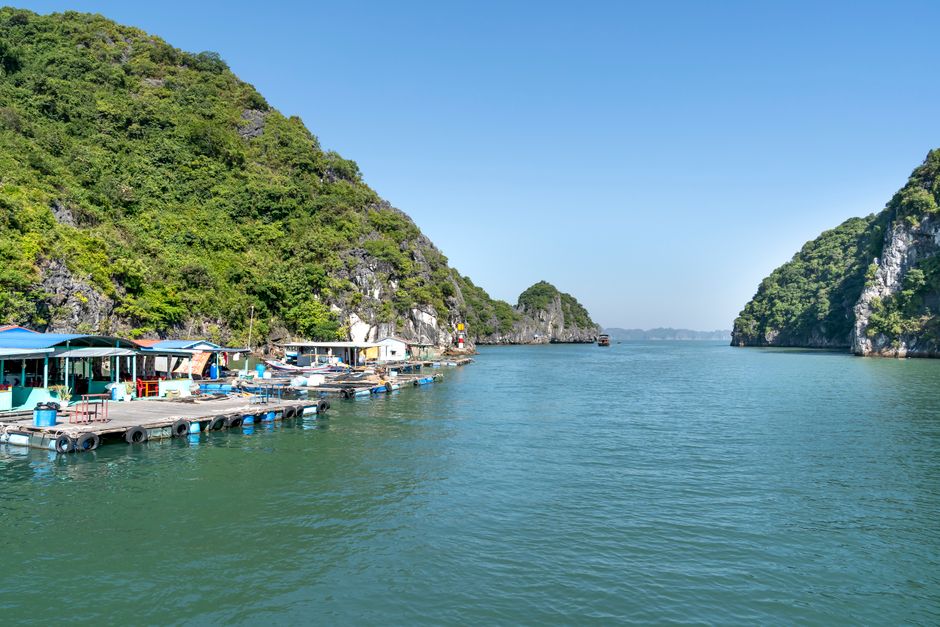
A Ha Long Bay cruise follows a timetable. That structure keeps transfers, meals and shore activities moving, but it also limits spontaneity. The best itineraries balance planned stops with quiet stretches on deck, where the limestone scenery does most of the work.
Morning: port departure and the first views
Most schedules begin with a transfer to the port, registration and a short safety briefing. After boarding, lunch often comes before the boat reaches the main scenery. The first afternoon may include a cave, viewpoint, beach or kayaking stop. Wear footwear that handles wet steps and uneven paths. Shore excursions can involve tenders, short climbs and slippery rock, even when the boat itself feels comfortable.
Afternoon: choose one active outing
Kayaking offers the closest look at arches, hidden coves and floating communities, but it requires paddling and getting in and out of a small craft. A bamboo boat ride demands less effort and suits travelers who prefer a guided visit. Swimming sounds simple, yet water temperature, currents and weather can change the plan. The correct choice is the activity that matches the body and the day, not the activity with the best photograph.
Evening and the second day
Evenings are quiet rather than party-focused. Expect dinner, open-air views, conversation, reading and an early start the next morning. Some schedules add squid fishing or a cooking session, but these are extras, not reasons to book a route. On the second day, the boat may move to a less visited area before returning toward port. Keep the final morning light because disembarkation and the onward transfer can take longer than expected.
Build the booking around five practical checks
Do not start with the cabin photo. Start with the operating details. Use this order when comparing itineraries:
- Confirm the route. Look for the named bay, overnight anchorage and main shore stops. A vague route description is a warning sign.
- Check the transfer plan. Find out the meeting point, approximate road time and what happens if traffic delays the departure.
- Read the activity list. Separate included outings from optional activities and check how much walking, climbing or paddling they require.
- Inspect the cabin location. Cabins near engines, kitchens, stairs or public decks can be noisier than cabins in the middle of the vessel.
- Review the weather policy. Authorities can cancel or shorten sailings during storms, dense fog or unsafe sea conditions.
Choose the cabin for sleep, not the photograph
A window adds scenery, but a quiet location matters more for a short trip. Travelers sensitive to movement should choose a lower, central cabin when available. Travelers who care most about views should accept that higher cabins may feel more motion in rough water.
Check what happens after cancellation
Ask how a canceled sailing is handled before booking transport around it. A clear policy should explain refunds, replacement land activities and the responsibility for unused hotel nights or onward connections. Weather is outside the operator’s control; unclear communication is not.
Pack for wet steps, changing weather and limited space
Pack light and bring shoes with grip. That single decision prevents more discomfort than any extra outfit. Cabins are compact, wet activities are common and the trip usually involves a road transfer before and after the sailing.
The useful packing list
- Quick-drying clothes and one warm layer for wind on the upper deck
- Sandals or trainers with secure soles for stairs, caves and shore paths
- Swimwear, a small dry bag and a lightweight rain layer
- Sun protection, insect repellent and any regular medication
Leave the heavy luggage behind
Large cases make transfers awkward and leave little room in the cabin. A compact bag is enough for a one- or two-night sailing. Keep documents, medication, phone, charger and valuables in a day bag that stays accessible during boarding. Do not assume every activity area has a secure place for loose belongings.
Pack for the season rather than the calendar alone. Humidity can make light clothing feel clammy, while winter mornings can feel cool and grey. The bay may look different from the bright promotional photographs, especially during misty weather. That is normal, not a sign that the trip has failed.
What can go wrong on a Ha Long Bay cruise?
Will bad weather cancel the sailing?
It can. Port authorities may stop departures when conditions become unsafe, and operators may shorten routes when wind, fog or storms arrive. Keep the day before and after the cruise flexible when possible. A land-based backup near the port removes pressure from the decision.
What if seasickness becomes a problem?
Do not wait until the boat leaves to react. Eat a light meal, avoid heavy alcohol and choose a central lower cabin when possible. Fresh air and a fixed point on the horizon can help. Travelers with a history of motion sickness should ask a health professional about suitable medication before the trip.
What is the most common booking mistake?
The most common mistake is judging a sailing by photographs instead of the route and schedule. A beautiful cabin cannot repair a rushed itinerary, a long transfer or an activity plan that does not suit the travelers. Another mistake is booking an onward flight or train too soon after disembarkation. Leave a generous buffer for traffic, port delays and weather changes.
Pick the cruise plan that matches the trip
The best Ha Long Bay cruise is the one that gives the right amount of time, movement and quiet. A first visit does not need the longest activity list. It needs a clear route, a realistic schedule and enough space for the bay to feel larger than the timetable.
Three clear choices
| Travel goal | Best plan |
|---|---|
| First visit with limited time | One-night cruise on the classic route |
| Scenery, swimming and a calmer pace | Two-night cruise through Lan Ha Bay |
| Peace and slower travel | Two-night cruise through Bai Tu Long Bay |
The final verdict
For most travelers, the two-night option is the best choice because it protects the experience from delays and leaves time for both scenery and rest. Choose one night only when the wider itinerary matters more than time on the water. Before booking, confirm the route, transfer, cabin position, activity demands and weather policy. Those five checks matter more than decorative details, and they turn a generic boat trip into a Ha Long Bay itinerary that fits the actual journey.