Banff and Lake Louise are not two separate mountain holidays. They sit inside the same dramatic region, but they offer very different travel experiences. Lake Louise feels quieter, more scenic and more dependent on advance planning. The common mistake is to treat both places as interchangeable bases. A better trip gives each one a clear role.
This guide explains how to divide time between them, how to plan around crowds and weather, and which popular stops deserve priority.
Banff or Lake Louise: Which Base Works Best?
Banff is the better main base for most first-time visitors. It has more evening activity, easier access to short walks and a wider range of day-trip options. Lake Louise makes the stronger choice for travelers who want early trail starts, quiet mornings and quick access to high mountain scenery.
| Travel factor | Banff | Lake Louise |
|---|---|---|
| Atmosphere | Lively mountain town with more activity after dark | Small scenic settlement with a quieter evening pace |
| Best for | First visits, mixed interests and flexible day plans | Hiking, sunrise views and mountain-focused trips |
| Access to services | More restaurants, groceries, visitor services and local transport | Fewer services and less flexibility if plans change |
| Scenery | River valleys, peaks, lakes and accessible viewpoints | Iconic lake scenery and direct access to major trails |
| Suggested stay | Three nights | One or two nights |
The practical verdict
For a five-day trip, use Banff as the anchor and spend at least one full day around Lake Louise. A split stay works well when hiking is the main goal, but moving accommodation can waste time during busy periods. The drive between Banff and Lake Louise takes roughly 45 to 60 minutes in clear conditions, yet traffic, construction and crowded parking can stretch that window. The scenery is close on a map and less predictable on the road.
How to Build a Five-Day Banff Itinerary
The strongest itinerary leaves room for weather changes. Mountain forecasts can shift quickly, and a cloudy morning can become a clear afternoon. Place the most weather-sensitive viewpoints and longer hikes on flexible days rather than locking every hour into a fixed schedule.
- Day one: settle into Banff. Walk through the town centre, follow an easy riverside route and use the first evening to check weather, trail conditions and transport reservations. Avoid scheduling a demanding hike after a long journey.
- Day two: explore Banff’s nearby viewpoints. Choose a short lake walk, a waterfall or canyon route, and a high viewpoint if visibility allows. Keep the day varied instead of spending every hour on one trail.
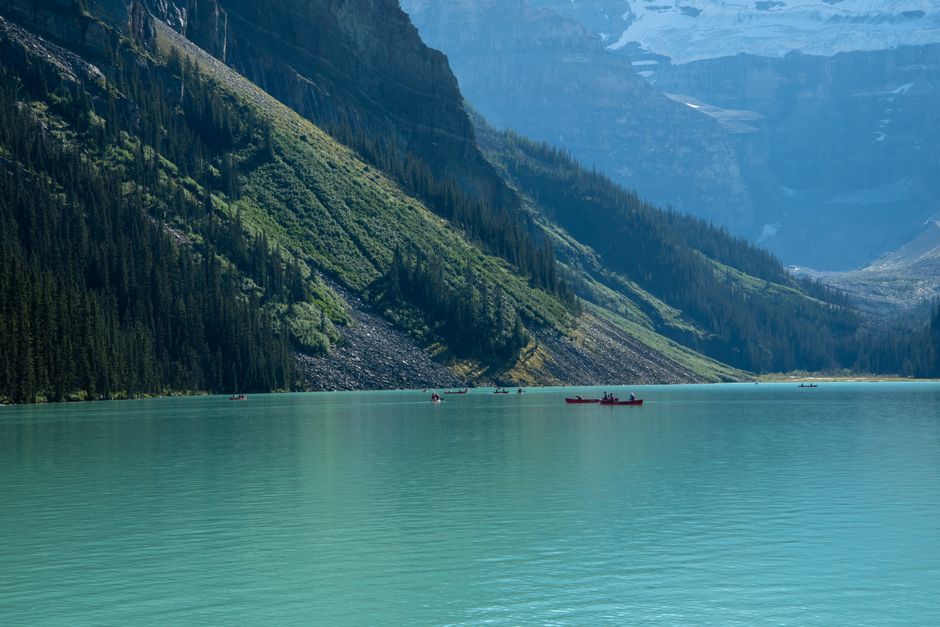
- Day three: visit Lake Louise. Arrive early, walk beside the lake and continue toward a higher viewpoint only if conditions, energy and trail access line up. The lakefront is worthwhile even when cloud hides the peaks.
- Day four: reserve for the best forecast. Use this day for a longer hike, a scenic drive or a return to the area that looked most impressive. Flexibility matters more than covering another name on a map.
- Day five: choose a slower finish. Take a short walk, revisit a favourite viewpoint or leave time for the journey onward. Rushing through one final landmark rarely improves the trip.
What a First Visit Feels Like on the Ground
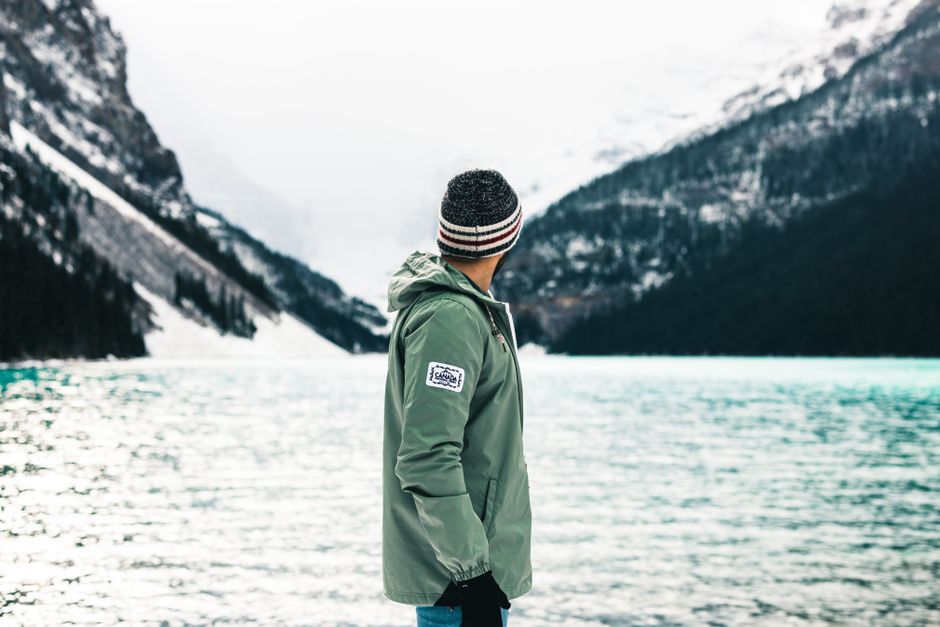
The scale is larger than photographs suggest. Peaks rise sharply from the valley, roads follow rivers and lakes appear suddenly after stretches of forest. That scenery creates a misleading sense that every stop sits within walking distance. Banff and Lake Louise connect easily by road, but individual viewpoints, trailheads and lakes often require separate transport plans.
Expect busy access to famous places
The most photographed locations attract visitors early and late, not only during the middle of the day. A sunrise arrival can improve the experience, but it does not guarantee solitude. Some popular areas now use timed access, shuttles or parking controls. Treat those systems as part of the destination rather than an inconvenience added later. A reservation may determine whether the visit happens at all.
Expect weather to change the meaning of a day
Clear skies reveal the full shape of the mountains, while cloud can make the same lake feel darker, quieter and more enclosed. Rain may close higher trails, and fresh snow can arrive outside the main winter season. Pack layers, protect maps and phones from moisture, and avoid building the entire itinerary around one viewpoint. The region rewards visitors who can change direction without treating a weather adjustment as a failed day.
Altitude also affects comfort. Banff sits at about 1,383 metres, while Lake Louise sits around 1,600 metres. Most visitors adjust without serious trouble, but fast walking, poor sleep and dehydration can make the first day feel harder than expected. Keep the opening walk easy, drink regularly and allow extra time on uphill sections.
How to Handle Trails, Weather and Wildlife Safely
Use this checklist before leaving a town, car park or shuttle stop:
- Check the latest trail report, road status and weather forecast on the morning of the outing.
- Choose a turnaround time before starting a long trail. Do not extend the route simply because the view remains attractive.
- Carry enough water for the full route, plus a small margin for delays.
- Wear footwear with a secure grip. Wet roots, loose gravel and old snow can appear on trails that look easy from town.
- Stay on marked paths and keep a safe distance from wildlife. Never approach animals for a photograph.
- Make noise around blind bends and keep food sealed. Wildlife encounters can happen near roads, campsites and popular paths.
- Tell someone the planned route and expected return time when hiking beyond the busiest short walks.
The clearest safety rule is simple: choose the trail for the conditions, not for its reputation. A famous route covered in ice, smoke or heavy rain may offer less enjoyment and more risk than a modest valley walk. High trails deserve extra caution because storms, wind and poor visibility can arrive before help is nearby.
When to skip a planned hike
Skip or shorten a route when thunder builds, smoke blocks visibility, trail reports mention unstable snow, or the return time would extend into darkness. A missed trail can be attempted on another day. A rushed decision on a remote slope cannot be undone so easily.
What First-Timers Get Wrong
Is one day enough for Lake Louise?
One day can cover the lakefront, a short walk and one major viewpoint, but it will feel compressed if transport starts late or crowds slow the route. A full day works best when the schedule begins early and includes only one main trail goal. Travelers who want several hikes should give Lake Louise two days or accept that some stops will remain on the next itinerary.
Should every famous lake be included?
No. Adding every well-known lake creates long transfers, repeated viewpoints and less time walking. Choose one or two major scenic areas, then add a short route near them. The strongest first trip balances iconic scenery with unplanned pauses rather than collecting locations like checklist entries.
What is the biggest transport mistake?
Leaving parking and shuttle planning until arrival. In busy months, a late start can turn a short visit into a day spent searching for access. Confirm the rules for each destination before departure, then keep a nearby alternative ready. A flexible plan protects the trip when the original access window disappears.
When should visitors avoid the busiest season?
Travel outside the busiest summer weeks if lower crowds matter more than warm hiking weather. Spring can bring muddy trails and limited access. Autumn offers cooler air and changing colour but shorter daylight. Winter creates a different trip built around snow, ice and road conditions. The best season is the one that matches the planned activities, not the one with the most famous photographs.
Banff and Lake Louise Compared at a Glance
Banff and Lake Louise serve different purposes, so the best choice depends on what the trip needs to accomplish. For a first visit with mixed interests, Banff deserves more nights. For early starts and concentrated mountain scenery, Lake Louise earns the extra time.
| Choose this area | Best match | Main trade-off |
|---|---|---|
| Banff | First-time visitors who want flexibility, services and varied day trips | More activity and crowds in the town centre |
| Lake Louise | Travelers focused on lakes, trails and early access to mountain scenery | Fewer services and stricter access planning |
| Both areas | A five-day trip with one base and one focused day trip | Travel time must be planned around traffic and reservations |
The clearest first-timer plan is three nights in Banff, one or two nights near Lake Louise when hiking is central, and one flexible day protected for weather. That structure leaves room for the region’s real character: grand views, changing conditions, busy access points and quiet stretches that appear only when the schedule has space.