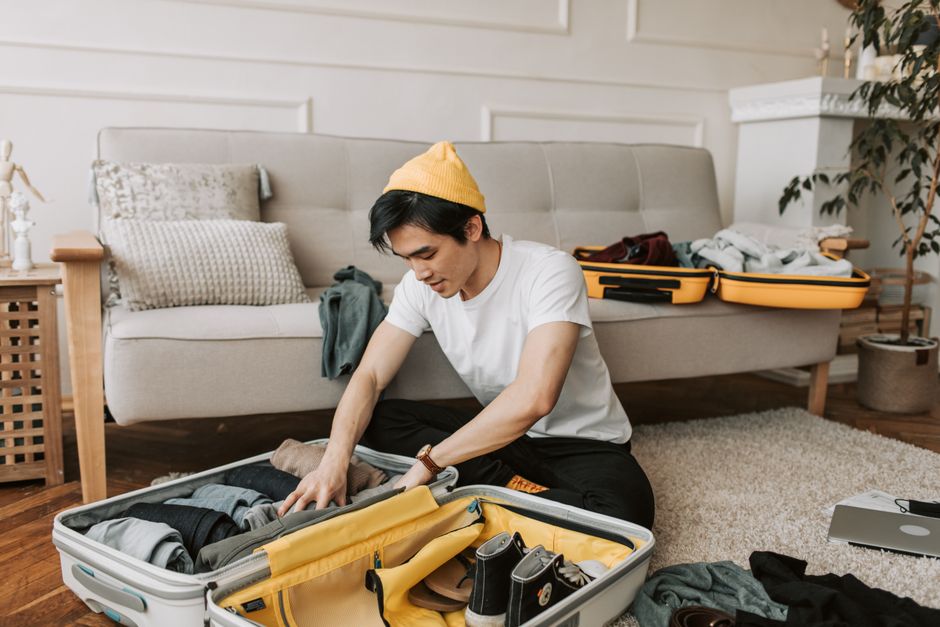
A two-week trip becomes harder when every transfer means lifting, dragging, and unpacking a heavy bag. The better plan is simple: pack for a short cycle, build laundry into the itinerary, and leave room for changing weather and local customs.
Why packing for two weeks should feel like packing for four days
The most useful packing limit is four to five days of clothing. A two-week journey rarely needs fourteen separate outfits because most travelers repeat the same activities: walking, eating, sleeping, sightseeing, and moving between places. The bag becomes lighter when those activities share a small set of layers.
Start with the trip’s movement, not the calendar
Count the number of hotel changes, not the number of nights. A route with three bases is easier to pack for than a route with seven stops, even if both last fourteen days. Every extra transfer creates a reason to carry less, keep clothing organized, and avoid items that need special care. For a city-and-coast itinerary, one walking outfit, one cleaner evening outfit, and one warm layer can cover most days.
Use a small clothing system
Build around five tops, three bottoms, one light outer layer, one warmer layer, underwear for five days, and sleepwear. Choose colors that work together so every top matches at least two bottoms. Shoes should cover the main walking conditions and one secondary need, such as a casual dinner or light trail. Two pairs are enough for most trips; a third pair usually adds weight without adding much value.
Leave space for real travel conditions
Light packing does not mean ignoring rain, heat, modest dress rules, or cooler evenings. It means choosing one item that solves several problems. A long-sleeved shirt can protect against sun, work inside a religious site, and add warmth on a late train. A thin scarf can cover shoulders, block dust, and make a basic outfit suitable for a more formal setting. The clear verdict: pack versatile layers before packing special outfits.
Build the bag around laundry, weather, and local customs
A laundry stop turns a fourteen-day trip into three short clothing cycles. Plan it before departure instead of waiting until every item is dirty.
| Trip stage | Clothing carried | Plan | What to expect |
|---|---|---|---|
| Days 1–4 | Full four-day rotation | Keep one outfit ready for arrival | Transit days create sweat and wrinkles |
| Days 5–6 | Repeat the cleanest pieces | Use a local wash service or sink wash | Drying can take longer in humid rooms |
| Days 7–10 | Second rotation begins | Schedule the main laundry stop | Allow one day for clothes to return |
| Days 11–14 | Clean basics plus one spare layer | Keep a small reserve for delays | Weather may change near the end of the route |
Choose laundry timing that protects the itinerary
The best laundry day is usually a slower evening after arrival at a base for two or more nights. Avoid washing before an early departure or on a day packed with outdoor activities. In smaller towns, drying may take a full day, so wash lightweight pieces first and keep one complete outfit separate.
Pack for the local setting
A respectful cover-up often weighs less than a separate formal outfit. Also check the likely weather by region, not just the national forecast. Mountain areas, coastal towns, and heavily air-conditioned trains can feel completely different on the same day.
Shape the itinerary so the bag stays small
The route itself can reduce packing. A slow itinerary creates fewer clothing emergencies, fewer misplaced items, and fewer reasons to carry gear for every possible activity.
- Choose two or three main bases. Spend four or five nights in each base instead of changing accommodation every day. This gives laundry, rest, and weather flexibility a place in the schedule.
- Group similar activities. Put museums, historic centers, and food markets together. Save coast walks, countryside visits, or mountain routes for a separate block. This keeps specialized clothing to one small layer rather than several complete outfits.
- Plan one flexible day per week. A flexible day can absorb rain, transport delays, or a late laundry return. It also prevents the common mistake of packing formal clothing for every planned dinner.
- Keep one transit outfit ready. On long train or bus days, wear the bulkiest comfortable layer and keep one clean top accessible. The first evening becomes easier when the entire bag does not need to be opened.
- Expect the route to change. A two-week plan should survive one missed connection or an unexpected cold day. Leave a little space and keep documents, medication, and a spare layer easy to reach.
For most travelers, the winning itinerary is a slow loop with one city base, one smaller town, and one nature or coastal stop. It offers variety without demanding separate wardrobes.
Common light-packing questions with practical answers
How many outfits are enough for fourteen days?
Four complete daily combinations are enough when laundry is scheduled. Add one cleaner combination for evenings and one warm layer. Underwear and socks need a five-day supply unless washing will happen earlier. Packing fourteen outfits is the fastest way to fill the bag with clothing that spends most of the trip unused.
What should stay out of the bag?
Leave out duplicate shoes, large towels, multiple heavy jackets, full-size toiletries, and clothing that only works for one imagined event. Avoid packing for extreme weather unless the forecast or route makes it likely. A heavy item that solves one rare problem is usually a poor trade.
When should light packing not be the priority?
Do not force a small bag when the trip includes technical outdoor activity, formal events, winter conditions, remote areas, or long periods without laundry. The goal is manageable luggage, not a record-low weight. For those trips, a slightly larger bag can protect comfort and safety.
How can clothing stay organized?
Separate clean clothes from worn clothes and keep the next day’s outfit near the opening. Roll soft items, fold structured layers, and place heavier pieces near the base. The method matters less than using the same arrangement every day. Organization reduces rummaging, which often leads to overpacking at the next stop.
The best light-packing rule is a limit, not a list
Set a weight and space limit before choosing individual items. A list can grow forever, but a firm limit forces useful decisions. If the bag cannot close easily after the final check, remove duplicates before removing essentials.
The strongest two-week packing plan usually contains four days of clothing, two pairs of shoes, one adaptable outer layer, essential documents, and enough space for laundry timing to work. It also leaves room for local conditions: a modest layer for religious sites, a rain solution for wet seasons, and a warmer layer for high elevations or cold transport.
Before departure, test the packed bag by carrying it up several flights of stairs and walking for ten minutes. If the weight feels awkward at home, it will feel worse after a delayed connection. Remove the least versatile item, then test again.
That first arrival now looks different: one bag, a clear clothing cycle, no frantic search for a missing layer, and enough flexibility to handle rain or a changed plan. A two-week trip can still feel full without making the luggage feel like part of the itinerary.