Chiang Mai’s Old City is compact enough to explore on foot, yet its temples, markets, lanes, and historic gates reward a little planning. A good route leaves room for quiet courtyards, hot afternoons, changing temple schedules, and the simple pleasure of walking without rushing from one landmark to the next.
Which Chiang Mai temples fit a half-day route?
The best half-day route depends on the kind of experience wanted. Some temples are best for history and architecture, while others offer a calmer setting or a clearer sense of daily religious life.
| Temple or site | Best for | Suggested time | Route position |
|---|---|---|---|
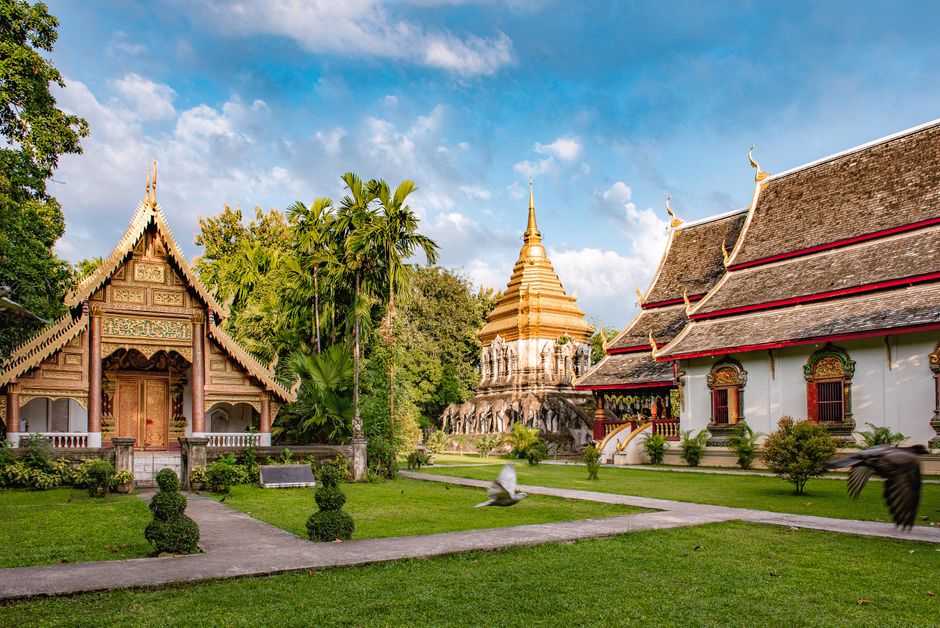
| Wat Chiang Man | Early history, old images, quieter morning atmosphere | 25 to 40 minutes | Start from the east or northeast |
| Wat Chedi Luang | Large historic structure and central location | 40 to 60 minutes | Middle of a central route |
| Wat Phan Tao | Wooden hall, detailed carving, compact visit | 15 to 25 minutes | Pair with Wat Chedi Luang |
| Wat Phra Singh | Major Lanna design and broad temple grounds | 35 to 50 minutes | Start or finish on the western side |
| Three Kings Monument | Local history and orientation around the civic centre | 10 to 20 minutes | Short stop between temples |
The strongest first-time combination
For a first visit with only half a day, the clearest combination is Wat Chiang Man, the Three Kings Monument, Wat Chedi Luang, and Wat Phan Tao. It combines early city history, a major central landmark, a large historic temple, and a smaller wooden hall without creating an overly long route. The sequence also offers different architectural scales, which makes the morning feel varied.
Wat Chedi Luang deserves the longest stop because its grounds contain several structures and viewpoints. Wat Phan Tao is close enough to visit immediately afterward, but the contrast matters: the smaller wooden hall feels intimate after the larger compound. End the route near the central lanes, where food and shaded places to rest are easier to find.
The best quieter alternative
Visitors who dislike busy landmarks can choose Wat Phra Singh, Wat Prasat, Wat Chet Lin, and smaller neighbourhood shrines near the northern or western side of the Old City. This route has less of the famous-sight checklist feeling and gives more space to notice daily details such as incense, flower offerings, bells, painted doors, and residents moving through the surrounding lanes.
Do not judge a temple only by its size. A small compound may have a beautifully preserved hall or a peaceful courtyard, while a larger site may feel crowded during a ceremony. For a slower half-day, choose two major temples and two smaller stops rather than trying to include every well-known name.
What to do on a two-day Old City itinerary
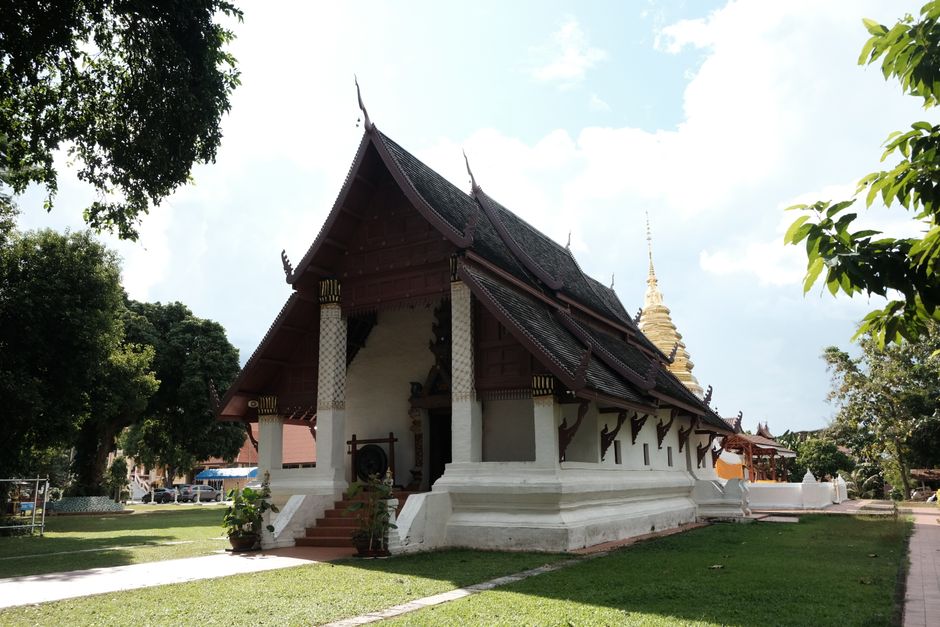
A two-day plan works best when the first day covers the central historic core and the second day leaves space for slower exploration. The schedule below is a framework, not a race. Temple access, weather, ceremonies, and personal energy should shape the final order.
- Day one, begin at Tha Phae Gate. Arrive in the cooler morning and walk west toward Wat Chiang Man. Spend time with the compound before the streets become hot. Continue to the Three Kings Monument for local orientation, then move south toward Wat Chedi Luang and Wat Phan Tao.
- Take a long midday break. The middle of the day is a poor time to force another long walk. Find shade, eat away from the busiest traffic, and drink water. Keep shoulders and knees covered if the next stop will be a temple, so there is no need to rearrange clothing at the entrance.
- Use the late afternoon for a short central walk. Return to a temple that felt rushed earlier, or explore the lanes around the main monuments. Late afternoon light can bring out details in carved wood and old brick, but some buildings may close before sunset.
- Day two, start at Wat Phra Singh. The western side makes a strong morning base. Visit the main hall and surrounding structures, then walk through smaller lanes toward Wat Prasat or Wat Chet Lin. These stops create a calmer contrast with the larger central temples.
- Look beyond the landmark route. Notice houses, spirit shrines, small workshops, and local businesses around the temple compounds. The Old City is not an open-air museum; people live and work there. Keep voices low near homes and avoid photographing private activity.
- Finish with a practical review. Before leaving, check whether any missed temple is close to the day’s route. If it requires a long detour in the heat, leave it for another visit. A shorter day with attention is more rewarding than a final hour spent walking tired and distracted.
How to move between the stops
Walking is the best way to understand the central Old City, especially on lanes away from the busiest roads. For longer transfers along the edge of the moat or beyond the walls, local shared vehicles and taxis can save energy. Agree on the destination before setting off and keep a map pin ready, since similar temple names can confuse drivers and visitors.
Traffic is usually manageable on smaller lanes but can be unpredictable at gates and major intersections. Look both ways even on apparently quiet roads, and step aside when motorbikes approach. Do not walk in the roadway simply because a pavement narrows; wait for a safe opening or use a parallel lane.
How to handle changing weather
Rain can arrive quickly during the wet season, turning smooth stone and tiled surfaces slippery. A light waterproof layer and a small bag for phones and documents make the day easier. During hotter months, begin earlier and reduce the number of stops. Late winter and spring can bring smoke from regional agricultural burning, and air quality may affect outdoor plans. Check local conditions before committing to a long walking day.
What should visitors know before entering a temple?
What clothing and behaviour are appropriate?
Cover shoulders and knees, remove shoes before entering halls where required, and keep voices low. Loose, breathable clothing works well in the heat, but beachwear is not suitable for active religious compounds. Carry a light layer that can cover the upper arms and knees when needed.
Never point feet toward a Buddha image, monk, or altar. Sit with legs folded to the side or behind the body, and avoid climbing on walls, chedis, statues, or decorative structures. Ask before photographing people, ceremonies, or monks. Some areas may have separate access rules for men and women, or may be closed during worship. Follow signs and staff directions without argument.
Can visitors enter every building?
No. Some halls are open to visitors, while others are reserved for worship, restoration, or monastic use. A doorway may appear public but still lead into a restricted area. Watch how local visitors move, look for signs, and wait if a ceremony is underway.
Women may encounter restrictions around particular objects, monk areas, or relics. These rules differ by temple and can change with religious events. When uncertain, ask politely at the entrance rather than relying on assumptions. A respectful pause protects the atmosphere of the site and prevents an avoidable mistake.
How can a visit support the local community?
Use calm, respectful behaviour and spend time in neighbourhood businesses outside the temple gates when appropriate. Keep rubbish with you until a bin is available, avoid loud bargaining in religious spaces, and do not touch offerings or ritual objects. Photography should never interrupt prayer or turn a ceremony into a backdrop.
Small actions matter. Entering quietly, dressing properly, and leaving a courtyard as clean as it was found will usually create a better experience for everyone than trying to see every corner quickly.
When should visitors skip the full walking circuit?
Skip the full circuit if the heat, smoke, rain, or crowds are already making the visit unpleasant. Chiang Mai’s Old City is best explored with enough attention to notice its details, not with a target number of temples to complete.
Choose a shorter route when conditions are poor
On a very hot day, select two nearby temples and make the rest of the time about shaded streets, a long meal, or a return to a favourite courtyard. During poor air quality, reduce outdoor exposure and check local health guidance. If rain has made walkways slick, use shorter transfers and avoid rushing across roads or polished floors.
Visitors with limited mobility should also avoid assuming that every historic compound is easy to navigate. Entrances may include steps, uneven paving, narrow doorways, or surfaces that become slippery. A shorter route near the centre makes it easier to stop, rest, or change plans.
Choose a different experience when temples are not the main interest
Not every visitor needs a temple-heavy itinerary. Those more interested in food, crafts, neighbourhood life, or mountain scenery can visit one major temple in the morning and use the rest of the day elsewhere. The Old City works well as part of a wider Chiang Mai plan rather than as a challenge to complete in one sitting.
The clearest choice for most first-time visitors is one carefully planned half-day followed by a second, slower morning. That balance leaves enough time for the major temples while preserving the quiet, observant pace that makes the Old City memorable.