Trying to see Munich in two days without spending the whole trip on public transport? Start in the old town, walk through the English Garden from south to north, and save the beer halls for the evening. That route covers the city’s main sights while leaving enough time for food, people-watching and the small details that make Munich feel different from other European capitals.
The city is easy to explore, but poor planning creates wasted time. Marienplatz gets crowded late in the morning, the English Garden is larger than many visitors expect, and a beer hall visit works better when treated as a meal rather than a quick drink.
The Best Munich Route Starts at Marienplatz
Begin before the central square gets crowded
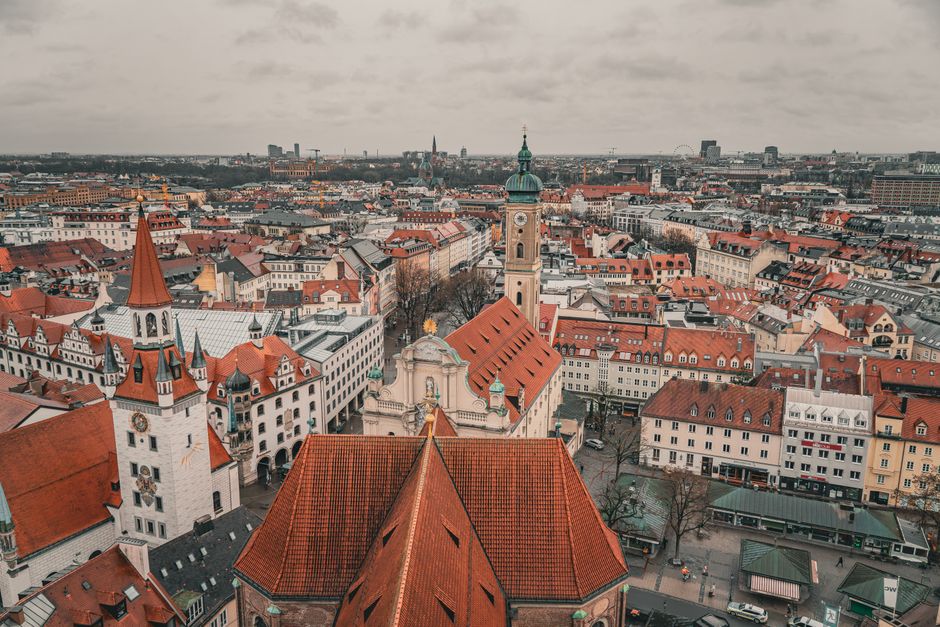
Marienplatz is the right starting point because it puts Munich’s historic centre within walking distance. Arrive in the morning, when the square is easier to photograph and the surrounding streets still feel calm. The New Town Hall dominates the view, but do not spend the whole visit staring at its façade. Walk around the square, check the details on the building, then move toward the side streets leading to the old market and the churches.
From Marienplatz, the main sights form a compact route. The old market area is only a few minutes away. The cathedral stands close to the square, while the Residenz and the Bavarian State Opera sit farther east. None of these stops requires a complicated transfer. The strongest plan is simple: choose one major interior visit, then keep walking outdoors.
Use a route that protects the afternoon
Do not schedule three museums before lunch. Historic interiors take longer than expected, especially if audio guides, queues or temporary exhibitions are involved. A better route uses one paid or timed attraction and several free exterior stops.
| Time | Recommended stop |
|---|---|
| 08:30–09:30 | Marienplatz and nearby streets |
| 09:30–11:00 | One church, palace or museum interior |
| 11:00–12:00 | Old market area and short café break |
| 13:00–15:30 | Walk toward the English Garden |
| 18:00 onward | Traditional beer hall or local restaurant |
This schedule is more realistic than trying to collect every landmark. Munich rewards a steady pace. The best first-day verdict is clear: start early at Marienplatz, visit one major interior, and keep the afternoon flexible.
What to See Around Marienplatz Without Rushing
Choose the right landmark combination
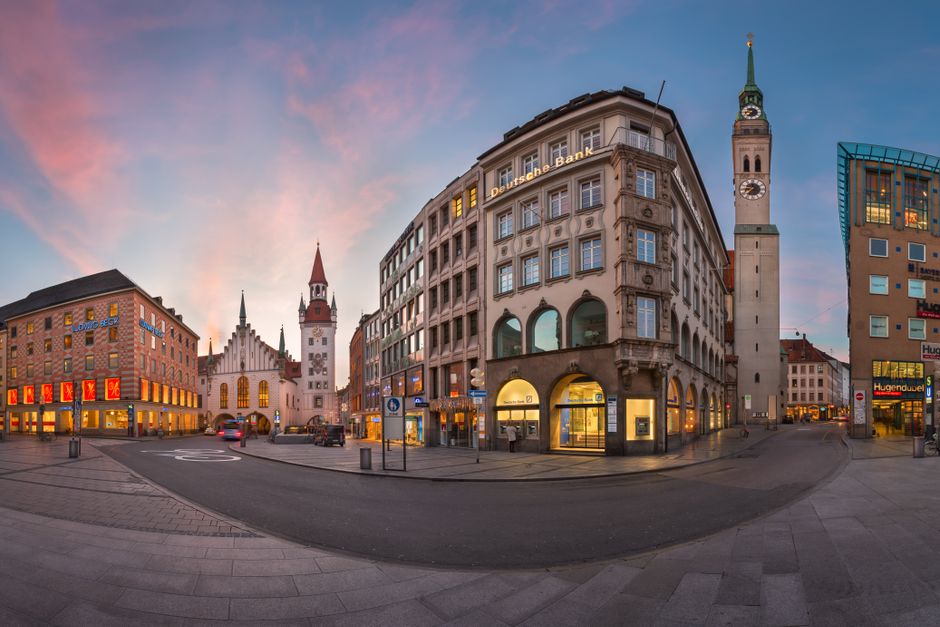
Marienplatz itself takes less than an hour unless a tower visit or special event changes the pace. The real value lies in the surrounding cluster of historic buildings. The New Town Hall provides the classic city view. The cathedral offers a much quieter interior and a strong contrast with the busy square. The old market adds food stalls, produce and everyday city life rather than another grand façade.
The best combination for a first visit is the square, the cathedral, the market and one palace or museum. That gives the morning a clear shape. Adding every nearby church usually creates repetition. Munich’s historic centre is attractive because different periods sit close together, not because every building needs a full inspection.
Know when to go inside
Go inside when the weather is poor, when a building has a feature that cannot be seen from outside, or when the interior tells a different story from the street. Skip a long queue for a view that can be replaced by a walk through the old town. The tower of the New Town Hall can offer a useful orientation, but visibility matters more than the height of the platform. Clouds can erase the distant Alpine view.
Keep shoulders covered in churches and speak quietly. This is not just a manners issue. Religious buildings remain active places of worship, so visitors who treat them as photo sets quickly create friction.
Take the quieter streets east of the square
After the main sights, walk east toward the opera district and the Residenz area. The streets become less compressed, and the architecture changes from medieval-looking façades to grand royal buildings. Continue toward the Hofgarten for open space and a short rest. This is a better transition than jumping straight from the crowded square onto public transport.
The winning approach around Marienplatz is selective. See the square early, choose one interior, and use the surrounding streets to understand how the centre fits together.
The English Garden Works Best from South to North
Start at the southern edge
The English Garden is too large for a casual promise to see it all. The practical route begins near the southern section, where the Eisbach wave, tree-lined paths and central lawns are easiest to reach from the old town. Watch the surfers from a safe distance and stay behind barriers. The current is strong, the water is cold, and the wave is not a beginner attraction.
From there, walk north through the park instead of turning back. The southern section feels urban, busy and energetic. Farther north, the paths become quieter and the lawns open out. The change is the point. A short visit beside the wave gives only one impression of the park, while a south-to-north walk shows why the English Garden functions as both a landmark and a daily escape for residents.
Allow more time than the map suggests
Allow at least three hours for a meaningful visit. That includes walking, stopping at the Monopteros, sitting beside the water and taking a break in a beer garden or café area. The park has many paths, and signs do not always make the quickest route obvious. Comfortable shoes matter more here than ambitious sightseeing targets.
Weather can change the experience quickly. After heavy rain, paths may become muddy, while strong sun makes the open lawns tiring. Carry water and avoid planning the whole afternoon around a single viewpoint. The best part of the park is the sequence of changing spaces, not one perfect photograph.
Pick the right exit
Visitors staying near the old town can leave from the southern section after a shorter loop. Visitors with more time should continue north and exit near the larger open areas, then use public transport or a taxi for the return. Do not walk north simply to claim that the entire park was covered. The return journey can become long and dull once energy drops.
The clear verdict: enter from the south, walk north for several hours, and stop before the route becomes a test of endurance.
How Munich Beer Halls Actually Work
Treat the visit as dinner, not a photo stop
Traditional beer halls are loud, communal and built around long meals. The useful question is not which hall looks most famous online. It is whether the room, timing and seating suit the evening. Large central halls provide atmosphere and easy access, but they can feel crowded and theatrical. Smaller neighbourhood rooms usually offer a calmer meal and a closer look at local habits.
Shared seating is normal, but placing belongings across empty seats is not.
Order with basic local manners
Menus often include roast meat, sausages, dumplings, pretzels, soups and vegetarian dishes. Portions can be heavy, so a large lunch makes the evening less comfortable. A lighter midday meal leaves room for the traditional dinner experience.
Beer is not required. Most halls offer water, soft drinks and alcohol-free choices. Ask clearly for the drink wanted and check the size before ordering. A beer hall is social dining, not a fast-food counter.
Know the common mistakes
Do not block aisles for photographs. Do not confuse a historic atmosphere with a guarantee of quiet service. Large halls can be fun, but visitors seeking conversation should choose a smaller room or arrive early.
The best verdict is straightforward: choose a traditional hall for atmosphere and a neighbourhood restaurant for a quieter meal. The two experiences are not interchangeable.
A Two-Day Munich Itinerary That Holds Together
Day one: historic Munich and an easy evening
Start at Marienplatz before the main crowds. Walk to the cathedral, continue through the old market area and choose one major interior attraction. Take a proper lunch break rather than eating while walking. In the afternoon, follow the route toward the Hofgarten and the English Garden’s southern edge. Stop at the Eisbach wave, then return toward the centre before energy drops.
- Morning: Marienplatz, the New Town Hall exterior and the cathedral.
- Late morning: one palace, museum or historic interior.
- Lunch: a relaxed meal near the old town.
- Afternoon: Hofgarten, English Garden and the southern park paths.
- Evening: a traditional beer hall or a quieter local restaurant.
This day works because the route moves gradually east and north. It avoids unnecessary backtracking.
Day two: finish the park and slow down
Use the second morning for the English Garden if day one only covered its southern section. Walk farther north, sit by the water and take a longer break. After lunch, return to the old town for streets missed on the first day, or visit a museum if rain makes outdoor walking unpleasant.
Keep the final evening simple. Choose the meal first, then add one nearby walk. Munich becomes less enjoyable when the last night turns into a race between distant reservations. A two-day plan should leave room for delays, weather and the occasional closed room. The best itinerary is the one that still works when a tram is late or a queue takes forty minutes.