Should Borobudur and Prambanan be visited together?
Two days is the right answer for most travelers. Arriving in Yogyakarta with one full day may make it tempting to combine both temples, but the distance, heat, traffic, and scale of the sites quickly turn that plan into a rushed checklist.
Choose two days for a better visit
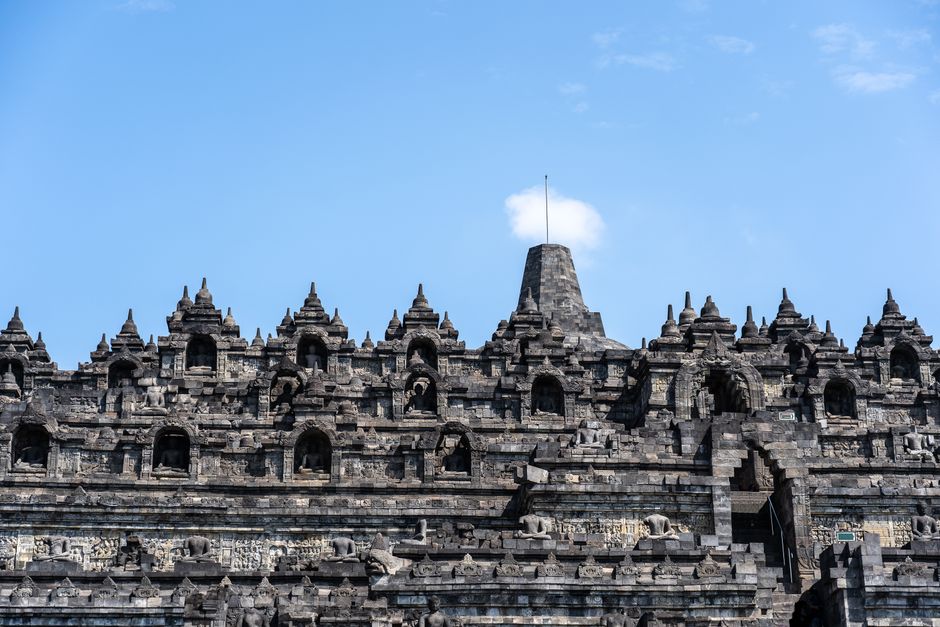
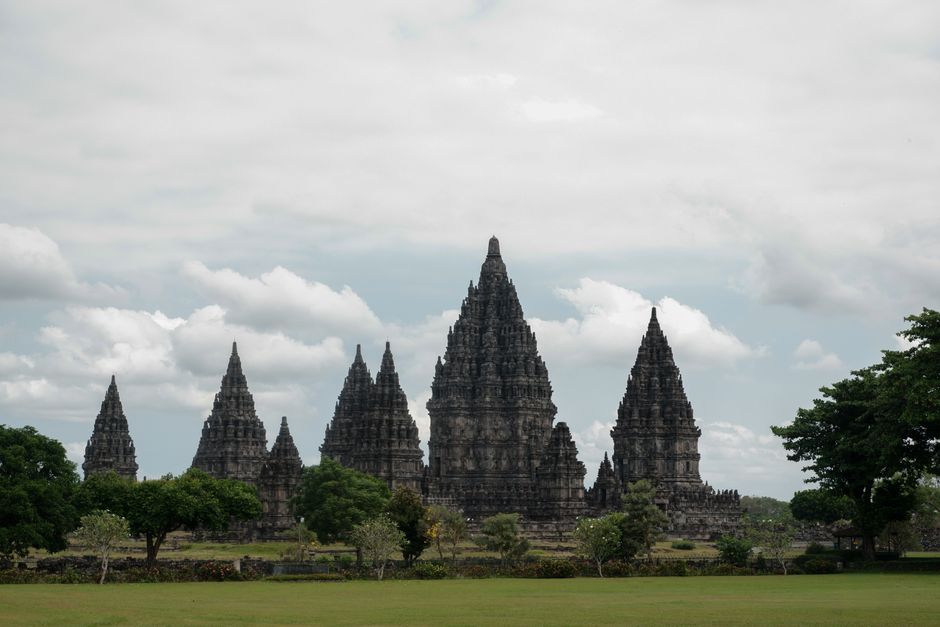
Borobudur and Prambanan are not interchangeable ruins. Borobudur is a vast Buddhist monument built around terraces, relief panels, stupas, and a gradual route upward. Prambanan is a Hindu temple compound shaped by tall towers, carved figures, open courtyards, and a different set of stories. Each deserves time to understand its layout.
A two-day plan also leaves room for road delays. Borobudur lies west of Yogyakarta, while Prambanan sits east of the city near the Central Java border. A direct transfer between the two can take around two to three hours in busy conditions. Starting and ending each day in Yogyakarta creates a simpler rhythm.
Use one day only for a focused visit
One day can work when the priority is a single temple, a short stopover, or a limited cultural visit. For a combined trip, pick Borobudur if Buddhist architecture and landscape matter most. Pick Prambanan if monumental towers, Hindu mythology, and an easier connection with eastern Yogyakarta matter more. The clear verdict: avoid forcing both into one day unless seeing both from the outside matters more than exploring them properly.
What does a practical two-day itinerary look like?
The most reliable route places one temple on each day and keeps the earliest hours for walking. The schedule below allows time for entrance procedures, a meal, traffic, and pauses in the shade.
| Day and time | Plan |
|---|---|
| Day 1, early morning | Leave central Yogyakarta for Borobudur. Allow roughly 1.5 to 2.5 hours, depending on the starting point and traffic. |
| Day 1, morning | Visit Borobudur’s temple structure or courtyard. The structure schedule currently begins at 08:30, and arriving 30–45 minutes early is recommended. |
| Day 1, afternoon | Have lunch near Borobudur, then visit a nearby village, viewpoint, or cultural site before returning to Yogyakarta. |
| Day 2, early morning | Travel east to Prambanan and arrive near opening time after checking the current schedule. |
| Day 2, late morning | Walk the main Prambanan compound, then allow extra time for nearby temple remains if access is included. |
| Day 2, afternoon or evening | Return to Yogyakarta or attend a scheduled cultural performance if the calendar and weather permit. |
Build in a weather buffer
Rain can arrive quickly during the wet season, and exposed temple courtyards offer little shelter. Keep at least 60 minutes unassigned on each day. That buffer is more useful than adding a third attraction.
How should Borobudur be visited?
Borobudur rewards a slow, upward walk. The monument is not only a viewpoint or a background for sunrise photographs. It is a Buddhist pilgrimage structure designed as a journey through levels of meaning, from the lower reliefs toward the circular upper terraces.
Choose the correct access level
The official ticket system separates access to the temple grounds from access to the temple structure. A ground ticket allows views around the monument but does not automatically allow a climb. Confirm the correct visitor category and access type before payment because the rules for domestic visitors and international visitors can differ.
The structure currently operates from 08:30 to 17:00 WIB on the official ticket portal. Arrive 30–45 minutes before the scheduled start. Late arrival may limit access when visitor flow is busy. Sunrise experiences can have separate reservations and limited daily capacity, so they should never be treated as an informal early arrival.
Walk the monument in sequence
Begin by looking at the lower reliefs instead of rushing toward the top. The panels show scenes of daily life, moral choices, animals, travel, and religious teaching. Moving clockwise along the terraces follows the traditional direction of the pilgrimage route. The carved walls become easier to read when the visit follows the monument’s design rather than jumping between photo spots.
The climb includes stairs and uneven surfaces. Wear secure footwear for the journey to and from the site, then follow instructions about the special sandals used on the structure. Bring water, sun protection, and clothing suitable for a sacred place. Do not climb on stupas, touch carvings, block narrow stairways, or treat quiet prayer areas as photo stages.
Know when the courtyard is enough
A courtyard visit is the better choice for travelers with limited mobility, a tight schedule, or little interest in climbing. The monument remains impressive from ground level, and the surrounding landscape gives a strong sense of its scale. Choosing the courtyard is not a failed visit. It is a sensible alternative when the upper route would be uncomfortable or unsafe.
How should Prambanan be explored?
Prambanan works best as a walking circuit, not a quick stop beside the entrance. Its central towers dominate the first view, but the wider compound explains why the site feels larger than a single temple photograph suggests.
- Arrive near opening time. Check the official schedule before travel because opening hours, special access, and event arrangements can change. Early arrival gives cooler conditions and clearer views of the main towers.
- Start with the central compound. Walk around the principal temples before entering detailed relief areas. The changing angles reveal the height and balance of the complex better than one frontal view.
- Read the Ramayana scenes slowly. The carved panels connect the architecture with Hindu stories. A guide, audio explanation, or advance reading can make the figures easier to identify.
- Allow time beyond the main towers. Nearby temple remains, open lawns, and archaeological areas add context. Access may vary, so follow current signs and staff instructions rather than crossing restricted zones.
- Plan the evening separately. Cultural performances are scheduled events, not daily guarantees. Check the current calendar, venue, weather policy, and return transport before building one into the itinerary.
Prambanan is usually easier to combine with eastern Yogyakarta than with Borobudur on the same day. The route can include another nearby heritage site, but only if the main temple receives at least two hours. A rushed 30-minute stop misses the carvings, the spatial design, and the relationship between the central towers and the surrounding compounds.
What can go wrong at the temples?
Can both temples fit into one day?
They can fit on a transport timetable, but that does not make the plan enjoyable. Traffic between western and eastern Yogyakarta can erase several hours, while heat and walking reduce attention before the second visit begins. For a meaningful combined visit, use two days. For one day, choose the temple that matches the main interest.
What should be checked before departure?
Check the official ticket portal for opening hours, visitor category, structure access, ground access, time slots, and temporary closures. Save the confirmation offline. Bring identification if the booking system requests it. A booking that covers the grounds may not cover the climb at Borobudur. Arriving without checking this distinction creates the most avoidable disappointment.
What if rain or heat changes the plan?
Start with the outdoor monument while energy and weather are strongest. Carry water, a hat, sun protection, and a light rain layer. Sandals without a secure grip are poor choices on wet stone steps. If a storm arrives, wait in an approved shelter rather than taking cover against fragile structures or restricted walls. Leave the afternoon flexible so a delayed visit does not destroy the entire route.
Where should travelers stay and how should they move?
Central Yogyakarta is the best base for a first visit. It offers the widest choice of food, evening walks, transport connections, and cultural activities. The tradeoff is early starts and longer road journeys to both temple zones.
Compare the three useful bases
Staying in central Yogyakarta suits travelers who want city life and a balanced two-day plan. Staying near Borobudur suits an early temple visit and a quieter rural setting, but it adds planning for Prambanan and evening activities. Staying near Prambanan makes the eastern temple easy to reach and works well for travelers arriving from the airport or continuing east, but it places less of Yogyakarta’s historic center nearby.
For a first visit, a private car with a local driver is the simplest option for Borobudur and Prambanan because both sites sit away from the city core and road conditions vary. App-based rides may be available in the city yet harder to secure immediately after closing time at rural sites.
Make the route respectful and flexible
Use local roads carefully, avoid blocking village entrances, and dress modestly at sacred sites. Ask before photographing people, ceremonies, or small shrines. A well-paced itinerary leaves money and time in the local communities around the monuments rather than spending every hour inside a vehicle. As access systems become more timed and visitor numbers are managed more carefully, the strongest Yogyakarta trips will favor slower heritage travel over collecting every landmark in a single day.