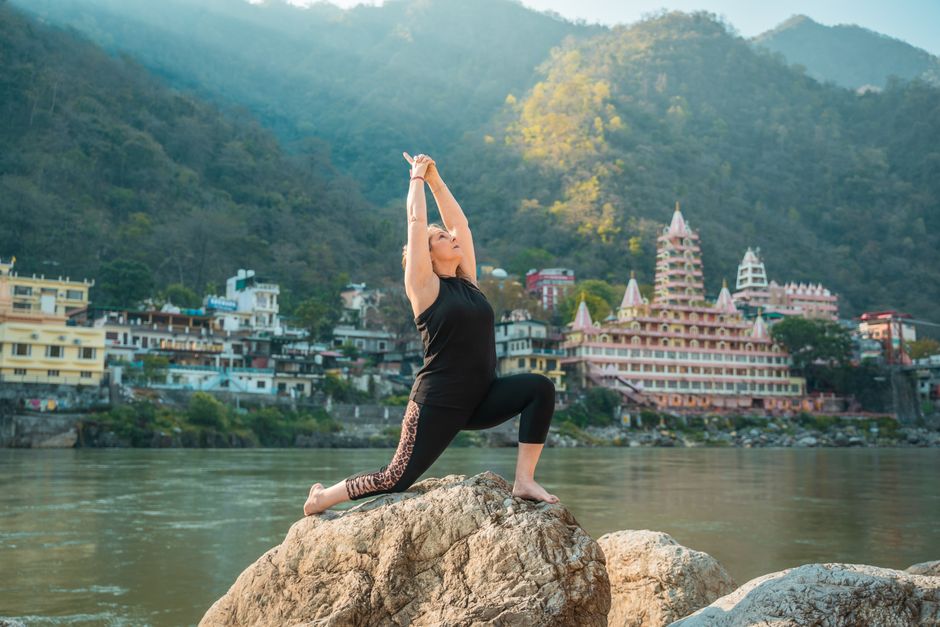
The Ganges is still young when it reaches Rishikesh. The river has already travelled through the mountains, yet it remains fast, cold and clear enough in many stretches to shape every part of life beside it. Rishikesh is not only a yoga destination or an adventure stop. It is a meeting point between pilgrimage, daily Indian life and the first visible folds of the Himalayas.
The best visit has a simple rhythm: one quiet morning beside the river, one focused activity, a long walk through the foothills and an evening spent watching the town change pace. Three days are enough for a strong first impression. Five or more allow time for a retreat, a longer trek or a slower look at the communities on both banks.
When to visit Rishikesh for yoga, rivers and walks
The season-by-season choice
For most visitors, October to March offers the strongest balance of comfortable days, cooler nights and reliable conditions for walking. April and May can work for early-morning yoga and river activities, but midday heat becomes tiring. The monsoon transforms the landscape into a vivid green, yet heavy rain can disrupt rafting, trails and mountain roads.
| Period | Best use of the trip | Main drawback |
|---|---|---|
| October to November | First visit, rafting, walking and ceremonies | Busy around holidays |
| December to February | Yoga, meditation and town exploration | Cold river water and early sunsets |
| March to May | Early classes, rafting and shaded walks | Heat in exposed areas |
| June | Short visits with flexible plans | Storms may begin |
| July to mid-September | Quiet retreat if indoor plans suit | Rafting closures and trail disruption |
What changes during the monsoon
Commercial rafting generally runs from September or October through June, with the exact opening date depending on river conditions and local inspections. During the monsoon, the Ganges rises quickly and the current becomes more dangerous. A beautiful view does not make a river safe. Check the operating status locally before building a trip around rafting.
Rain also affects transport. Landslides and waterlogged roads are more likely on routes into the foothills. A monsoon visit can still suit someone seeking a quiet yoga stay, but it needs spare days and indoor alternatives.
The practical timing choice
Choose October and November for the most balanced first visit. Choose December through February for a calmer yoga-focused stay. Choose March or April for warm mornings and a mix of river and foothill activities. The best month depends less on a perfect forecast than on matching the season to the reason for going.
How to plan a three-day Rishikesh itinerary
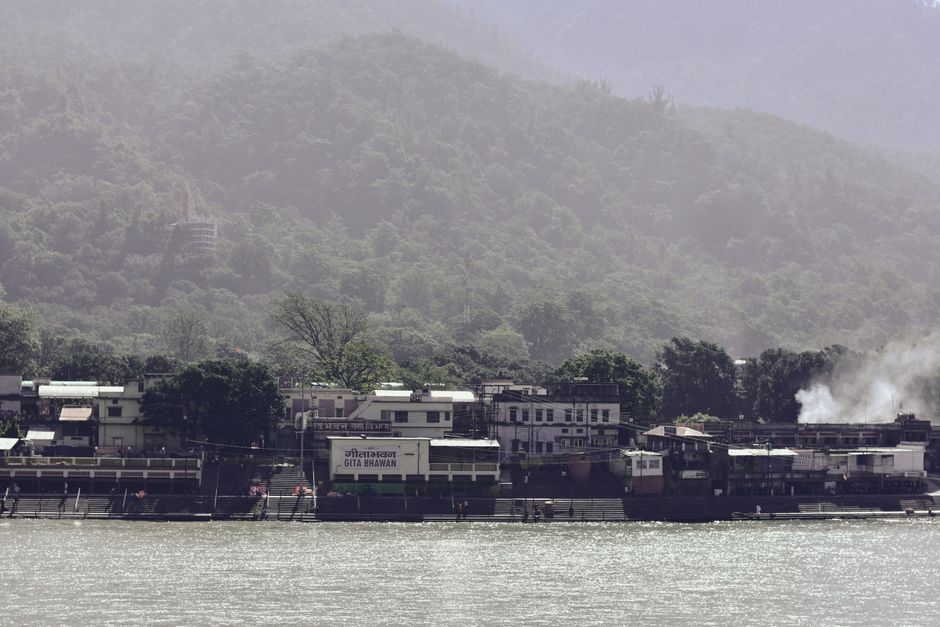
Day one: learn the shape of the town
- Arrive early enough to settle in before the afternoon heat.
- Walk through the central market and continue towards a riverside ghat.
- Visit Bharat Mandir or another local temple respectfully, following any clothing and photography rules.
- Cross or approach the bridge area only where access is open and safe; bridge conditions can change.
- Attend an evening river ceremony, then return by a well-used route rather than walking alone along quiet banks.
Day two: choose one main activity
- Start with a beginner yoga or meditation class from a teacher who explains the practice, schedule and physical limits clearly.
- Reserve the middle of the day for rest, reading or a slow meal. Rishikesh is tiring when every hour becomes an excursion.
- Choose rafting only through a properly supervised operator using approved equipment and trained guides.
- For a quieter alternative, walk along the river between the ashram areas and stop before the heat becomes severe.
Day three: move towards the foothills
- Take an early local transfer towards Shivpuri or another nearby foothill area.
- Pick a marked, realistic walk rather than an ambitious route chosen from an online photograph.
- Carry water, sun protection, a light layer and footwear with grip.
- Return to town in daylight and keep the evening unplanned.
Travel time matters. The airport near Dehradun is roughly 20 to 35 kilometres away depending on the route, while Haridwar is about 25 kilometres from Rishikesh and has the stronger rail connection. Traffic can make both journeys slower than the distance suggests.
How to choose a yoga stay without wasting your time
What does a real class look like?
A useful class explains what will happen before it begins. The teacher should identify the level, show modifications and leave time for questions.
Ask how long the class lasts, whether attendance is drop-in or fixed, and what language the teacher uses. A serious course will state its schedule clearly. It will also accept that a beginner may need to rest, skip a posture or leave a session.
How should a first-time visitor choose an ashram?
Choose structure over promises. A suitable stay has a written timetable, clear rules, defined meal arrangements and an explanation of what the fee includes. Silence periods, shared rooms, early starts and limits on alcohol or outside food may be part of the experience. None of these rules are automatically good or bad, but they should be known before arrival.
Look for a course that matches the actual aim. A traveller seeking rest should not select an intense teacher-training schedule. The strongest choice is the one with a clear daily rhythm and enough recovery time.
What should be avoided?
Yoga can support flexibility, strength and attention, but it does not replace treatment for an injury or illness. The same practical rule applies to meditation: a calm setting helps, yet good instruction matters more than a dramatic location.
Best yoga verdict: choose a modest, transparent programme with a fixed schedule and a teacher willing to explain limits. A famous setting cannot compensate for poor instruction.
The mistakes that spoil a Rishikesh trip
Do not schedule every hour
The clearest recommendation is to leave one half-day empty. Rishikesh has heat, traffic, uneven roads and a constant stream of small decisions. A plan that looks efficient on paper can become a rush between classes, bridges, ghats and transfers. Empty time protects the parts that cannot be scheduled: a quiet riverside walk, an unexpected temple ceremony or a conversation over a simple meal.
Do not confuse spiritual tourism with instant transformation
Rishikesh can offer useful practices and a powerful setting, but it cannot guarantee a new life in three days. Visitors who arrive expecting instant calm may feel disappointed by noise, construction, crowds and commercial activity. Those features coexist with the sacred landscape. A more realistic aim is to learn one practice, observe local customs and return home with a clearer sense of what deserves more time.
Do not ignore ordinary travel problems
- Do not drink untreated tap water, and carry a refillable bottle that can be safely filled.
- Do not assume every riverside path is well lit after sunset.
- Do not photograph worshippers closely without permission.
- Do not enter a rafting trip without checking equipment, guide supervision and weather conditions.
- Do not pack only light summer clothing; winter mornings can feel cold, especially before sunrise.
- Do not treat monkeys as pets or leave food visible in busy areas.
These mistakes are easy to prevent because they come from expectation rather than bad luck. Rishikesh asks for flexibility, modesty and attention to local advice.
How the foothills complete the Rishikesh experience
Choose depth over distance
The Himalayan foothills around Rishikesh are most rewarding when treated as a nearby landscape, not as a rushed substitute for a high-altitude trek. A short route through forest and village edges can reveal more than a long drive with no time to walk. Start early, use a local guide for unfamiliar trails and return before darkness. Heat, loose rock and sudden rain can turn an easy-looking path into a serious outing.
Shivpuri is a practical base for river activities and foothill scenery. Farther routes require more planning and may involve roads that slow sharply after rain. The useful question is not how many kilometres can fit into a day. It is how much time remains to stop, drink water and notice the terrain.
Where Rishikesh fits in a longer journey
Rishikesh works well at the beginning of a northern India journey because it introduces the Ganges and provides a gentler transition towards the mountains. It also works at the end, when a traveller wants a few reflective days after visiting busier cities. Haridwar adds a stronger pilgrimage atmosphere. Higher Uttarakhand destinations add colder weather, longer road journeys and more demanding walks.
Those alternatives should not be treated as upgrades. A higher destination is not automatically more rewarding, and a longer retreat is not automatically deeper. Rishikesh is the better choice for a first meeting with the foothills, especially when time, fitness or transport flexibility is limited.
The final rhythm of the town
Return to the river before leaving. In the morning, the Ganges may look almost still from a distance, while its current continues beneath the surface. By evening, lamps move across the water and the town gathers around the ghats. That shift captures the place better than any single viewpoint.
The young Ganges, the yoga halls and the green foothills make Rishikesh feel like a beginning rather than a finished destination. A good visit does not demand that the town explain everything. It leaves enough space to watch the river, understand its force and step away with a practical plan for the next journey.