How to Read Dublin Before Choosing a Route
Start with a simple fact: Dublin is compact enough to explore on foot, but its character changes quickly from one street to the next. The best Dublin itinerary follows these changes instead of treating the city centre as one large attraction zone.
Begin with the River
Use the River Liffey as the main reference point. South of the river, the centre feels more historic and polished, with civic buildings, museums, squares and older residential streets. North of the river, the atmosphere becomes more mixed, with markets, cultural venues, local cafés and neighbourhoods that reward slower wandering. A river-first plan makes it easier to understand where each walk begins and ends.
Match the Map to the Energy
Choose one main area for each part of the day. Crossing the city repeatedly wastes time, especially in rain or at busy road junctions. A morning in the historic centre can lead into a southern neighbourhood, while an afternoon in a park can finish near a pub district. The strongest route has room for unplanned pauses, because Dublin often feels most memorable between the listed stops.
Which Dublin Neighbourhood Fits the Day?
Each neighbourhood suits a different kind of day. Pick the area that matches the pace wanted, not simply the one with the highest number of attractions.
Use the Neighbourhood Selector
| Neighbourhood | Best for | What to expect |
|---|---|---|
| Georgian Quarter | Architecture and museums | Squares, terraces and calm streets |
| Stoneybatter | Local food and evening atmosphere | Independent cafés and village-like lanes |
| Smithfield | History and culture | Open spaces, older buildings and arts venues |
| Portobello | Canal walks and relaxed mornings | Residential streets beside the water |
| Docklands | Modern Dublin and long walks | Wide quays, newer buildings and open views |
Choose One Anchor Area
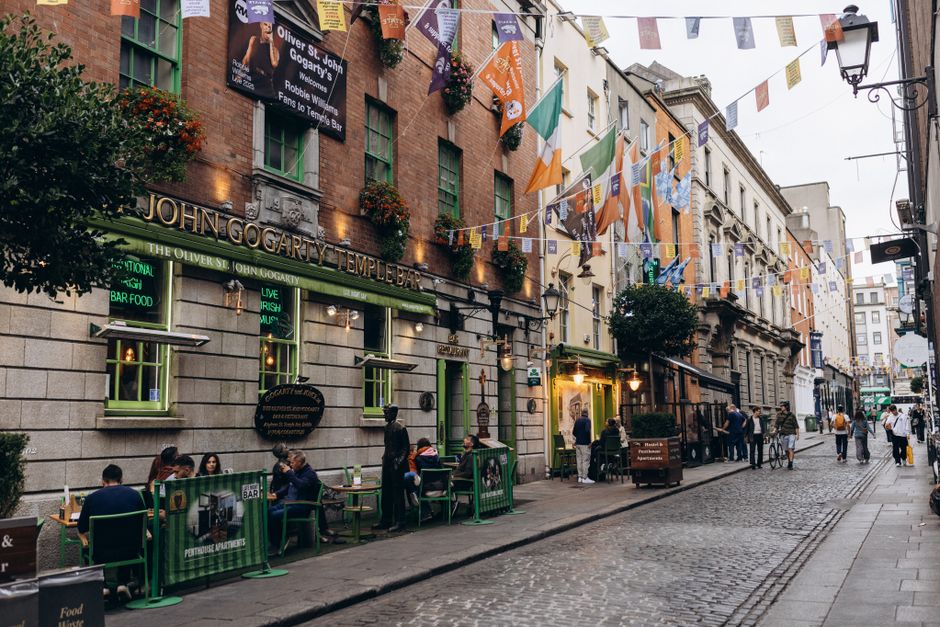
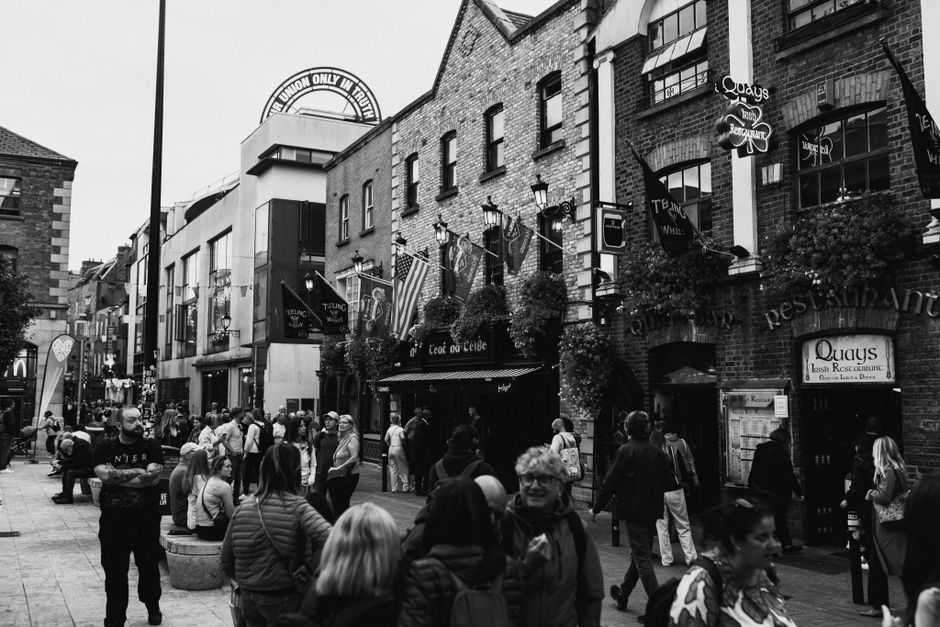
The clearest verdict is simple: choose the Georgian Quarter for a first history-focused day, Stoneybatter for a more local evening, and Portobello for a gentle start near the canal. Docklands works best when modern architecture and riverside space matter more than old streets. Temple Bar can be visited briefly, but it should not define the whole trip. Its central location makes it convenient; its busy atmosphere can make a visitor miss quieter parts of Dublin.
How to Build a Three-Day Dublin Itinerary
A good three-day plan leaves space for weather, tired feet and discoveries. Keep each day centred on one connected section of the city.
Follow This Walkable Sequence
- Day one: historic centre. Begin around Dublin Castle and the older streets south of the river. Continue towards the Georgian Quarter, pause in a square, then walk towards the canal or a nearby pub area. Keep the evening close to the centre.
- Day two: north-west Dublin. Start around Smithfield, explore the surrounding lanes and continue towards Stoneybatter. Spend the afternoon in Phoenix Park if the weather is clear.
- Day three: choose the weather. Use a dry day for the coast, a canal walk or a longer park visit. Use a wet day for museums, historic interiors, galleries and a slow lunch. Finish with a pub that feels comfortable rather than one chosen only because it appears in a guidebook.
Leave One Decision Open
Do not book every hour. Dublin works better with one flexible block each day, ideally in the afternoon. That space can absorb rain, a closed attraction, a delayed meal or a neighbourhood that deserves more time. The strongest itinerary is built around walking links, not a checklist of isolated landmarks.
Why Dublin’s Parks Deserve More Than a Quick Walk
Dublin’s parks are not filler between indoor attractions. They change the rhythm of a visit and show how the city makes room for everyday life. After several hours of stone streets, traffic and busy interiors, open grass, mature trees and broad paths provide a useful reset. That break often makes the next neighbourhood easier to enjoy.
Phoenix Park Needs Time
Phoenix Park is large enough to feel separate from the city. A quick visit near one entrance gives only a small impression of its scale. Allow several hours for a relaxed route, with time to stop rather than trying to cross the entire park. Choose a clear landmark as the turning point and keep the return route simple. The park suits visitors who want space, long views and a calmer afternoon after a crowded morning.
Use Smaller Parks for Shorter Breaks
St Stephen’s Green works well when the route remains close to the central sights. Merrion Square offers a quieter pause beside Georgian streets, while the Grand Canal provides a longer, flatter walk with a residential feel. These places do not need a full afternoon. Thirty to sixty minutes can be enough, especially when rain is nearby. Carry a light layer, check the ground after wet weather and avoid planning a tightly timed walk through several parks in one day.
Make the Park the Transition
The best use of a park is as a bridge between two different experiences. Walk through a green space after a museum, then continue into a neighbourhood for food or a drink. This creates a natural change of pace and reduces the feeling of moving from one crowded stop to another. For a first visit, Phoenix Park is the strongest choice for depth; the smaller central parks win when time is limited.
What Makes a Dublin Pub Visit Work?
A Dublin pub is more than a place to drink. It can be a social room, a meeting point, a place for food or a quiet shelter from the weather. The right approach is to read the room before settling in.
How Should a Visitor Choose a Pub?
Look for a place that matches the desired evening. A small neighbourhood pub suits conversation and a slower pace. A larger central pub may offer more energy but also more noise and groups passing through. Avoid choosing only from a famous list. A pub beside the accommodation or walking route often creates a better experience because there is no pressure to rush across town late at night.
What Is the Local Etiquette?
Order at the bar unless staff direct guests elsewhere, keep the first order simple and move away from the serving area after paying. Do not block the entrance while deciding. If a traditional music session is taking place, listen before speaking loudly and avoid treating the musicians like a performance arranged for visitors. The clear verdict: choose atmosphere and respectful behaviour over a famous name.
When Should the Evening End?
Leave enough time to walk back safely and check the final transport options. Dublin evenings can feel lively, but the atmosphere changes from one street to the next. A calm final drink near the route home is usually better than chasing a second or third district.
Common Dublin Planning Mistakes to Avoid
The biggest problems come from treating Dublin as a small city that can be rushed. It is compact, but weather, crowds, road crossings and slow walks between neighbourhoods still affect the day.
Replace These Habits
- Do not stack distant areas. Pair the Georgian Quarter with central sights, not with every attraction on the north side.
- Do not ignore rain. Keep one indoor option near each outdoor plan and carry a waterproof layer instead of relying on a perfect forecast.
- Do not confuse central with best. A central street saves walking time but may feel louder and more crowded than a residential neighbourhood.
- Do not plan only famous stops. Add one ordinary street, a park bench, a canal stretch or a local market area to understand daily Dublin.
- Do not treat pubs as interchangeable. Music, seating, food, noise and closing routines vary widely.
Build a Backup Route
For every outdoor plan, prepare a nearby alternative that takes less time and works in poor weather. A museum, historic interior or café district can protect the day without sending the route across the city. The best Dublin plans stay flexible while keeping a clear centre of gravity.
When to Slow Down and Leave the Centre
The strongest Dublin visit usually includes at least one half-day outside the busiest central streets. Choose the coast for open views, the canal for a quieter urban walk or a residential neighbourhood for ordinary city life. The verdict is clear: visitors with three or more days should spend part of one day beyond the central sightseeing circuit.
Choose the Coast for Space
A coastal trip suits a clear day and anyone who wants fresh air, broad horizons and a change from historic streets. Allow extra time for transport and weather, and avoid forcing the coast into a short gap between fixed bookings. The journey is part of the experience, not wasted time.
Choose a Neighbourhood for Texture
Stay central when the schedule is tight, but slow down inside one neighbourhood when the goal is to understand Dublin rather than collect landmarks. Notice front gardens, corner shops, school routes, canal bridges and the changing sound of each street. That close attention turns a standard city break into a more personal map of Dublin, one that will keep changing as new cafés, public spaces and community venues reshape the city in the years ahead.