Walking the Five Villages Is Not One Continuous Trail
The common misconception is simple: Cinque Terre is not one easy seaside path linking five villages from start to finish. The villages are connected by trains, roads, coastal paths and steep mountain routes, but the most famous sections can close after storms, landslides or repair work.
What the walk actually involves
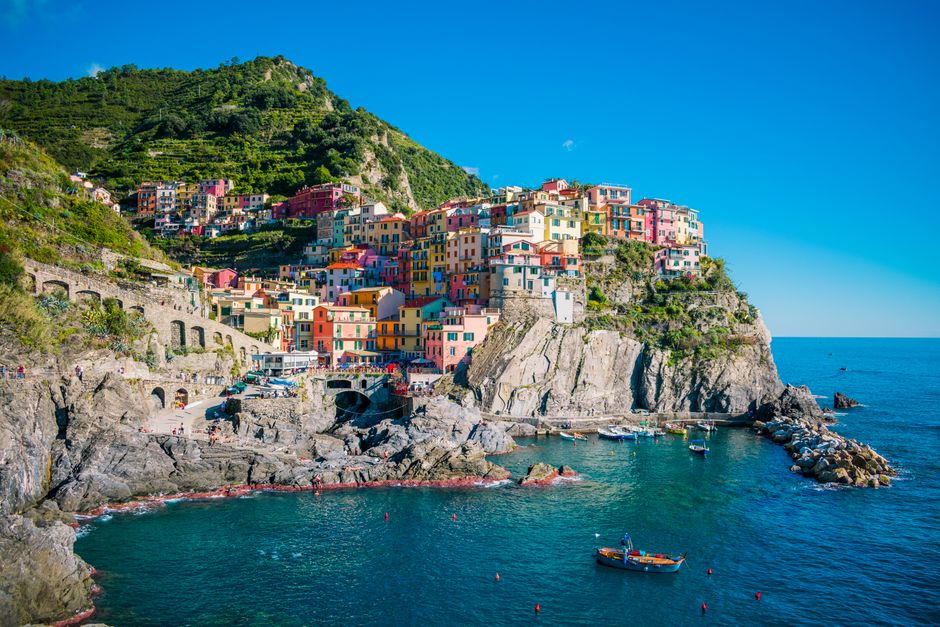
The five villages are Monterosso, Vernazza, Corniglia, Manarola and Riomaggiore. They sit along a rugged coast where the land rises quickly behind the buildings. Even short distances can involve stone steps, exposed slopes, uneven surfaces and long climbs away from the sea. The route between villages is not a flat promenade. It is a hiking day with village stops attached.
The easiest plan is to combine walking with trains. That gives the day structure and keeps a closure from ruining the whole route. A traveller can hike one open section, ride to the next village, and still see all five without forcing an unsafe detour.
Why the direction matters
Walking from Monterosso toward Vernazza usually means tackling a sustained climb early, then descending toward one of the coast’s most dramatic viewpoints. Walking from Vernazza toward Monterosso places the climb later and can feel harder in afternoon heat. The best direction is the one that matches the day’s weather, trail notices and energy level, not a rigid map sequence.
The winning approach is flexible hiking: choose one or two open sections, use the railway for the gaps, and treat the five villages as separate destinations rather than five checkpoints on one guaranteed trail.
Which Village-to-Village Sections Deserve the Time?
The coastal route is commonly called the Blue Trail, but its four village sections do not offer the same experience. Published walking times are estimates for steady hikers and exclude photo stops, queues, heat and wrong turns. Check the official trail network before setting out because the status of a section can change.
| Section | Published time | What it suits |
|---|---|---|
| Riomaggiore–Manarola | About 25–30 minutes | Short scenic walk |
| Manarola–Corniglia | About 1 hour 15 minutes | Coastal views and vineyard scenery |
| Corniglia–Vernazza | About 1 hour 30 minutes | Experienced hikers |
| Vernazza–Monterosso | About 2 hours | Strong walkers |
The best scenic choice
For most capable walkers, Corniglia to Vernazza is the strongest single section. It delivers vineyard terraces, high viewpoints and a memorable arrival into Vernazza without requiring the full length of the coast. The trail still includes steps and uneven ground, so short does not mean easy.
The best low-pressure choice
Riomaggiore to Manarola is the obvious short option when access is available, but regulated entry and one-way rules can apply. If the route is closed or fully booked, the train takes only a few minutes and the villages remain worth visiting. There is no prize for walking a closed path.
Three Itineraries That Work in Real Conditions
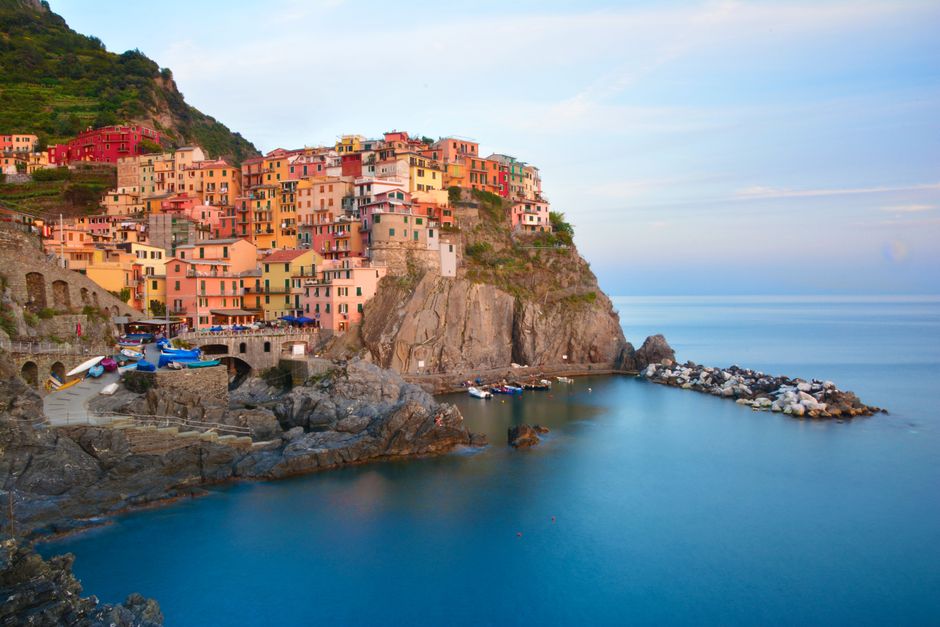
A good itinerary leaves room for trail changes. The route board, weather and crowd levels matter more than a promise to walk every kilometre.
- One-day highlights: Start in Monterosso, hike toward Vernazza if the section is open, explore Vernazza, then use the train to Corniglia, Manarola and Riomaggiore. This gives the classic views without turning the day into a race.
- Two-day walking plan: Spend the first day on the Monterosso–Vernazza and Vernazza–Corniglia sections, using the train when needed. On the second day, walk the open southern routes around Manarola, Volastra and Riomaggiore.
- Gentle village plan: Take the train between all five villages and add short walks inside each settlement. This is the right choice after rain, during extreme heat or for travellers who do not hike regularly.
- High-trail alternative: When the low coastal route is closed, use upper paths through Volastra, San Bernardino or the sanctuary routes, provided the official map marks them open and the group can handle steeper terrain.
- Sunrise-first plan: Begin with the most exposed or popular section early, then move by train as crowds build. Leave the villages for later when the harshest walking is finished.
- Weather backup: Keep one complete train-based version of the day ready. That is not a failure. It is how the area is meant to be visited when mountain paths change.
The clear recommendation
For a first visit, choose one substantial hike and three village stops rather than attempting every open section.
How to Run the Day Without Losing Hours
Most wasted time comes from poor sequencing, not slow walking. Start early, keep the route simple and treat every train connection as part of the plan.
A practical departure routine
Check the official trail board and weather warning before leaving the accommodation. Confirm the direction of each open path, then choose the village where the hike begins. Carry water before reaching the trailhead because village facilities are not evenly spaced. Use station toilets before boarding or starting a climb, especially on busy days.
Allow at least thirty minutes beyond the published hiking time for photographs, viewpoints, passing other walkers and finding the correct exit. Add more time in hot weather. The final arrival into a village often takes longer than expected because narrow lanes, stairs and crowds slow everyone down.
How to use trains properly
Keep the railway as the backbone of the day. A train can replace a closed path, shorten a late afternoon and move the group away from an overcrowded platform. Check the departure board at the station instead of relying only on a saved screenshot. During the main season, trains may be busy, but they remain more reliable for village-to-village movement than trying to improvise on steep roads.
Some designated paths require a park access pass, and regulated sections may use timed entry or one-way movement. Confirm those rules before arriving at the trail entrance. The official park information is the final authority.
The Mistakes That Ruin a Cinque Terre Walking Day
The biggest mistakes are predictable. They come from treating a mountain coast like a city sightseeing route.
- Assuming every famous section is open: Trail closures can divide the route into separate pieces. Check the status on the morning of the walk and again after severe weather.
- Wearing smooth-soled footwear: Polished stone and wet steps punish casual shoes. Use footwear with secure grip and enough support for descents.
- Starting at midday: Summer heat reaches exposed terraces quickly. Early departures reduce glare, heat and crowd pressure.
- Planning too many stops: Five villages plus two long hikes creates a rushed day. Pick the main walk first, then add villages that fit around it.
- Ignoring the return route: A trail may end above a village rather than beside the station. Check the descent, train connection and last realistic departure before starting.
- Walking after heavy rain: Mud, slick rock and falling debris can make a familiar path unsafe. Wait for an official update instead of trusting a map from a previous visit.
What to do when the plan breaks
Move to the nearest station or village, eat, rest and rebuild the day around open ground. Do not bypass a barrier or follow an unofficial shortcut. The cliffs leave little room for a harmless mistake, and rescue access can be slow on narrow paths.
Pets also need control. Dogs should remain on a lead, particularly on narrow trails where walkers and wildlife share limited space.
The Best Way to Link the Villages
There is no single perfect order, but there is a clear best principle: hike the section with the strongest views when legs and weather are fresh, then use transport for the less important gaps.
A strong first-day sequence
Monterosso works well as a starting point because it offers the longest beach area and a clear route toward Vernazza. After the hike, Vernazza provides a natural pause before continuing by train to Corniglia. Corniglia sits above the station, so the final climb into the village should be included in the day’s effort. Manarola and Riomaggiore are easier to connect by train when the southern coastal sections are unavailable.
How to choose the right ending
End in the village that gives the group the easiest onward journey, not necessarily the one that looks best on a postcard. Riomaggiore is a practical southern endpoint for travellers continuing toward La Spezia. Monterosso and Levanto work well for the northern side. A late finish near a station is far better than a beautiful viewpoint followed by a stressful road transfer.
The villages reward slow observation: painted facades, steep lanes, boat ramps, vineyard walls and small harbour spaces. Walking should reveal those details, not force them into the gaps between ambitious trail segments.
The single most important takeaway is this: plan Cinque Terre as a flexible mix of one or two open hikes and train connections, because trail conditions matter more than completing a perfect five-village line.