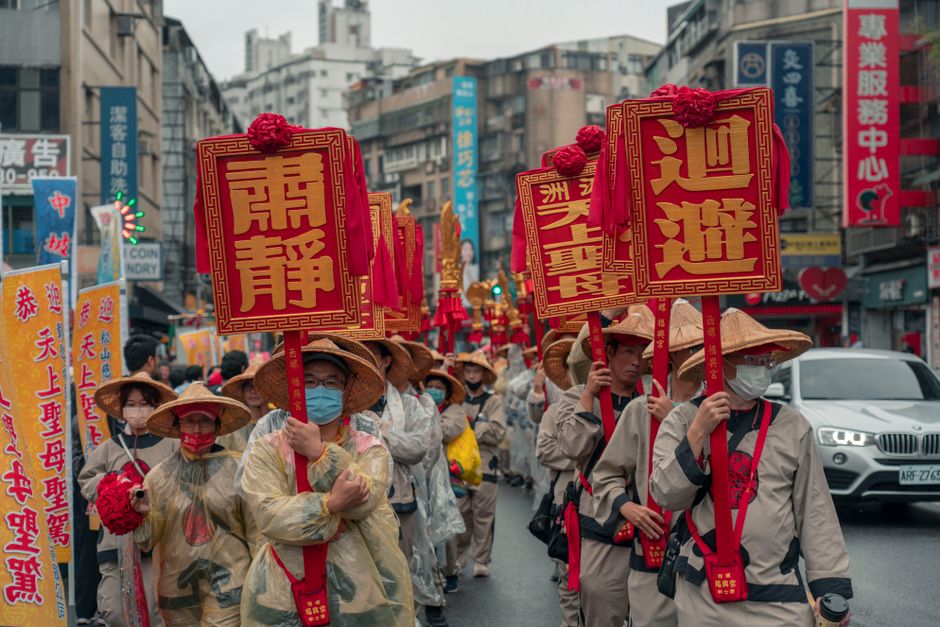
The dates look perfect, the festival photos look unforgettable, and the route seems easy on a map. Then the practical problems appear: accommodation fills early, the nearest station closes, the main event lasts only three hours, and every nearby town plans its own celebration on the same weekend. A successful festival trip starts with the event schedule, then builds a route around it.
Choose the Festival Before Choosing the Route
Pick one main festival and treat everything else as supporting scenery. That decision prevents the most common planning error: building a long trip around several events that happen at different times and require difficult transfers. A local festival should anchor the journey, not sit as a vague possibility between unrelated stops.
Start with the festival calendar
Check the official municipal, cultural, or community calendar before booking transport. Look for the opening ceremony, busiest day, closing time, parade route, reservation rules, and any changes caused by weather. Some festivals use a fixed annual date. Others follow a religious calendar, harvest cycle, lunar date, or weekend chosen by the local council.
Decide what kind of experience matters
A huge public celebration offers music, street food, and strong visual energy, but it also brings queues and crowded transport. A smaller village event may offer better conversations, easier movement, and clearer local customs, yet fewer English-language details. Choose the event that matches the purpose of the trip. The best choice for cultural learning is not always the biggest event. The best choice for a short break is often the festival with a compact program and reliable transport.
Leave at least one open day around the main event. That buffer protects the trip from delays and gives the destination room to feel like a place rather than a stage.
Build the Itinerary Around Fixed Festival Hours
A festival itinerary works best when fixed times control the route. Arrival, departure, and long-distance transfers should sit outside the busiest event window. The schedule below suits a four-day trip and leaves enough space for delays, rest, and ordinary local life.
A four-day festival pattern
| Day | Main focus | Practical plan |
|---|---|---|
| Day 1 | Arrival and orientation | Arrive before evening, walk the central area, locate the event entrance, and confirm the next day’s transport. |
| Day 2 | Local discovery | Visit a market, neighborhood, museum, or nearby village before the festival begins. |
| Day 3 | Main festival day | Reach the venue early, choose two priority activities, keep the afternoon flexible, and leave before transport becomes difficult. |
| Day 4 | Buffer and departure | Use the morning for missed sights or weather delays, then travel onward after the main crowds thin. |
This structure beats a packed checklist because festivals rarely follow a clean timetable. A parade may pause for a ceremony. A street may close without much warning. A popular performance may attract more people than expected. Two priority activities create a clear purpose without forcing every hour into a booking.
Keep the festival town within easy reach of the main event. A longer scenic route may look attractive, but a late return after a crowded celebration can turn a pleasant day into a transport problem. The strongest itinerary usually has one base, one nearby excursion, and one flexible day.
Handle Crowds, Transport, and Weather Before They Handle You
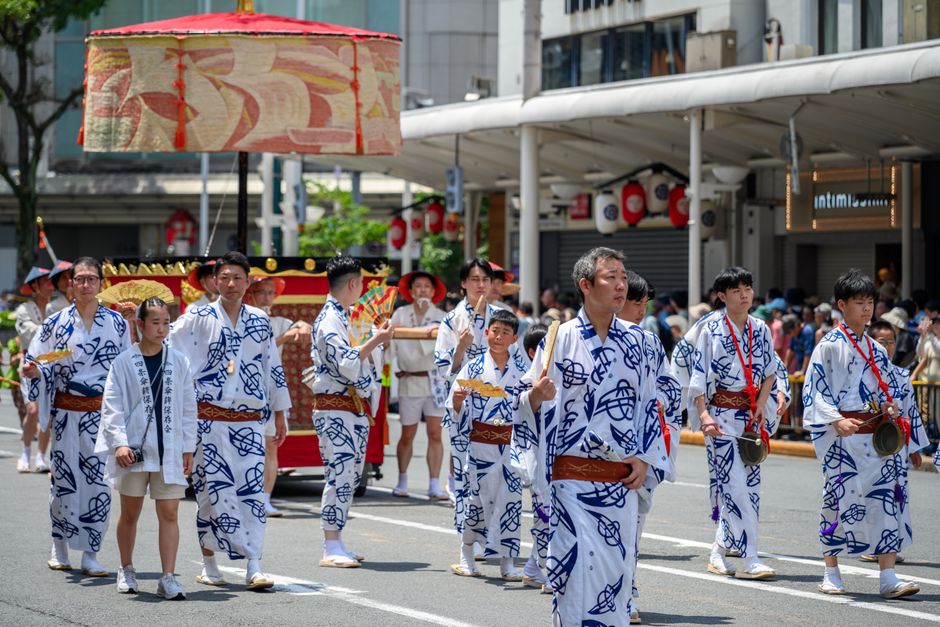
Festival travel becomes much easier when the difficult parts receive a decision before departure. Use this short planning check rather than relying on luck.
Five checks that prevent predictable problems
- Map the last connection. Find the final train, bus, ferry, or shuttle back to the accommodation. Check the normal timetable and the festival timetable because event days often change evening services.
- Choose a meeting point. Mobile signals can weaken in packed streets. Pick a visible landmark outside the main crowd in case companions become separated.
- Plan for weather changes. Outdoor festivals may continue through light rain, heat, or cold. Pack clothing that dries quickly, protect important documents, and identify an indoor fallback.
- Carry the right payment options. Small community events may use cash, while larger celebrations may rely on advance reservations or digital passes. Confirm the accepted method before leaving the accommodation.
- Limit the daily route. Crowds slow every journey. A destination that takes twenty minutes on an ordinary day may take an hour during a parade. Keep important plans close together.
The biggest mistake is treating the festival as a normal sightseeing day. Noise, standing, heat, uneven streets, and constant movement create real fatigue. A quiet meal, a slower morning, and a second pair of comfortable walking shoes can matter more than one extra attraction.
Do not schedule a non-refundable long-distance connection immediately after the main event. A delayed procession or road closure can affect the entire departure day, especially when the festival takes place in a small town with limited transport.
What Should a Festival Day Actually Look Like?
A useful festival day has a shape, but it does not need minute-by-minute control. These questions help set realistic expectations.
How early should the day begin?
Arrive early enough to learn the layout before the busiest period. The first hour often offers the clearest view of stalls, ceremonies, and public spaces. It also gives time to find toilets, water, information points, and a quiet route away from the main crowd.
How many activities should be planned?
Choose two essential activities and one optional activity. That limit leaves space for unplanned moments, such as a local performance starting in a side street or a procession taking a different route. More than three fixed plans usually creates rushing, missed times, and frustration.
When should the day end?
Leave before exhaustion makes every decision harder unless the evening program is the main reason for attending. Night events can be memorable, but they require a confirmed route home and a plan for crowded exits. A festival day should end with enough energy to travel safely, eat properly, and manage the next morning.
Respect the Event Without Turning It Into a Performance
A local festival is not simply a colorful backdrop for photographs. It may mark a religious belief, seasonal change, historic event, harvest, neighborhood identity, or family tradition. Visitors receive a better experience when they understand the difference between observing a custom and treating it as entertainment created for outsiders.
Learn the basic rules before arriving
Read the festival’s own visitor guidance and look for signs at the venue. Clothing rules may apply near religious buildings. Certain processions may require a clear route. Some ceremonies welcome observers but limit photography. Ask before photographing people, especially children, older residents, performers, or anyone taking part in a private ritual. A polite refusal is an answer, not an invitation to negotiate.
Use a few local greetings and learn the correct name of the event. Pronouncing the place and festival properly shows attention, but forced imitation can feel disrespectful. Quiet observation often works better than trying to copy every movement or costume.
Spend time beyond the headline event
Visit an ordinary market, neighborhood café, public square, or small community activity away from the main stage. This creates a fuller picture of the destination and spreads visitor spending beyond the busiest streets. It also reduces pressure on one crowded area. Ask local staff which parts of the program residents value most, then follow their guidance instead of chasing only the most photographed moment.
Leave public spaces clean, keep voices low near homes, and avoid blocking entrances while taking pictures. If a ceremony changes direction, move with the crowd rather than standing in the path. Local patience should not be mistaken for permission to ignore boundaries.
The most trustworthy festival memories come from attention, not access to every spectacle. A visitor who understands the setting will notice more, cause fewer problems, and leave with a connection to the place that lasts beyond the event weekend.
Know When a Festival Trip Is the Wrong Trip
Choose a different travel style when the festival dominates too much
Select a nearby date outside the main weekend if the destination matters more than the celebration. The streets will be calmer, accommodation will be easier to find, and local businesses may have more time for conversation. A smaller related event can also offer the same seasonal or cultural theme with less crowd pressure.
Use a smaller event when flexibility matters
A regional fair, neighborhood procession, craft gathering, or food tradition may suit a short trip better than a major international festival.
For travelers who dislike fixed dates, crowded spaces, or uncertain weather, a destination-led trip with a casual festival stop is the better choice. For travelers willing to build the schedule around one meaningful event, a local festival can reveal how a place celebrates, remembers, cooks, gathers, and welcomes visitors. That is the real value of planning around the festival: the event becomes a doorway into the destination, not the only thing worth seeing.