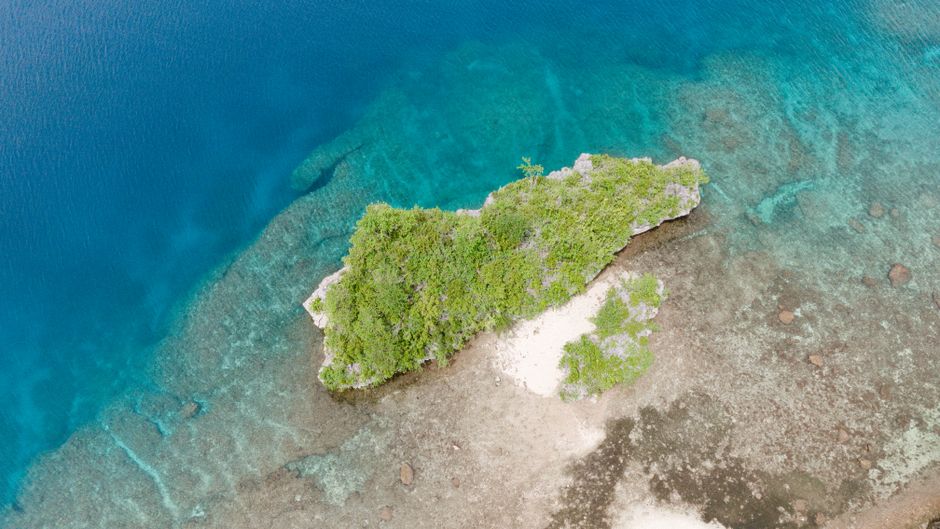
Lombok combines quiet beaches, volcanic landscapes, traditional villages and a slower pace than nearby Bali. The Gili Islands add clear water and car-free coastal living, but each island has a different character.
How Many Days Do Lombok and the Gili Islands Need?
Use five days for a focused trip
Five days can cover southern Lombok and one Gili Island, but the schedule will feel tight. Allow one full day for arrival and transfer, two days around Kuta and the southern beaches, and two nights on a Gili. This works for travelers who want a short beach break with one inland excursion.
A five-day route should skip Mount Rinjani trekking, northern waterfalls and long cross-island drives. Adding too many distant stops creates hours of travel and leaves little time for swimming, walking or rest.
Choose seven to ten days for balance
Seven days is the strongest length for a first visit. It allows three nights in southern Lombok, one inland or northern day, and three nights on a Gili Island. Ten days gives room for a two-day trek, extra beach time or a slower route through villages and waterfalls.
| Trip length | Best use | Main limitation |
|---|---|---|
| 5 days | South Lombok and one Gili | Few buffer days for delays |
| 7 days | South Lombok, a cultural stop and one Gili | Requires planned transfers |
| 10 days | Beaches, waterfalls, trekking and island time | More time spent moving between areas |
Seven days is the clear recommendation for most visitors. It gives the destination enough room to feel varied without turning the trip into a chain of transfers.
Which Route Works Best for a First Visit?
Start in southern Lombok
Begin around Kuta in the south. The area provides easy access to several beaches, viewpoints and small coastal communities. It also offers a practical base after arriving through Lombok International Airport. The south has a relaxed atmosphere, but roads between beaches can be uneven and distances take longer than the map suggests.
- Arrive in southern Lombok and settle near Kuta.
- Spend two days visiting nearby beaches and viewpoints.
- Travel north or east for one cultural or nature-focused day.
- Transfer to a Gili Island from the west coast.
- Finish with two or three slow days by the sea.
Finish on the Gili Islands
Ending on a Gili usually makes the trip easier. The island stay provides a natural pause after road travel, and boat connections can link the Gilis with Bali or other parts of Indonesia. Keep the final night close to the departure point if a flight or long ferry journey follows. Weather, sea conditions and loading delays can affect island transfers.
The most reliable route is not the one with the most stops. It is the route that limits backtracking. Crossing Lombok from south to north and then returning west can consume a full day, so distant attractions should be grouped together.
What Should Travelers Expect from Lombok?
The landscape changes quickly
Lombok is more varied than a beach-only itinerary suggests. The south has dry hills, pale sand and open coastal views. Central Lombok is greener, with rice fields, shaded roads and villages where traditional building styles remain visible. The north rises toward Mount Rinjani, Indonesia’s second-highest volcano, with cooler air, forest and waterfalls.
These landscapes also bring different travel conditions. Roads may be narrow, animals can appear around bends, and journey times increase during rain. A route that looks short on a map may take an hour or more because of traffic, road surfaces or steep sections.
Local life is part of the experience
Lombok is predominantly Muslim, and local customs shape daily life. Dress modestly away from swimming areas, keep voices low near mosques and ask before photographing people. During prayer times, some businesses may pause service. Friday can feel especially quiet around midday.
The Sasak people form Lombok’s largest ethnic group, and villages, weaving traditions and ceremonial spaces offer more insight than a quick beach stop. Visit with patience. A staged performance or tourist village cannot represent every community, but it can still be useful when approached as an introduction rather than a complete picture.
How Can a Seven-Day Itinerary Be Balanced?
Days one to three: settle into southern Lombok
| Day | Base | Suggested focus |
|---|---|---|
| 1 | South Lombok | Arrival, beach walk and an early night |
| 2 | South Lombok | Two nearby beaches and a coastal viewpoint |
| 3 | South Lombok | Village visit, swimming and a sunset stop |
| 4 | Central or north Lombok | Waterfall, rice fields or a cultural route |
| 5 | Gili Island | Boat transfer and slow afternoon |
| 6 | Gili Island | Snorkeling, cycling or a reef walk |
| 7 | Gili Island or departure point | Morning swim and onward transfer |
Days four to seven: choose one inland theme
Day four should have one main purpose. Choose waterfalls for a nature-heavy day, a Sasak village route for cultural context, or a short walk through rice fields for a quieter change of pace. Trying to combine all three can turn the day into a long vehicle ride with rushed stops.
Move to the Gilis on day five if conditions are calm. Keep day six flexible because snorkeling trips depend on wind and visibility. On day seven, allow extra time for the boat and road connection. The itinerary works because it leaves one slower island day rather than filling every hour.
How Should Visitors Move Around Lombok and the Gilis?
Use road transfers for long distances
For most visitors, a private car with a local driver is the easiest way to connect southern Lombok, inland villages and the west coast. It removes the stress of navigation and makes short stops practical. Agree on the route, waiting time and final destination before leaving.
Motorbikes suit confident riders on short daytime trips, but they are a poor choice for unfamiliar mountain roads, heavy rain or long cross-island journeys. Helmets, travel insurance and a valid license matter. Never assume a quiet road is risk-free.
Treat boat journeys as weather-dependent
Boats to the Gili Islands are not a train service. Departure times can shift because of waves, loading, harbor congestion or weather. Keep valuables in a dry bag, arrive early and avoid scheduling a flight immediately after an island transfer.
Which Common Mistakes Should Be Avoided?
Do not underestimate distances
- Do not plan a south-coast beach visit and a northern waterfall as casual stops on the same morning.
- Do not assume a ten-kilometer journey will take ten minutes.
- Do not schedule a major boat transfer after a long mountain excursion.
- Do not pack every day with activities during the hottest hours.
Do not treat the Gilis as interchangeable
Each island has a different mood, and choosing the wrong one can shape the entire trip. Gili Trawangan has the strongest nightlife and the busiest social scene. Gili Air balances restaurants, snorkeling and a relaxed evening atmosphere. Gili Meno is quieter, with fewer facilities and a more private feel.
Another common mistake is expecting untouched beaches everywhere. Popular shores can have litter, boat traffic or damaged coral. Choose reef-safe behavior, avoid standing on coral and carry reusable water storage when practical. The best island experience comes from matching expectations to the location.
Which Gili Island Fits the Trip?
Is Gili Trawangan best for nightlife?
Yes. Gili Trawangan is the strongest choice for travelers who want evening activity, a larger social scene and more dining variety. The island is still car-free, but its main coastal strip can be lively and noisy after dark. Stay farther from the busiest strip if sleep matters.
Is Gili Air best for a balanced stay?
Yes. Gili Air is the best all-round choice for a first visit. It offers swimming, snorkeling, sunset views, casual dining and enough quiet spaces to slow down. The island feels social without making nightlife the central purpose.
Is Gili Meno best for peace and quiet?
Yes. Gili Meno suits travelers who want fewer crowds, slower mornings and a less developed setting. Services are more limited, so it rewards preparation and realistic expectations. It is not the strongest base for frequent excursions or a wide choice of evening activities.
For most seven-day itineraries, Gili Air is the clearest pick. Choose Gili Trawangan for nightlife, Gili Meno for seclusion, and Gili Air for the most balanced combination of sea time, comfort and access.