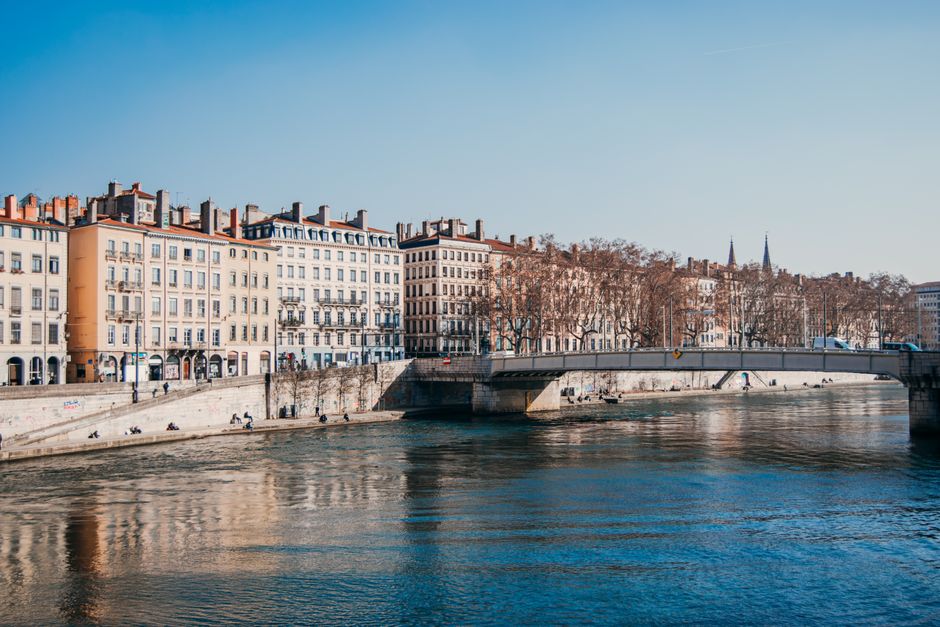
Lyon is not simply Paris with fewer crowds. The common mistake is to treat it as a quick stop for photographs, a meal and a walk around one attractive square. That approach misses the city’s real character. Lyon rewards visitors who understand how its neighborhoods fit together: Roman Fourvière above the river, the tightly packed lanes of Vieux Lyon below, the broad Presqu’île between two waterways and the working food neighborhoods beyond the historic center.
What makes Lyon worth exploring on foot?
The city is built in layers
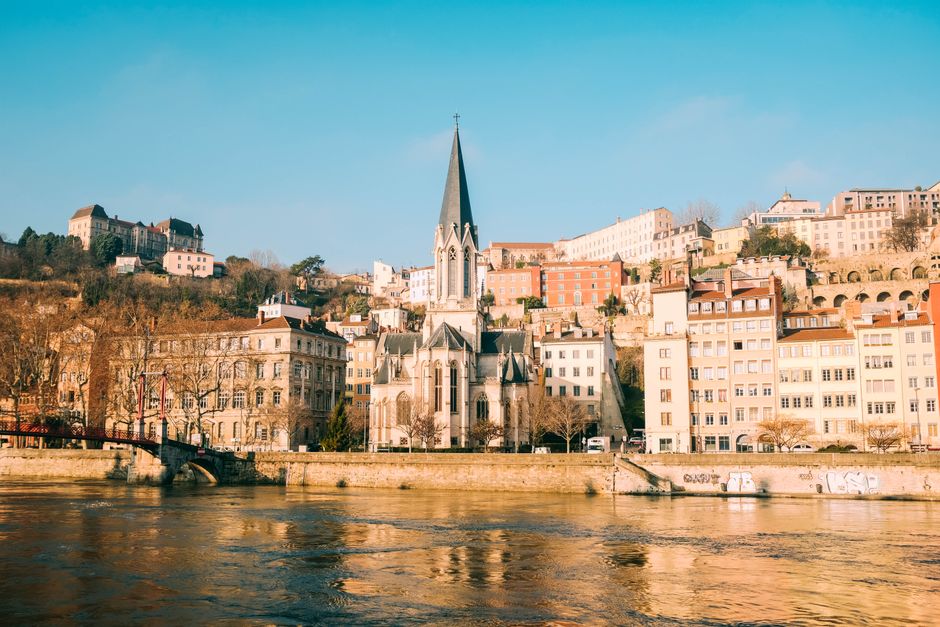
Lyon’s appeal comes from contrast rather than a single landmark. Fourvière rises steeply above the Saône, Vieux Lyon keeps its medieval street plan at river level, and the Presqu’île opens into longer streets, civic squares and busy cafés. Cross the Rhône and the mood changes again in Guillotière, Part-Dieu and Croix-Rousse. Each area solves a different travel question.
The old town shows how residents and tradespeople once moved through dense buildings. The rivers explain why food, textiles and transport shaped the city. The hill explains why some routes feel much harder than the map suggests. A walking plan works best when it follows these physical layers instead of zigzagging between isolated attractions.
What the historic center feels like
Vieux Lyon is compact, but it is not effortless. The main streets can become crowded around late morning, while the side lanes are quieter and often more revealing. The ground is uneven in places, and the climb toward Fourvière becomes steep quickly. Comfortable shoes matter more here than a long attraction list.
The best Lyon experience is a sequence of short walks: cross a bridge, pause beside the river, enter a courtyard or traboule, then continue toward a market or viewpoint. That rhythm leaves room for weather, queues and unplanned discoveries. A visitor who tries to cover every district in one day will spend too much time in transit and too little time noticing the city’s details.
The practical verdict
For a first visit, base the day around Vieux Lyon, Fourvière and the Presqu’île. This combination delivers the clearest sense of Lyon’s history, geography and food culture without requiring long journeys. Croix-Rousse deserves a separate half-day when the schedule allows because its slopes and market streets need slower attention.
How to spend the first morning in Vieux Lyon
Use this walking order
- Start beside the Saône before 9:00. The riverfront is calmer, the light is softer and the narrow streets have not reached their busiest point. Begin near the southern end of Vieux Lyon and walk north along the quays before turning into the historic lanes.
- Spend 60 to 90 minutes on the main streets and side passages. Look above shopfronts for painted façades, carved details and covered passages. The aim is not to enter every doorway. Focus on the relationship between the street, the courtyards and the steep slope behind the district.
- Choose two or three traboules rather than chasing a full list. Some passages have limited access, and private residents use many buildings. A short visit with quiet behavior is more respectful and more useful than treating each entrance as a photo stop.
- Climb toward Fourvière before lunch. The route is demanding but manageable when taken slowly. The funicular reduces the climb if legs, heat or mobility make the stairs unsuitable. From the hill, the city’s two-river layout becomes clear.
What deserves time inside the old town
Do not judge Vieux Lyon only by its busiest street. The district’s value lies in the details between destinations: arched doorways, inner courtyards, passageways and the changing width of the lanes. The Cathedral of Saint-Jean anchors the area, but the surrounding streets tell a broader story about merchants, religious institutions and apartment life.
How to avoid a rushed morning
Keep the route under four kilometres before lunch, excluding detours and the climb to Fourvière. Add breaks beside the Saône rather than pushing through the entire district. If rain arrives, shorten the outdoor route and spend more time in the covered passages, cathedral area and nearby cafés. The strongest morning plan leaves a buffer of at least 30 minutes before the next reservation or scheduled activity.
Which Lyon food market fits the route?
Match the market to the day
Lyon’s markets are working parts of the city, not decorative food halls designed only for visitors. Morning is the strongest time to go. Stalls are fuller, vendors are setting out produce and the surrounding neighborhoods feel more local before the lunch rush. Schedules can vary by day, season and weather, so verify opening details shortly before visiting.
| Market | Best timing | What to expect | Best route pairing |
|---|---|---|---|
| Marché Saint-Antoine | Early to mid-morning | Riverside stalls, produce, bread, cheese, prepared foods and a lively central setting | Vieux Lyon, Presqu’île and a Rhône or Saône walk |
How to visit without turning lunch into a logistics problem
Arrive with enough time to walk one full circuit before choosing food. Markets are best for tasting, observing and building a simple meal, not for collecting fragile items during a full day of sightseeing.
The strongest market choice
Choose Marché Saint-Antoine for a first visit because it connects naturally with Vieux Lyon and the Presqu’île. Choose Croix-Rousse when the goal is neighborhood atmosphere and a more residential hilltop route. The wrong choice is visiting both markets in one rushed morning; the travel time erases the very local character that makes them worthwhile.
What is the best two-day Lyon itinerary?
Day one: the historic core and the rivers
The best first day follows the city’s geography from high ground to river level. Start at Fourvière in the morning, when the view is clearer and the hill is less crowded. Walk or take the funicular down to Vieux Lyon. Spend late morning exploring the lanes and a small number of traboules, then pause for lunch in or near the old town.
Use the afternoon for the Presqu’île. Walk between the two rivers, cross a bridge and stop in one of the major squares rather than filling the schedule with indoor attractions. The distance between Fourvière, Vieux Lyon and the central peninsula is short enough to walk, but the slope makes the order matter. Starting low and climbing late can turn an enjoyable route into a tiring one.
Day two: markets, Croix-Rousse and flexible time
Begin with a food market while the stalls are active. If the market is on the Presqu’île, continue toward the central streets and riverfront. If the plan centers on Croix-Rousse, reserve the morning for the plateau and slopes instead of adding a distant attraction.
After lunch, leave two open hours. Use them for a museum, a longer riverside walk, a second look at Vieux Lyon or a rest during hot weather. Lyon is more rewarding when the itinerary has space for changes. In wet weather, reduce hill walking and favor the Presqu’île. In strong heat, make the market an early stop and move outside walks to late afternoon.
When a one-day visit needs a different plan
With only one day, skip the attempt to see every district. Choose Fourvière, Vieux Lyon, one market or market-style lunch stop, and a short Presqu’île walk. Croix-Rousse is the better substitute for Fourvière only when street life and neighborhood character matter more than panoramic views. A short itinerary with a clear route beats a long list connected by hurried transfers.
Which Lyon mistakes waste the most time?
Mistake: treating the old town as flat
Vieux Lyon sits below Fourvière, but the routes between them rise sharply. Fix the problem by checking elevation before setting a walking target. Use the funicular when the climb would reduce the rest of the day, and save the steepest streets for a cooler period.
Mistake: arriving at markets too late
Late afternoon is usually a weak time for a traditional market visit. Stalls may be closing, selections may be smaller and the neighborhood’s daily rhythm has moved on. Go in the morning, confirm the schedule, and keep the rest of the route close enough to continue on foot.
Mistake: assuming every traboule is public
Some passages close. Some lead through private buildings. Some are open only during limited hours. Treat access as conditional, never push through a secured entrance and avoid loud groups in residential courtyards. Respectful behavior protects the chance that these unusual passages remain available to visitors.
Mistake: planning meals around a rigid timetable
Long restaurant reservations can make a walking day fragile, especially when a market, weather change or steep climb shifts the schedule. Keep at least one meal flexible and place fixed bookings after the most important route rather than before it.
The opening misconception can now be put to rest: Lyon is not a quick postcard stop between larger French destinations. It is a layered city where the best day links a hill, a historic passage, a river and a market. Follow that sequence, leave room for the unexpected and the city becomes easier to read, easier to walk and far more memorable.