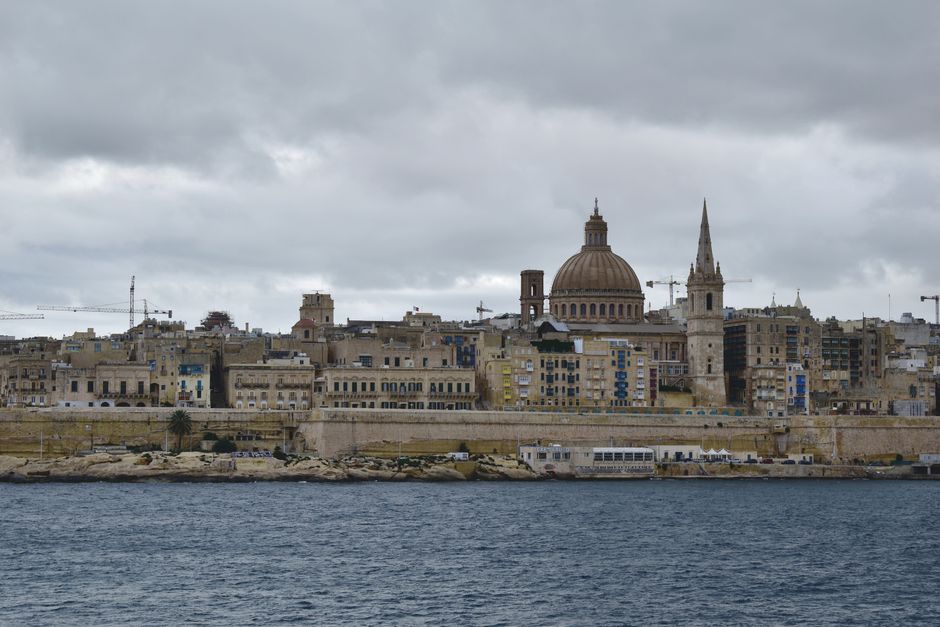
Three days in Malta can sound generous until the first day disappears in airport transfers, traffic and a badly timed ferry queue. The common mistake is treating the island like a compact city break. Malta is small on a map, but its roads, coastlines and separate islands make every move take longer than expected.
The fix is simple: group nearby sights, start early, and give each day one clear centre. Valletta deserves a full day. Mdina and Rabat work together. Gozo needs a dedicated day, not a rushed afternoon squeezed between other stops.
Why three days in Malta feels shorter than it is
Distance is not the real problem
Malta’s size creates false confidence. A journey that looks short may involve narrow roads, slow buses, busy junctions and a search for somewhere to stop. A ten-kilometre route can take much longer at the busiest times. Moving from one side of the island to another for a single viewpoint wastes the best part of an afternoon.
Three places need three different rhythms
Valletta rewards walking and close attention. Its streets are steep, its churches and museums are dense, and the harbour views appear around corners. Mdina is quieter and more atmospheric, but it loses some of its appeal when visited as a quick photo stop. Gozo is slower again. The island makes sense when the day includes a village, a coastal landscape and a proper pause for lunch.
The winning rule for a short stay
Use one geographic cluster per day. Do not plan Valletta in the morning, a western beach at midday and Gozo in the evening. That route sounds ambitious and feels like transport homework. The strongest three-day plan protects time for walking, keeps the major transfer to one day, and leaves enough flexibility for heat, wind or a delayed crossing.
Where should a first-time visitor base the trip?
Is Valletta the best base?
Yes, for most three-day visits. Valletta places historic streets, harbour viewpoints, restaurants and major sights within a walkable area. It also makes the first and last days easier because the city works well without a car. Staying nearby can work too, but a base far from the central harbour adds daily transfer time that a short itinerary cannot spare.
Should the base move to Mdina?
No, unless quiet evenings and historic surroundings matter more than convenience. Mdina is excellent for a morning or late afternoon, but it is not the most efficient base for reaching Valletta and Gozo. The old city becomes peaceful after day visitors leave, yet that atmosphere does not compensate for repeated cross-island travel.
What about staying on Gozo?
Only when Gozo is the main purpose of the trip. An overnight stay there creates more time for coastal walks and village visits, but it makes a three-day Valletta and Mdina plan harder. For a balanced first visit, keep the base on Malta and treat Gozo as a single, well-planned excursion. The clear recommendation is Valletta or its immediate surroundings for the most usable combination of history, food and transport access.
Day one: how to see Valletta without rushing
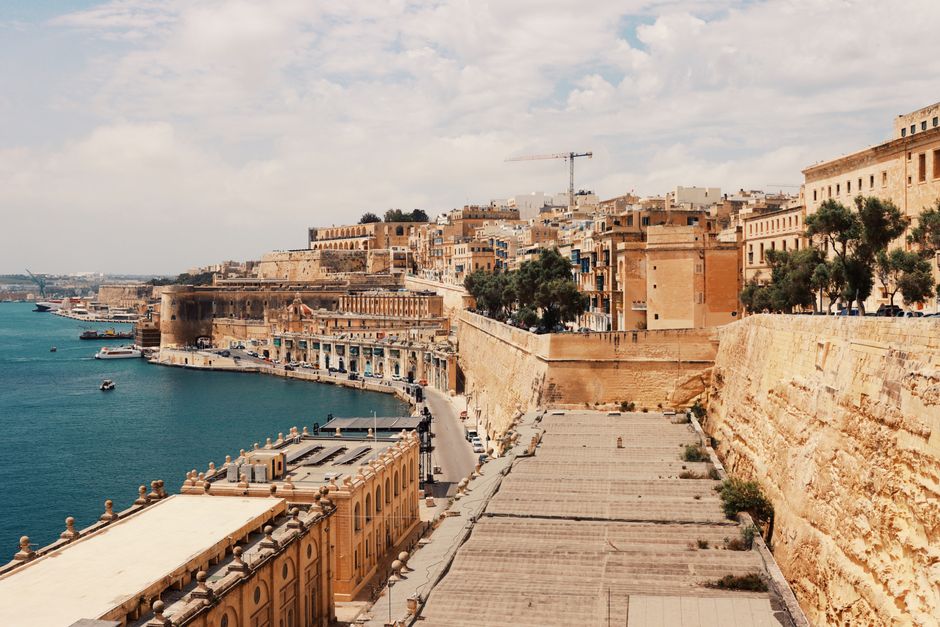
Start on foot and keep the day inside Valletta before adding a harbour crossing or distant attraction. The city is compact enough to explore, but its slopes and stone paving make a slow route more enjoyable than a checklist.
| Time | Plan |
|---|---|
| 08:30–10:00 | Walk the main streets before the heat builds |
| 10:00–12:00 | Visit one major historic interior |
| 12:00–14:00 | Eat near the centre and take a shaded break |
| 14:00–17:00 | Explore the harbour viewpoints and city gardens |
| 17:00 onward | Choose a relaxed evening route |
Do not stack every church, museum and viewpoint into the same morning. Choose one interior sight, then spend time outside. The Upper Barrakka area gives a strong harbour perspective, while the side streets reveal balconies, facades and small squares that are easy to miss when moving between marked attractions.
Wear shoes with grip. Valletta’s polished stone can become slippery, and the hills are more demanding than photographs suggest. Carry water, especially between June and September. The best verdict for day one is simple: stay local, walk slowly and let Valletta provide the variety.
Day two: why Mdina and Rabat work better together
Start in Mdina before the crowds arrive
Mdina is at its strongest early in the day. The fortified city has a compact street plan, high walls and a quiet mood that disappears when groups fill the narrow lanes. Enter through the main gate, follow the central streets, and allow time for the views across the island. The point is not to cover every corner. It is to understand how the old capital was shaped by defence, religion and limited space.
Add Rabat for the history beneath the surface
Rabat gives the day more depth. Its streets feel more lived-in, and its historic sites explain how people used the area beyond the walls. Choose one underground or archaeological visit rather than trying to enter every available site. A focused visit keeps the afternoon readable and leaves room for a long meal or a short rest.
Mdina and Rabat are close enough to combine on foot, which makes them a better pairing than Mdina with a distant beach. After lunch, use the remaining hours for a nearby viewpoint or a quiet café stop. This is the day to slow down. The clear recommendation is to make Mdina the visual centre and Rabat the context, not to treat both as separate rushed attractions.
One warning matters: do not arrive late and expect a silent old city. The atmosphere changes throughout the day. Early access gives the best balance of cooler air, open views and calm streets.
Day three: the smartest way to spend one day in Gozo
Gozo should be the solution to the itinerary problem, not another item on a packed list. Pick three elements and connect them in a sensible order.
- Begin with the crossing. Check the current timetable before leaving and allow extra time for the return journey. Wind, queues and seasonal demand can affect the day.
- Choose one main historic or village stop. The Citadel in Victoria gives the clearest introduction to Gozo’s history and landscape. A village visit can replace it if local streets and food matter more than fortifications.
- Add one coastal area. Select a viewpoint, bay or cliff walk that matches the weather. Windy conditions can make exposed paths unpleasant, while hot weather makes a shaded village route the better choice.
- Leave a real lunch window. Gozo is not improved by eating on the move. A proper pause gives the island its slower character and protects energy for the return trip.
- Start back before the final rush. The last part of the day is not the time to discover one more landmark. Missing the crossing would damage the entire plan.
Public transport can work, but it requires more patience and careful routing. A car or organised transfer saves time but does not remove the need to plan. Roads can be narrow, parking can be limited, and coastal stops may take longer than expected. The best Gozo verdict is three strong stops, not eight weak ones.
What usually goes wrong, and what should be skipped?
Skip the fantasy of seeing all of Malta in one sweep. A three-day visit needs firm limits. The strongest plan gives Valletta one full day, groups Mdina with Rabat, and protects the third day for Gozo.
Should a beach replace Mdina?
Only if swimming and downtime are the main goals. A beach day can be better for families or hot-weather recovery, but it weakens the historic focus of a first visit. Do not add a beach simply because a guidebook lists it. Choose it when the trip needs rest more than another landmark.
Is a late Gozo departure worth the risk?
No. A late start leaves too little room for queues, wrong turns and weather changes. Gozo is the one day that depends on a crossing, so it needs the most practical margin. Leave early and return before the final transport pressure.
What is the final recommendation?
For a first visit lasting three days, base the trip in or near Valletta, spend day one walking Valletta, use day two for Mdina and Rabat, and reserve day three for Gozo. Keep each day geographically tight, book only the sights that genuinely matter, and protect the timetable around the crossing. That plan gives the best balance of Malta’s history, landscapes and local rhythm without turning the holiday into a race.