The classic mistake looks familiar: landing in Hobart, trying to reach the east coast, Cradle Mountain, the west coast and several small towns in one week, then spending the holiday watching road signs slide past the windscreen. Tasmania rewards slower planning. Pick a route that matches the available days, allow time for weather, and treat the island as several distinct trips rather than one checklist.
How to Plan a Tasmania Route That Actually Works
Tasmania looks compact on a map, but the roads are slower than the distances suggest. Mountain roads twist, wildlife appears near the verge, and a short stop can easily become a half-day walk. The strongest itinerary links two or three regions instead of chasing every famous view.
Start with one main landscape
Choose the experience that matters most. The east coast suits travelers who want beaches, coastal walks and small fishing towns. The central and western regions suit hikers, rainforest visitors and people who prefer dramatic weather over polished scenery. Hobart adds food, history and an easy first or final night, but it cannot replace the wilderness.
Build around daylight and weather
Keep the longest drive away from arrival day. A useful rule is to plan one major outdoor activity, one flexible stop and no more than one long transfer per day. This leaves room for rain, a closed track or an unexpected wildlife sighting without wrecking the route.
The best Tasmania itinerary is not the one with the most pins. It is the one that gives each landscape enough time to feel different.
Which Tasmanian Region Fits the Trip?
These regions are not interchangeable.
| Region | Best for | Allow | Main drawback |
|---|---|---|---|
| Hobart and the Huon Valley | History, food, galleries and short drives | 2 days | Less remote wilderness |
| East coast | Beaches, coastal walks and sunrise viewpoints | 2 to 3 days | Weather can cancel exposed walks |
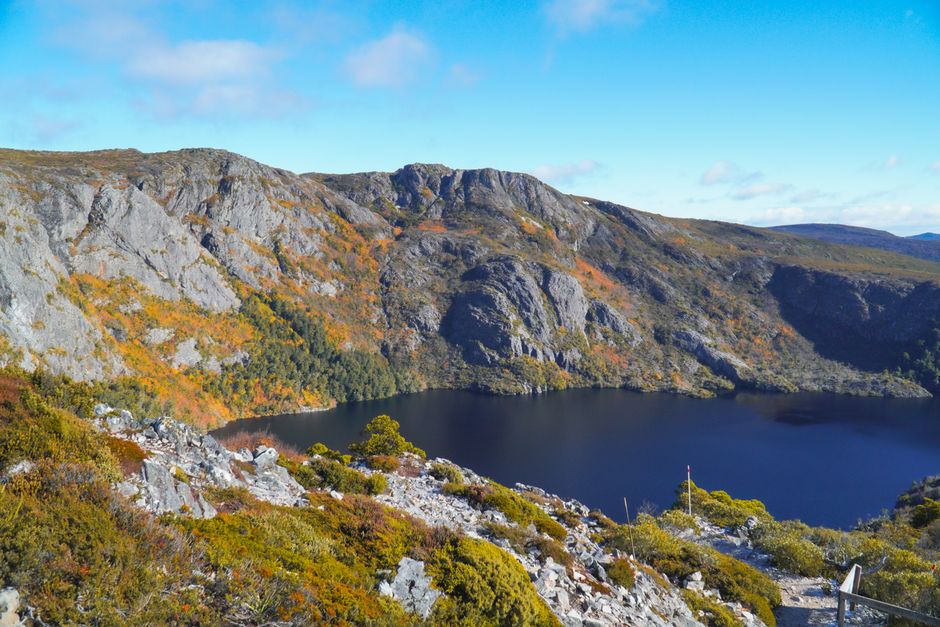
| Cradle Mountain and the Central Highlands | Mountain hikes, lakes and changing weather | 2 days | Cold conditions and limited route flexibility |
| West coast | Rainforest, rivers and mining history | 2 to 3 days | Long drives between settlements |
| North-west coast | Clifftop views, farms and quiet towns | 2 days | Too far from the main southern route for a quick add-on |
For a first visit lasting less than eight days, the east coast with Hobart is the cleanest choice. Add Cradle Mountain only if hiking is the main reason for the trip. The west coast deserves its own route, not a rushed detour.
A Practical Seven-Day Tasmania Itinerary
Use this route when the goal is a balanced first visit: city time, coast, small towns and one serious wilderness day. It keeps the driving manageable and leaves room for bad weather.
- Day 1 — Hobart: Walk the waterfront, explore the historic centre and keep the evening free after the flight. Do not schedule a distant day trip on arrival day.
- Day 2 — Hobart and Richmond: Use the morning for a hilltop viewpoint or museum, then take the short drive to Richmond for stone buildings, quiet lanes and a slower afternoon.
- Day 3 — Hobart to Swansea: Travel east through rural country. Stop at viewpoints and farm gates where permitted, then settle near the coast instead of pushing onward.
- Day 4 — Freycinet Peninsula: Start early for the main walk. Keep a shorter coastal option ready if wind, rain or track conditions make the longer route unpleasant.
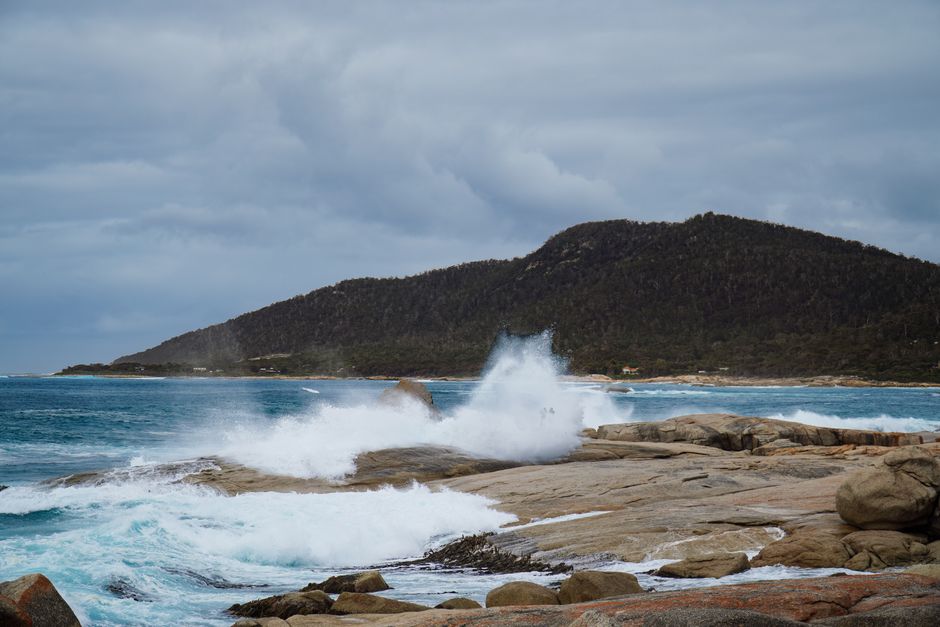
- Day 5 — Bicheno and the northern east coast: Explore beaches, rocky headlands and local roads without packing the day with scheduled stops.
- Day 6 — Bicheno to Launceston: Take the inland route and use the afternoon for food, architecture and a walk through the city centre.
- Day 7 — Launceston or return south: Choose a nearby valley or reserve rather than attempting Cradle Mountain and the airport in one compressed day.
This route is deliberately incomplete. Tasmania becomes better when one famous stop is removed and the remaining places receive daylight.
Hobart Is the Right Starting Point, Not the Whole Trip
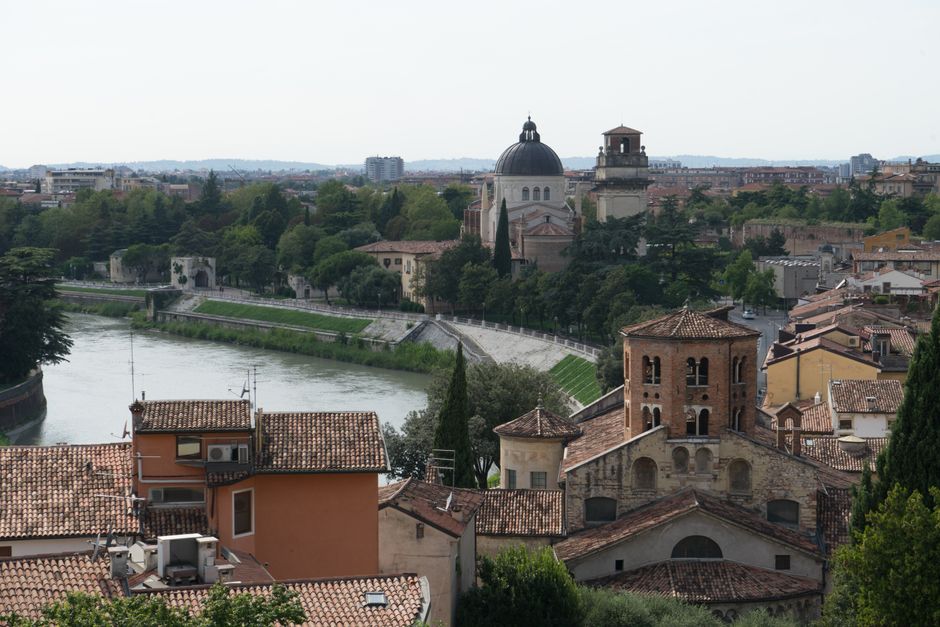
Hobart should open the journey, but it should not consume it. The city gives travelers a useful introduction to Tasmanian history, waterfront life, old sandstone streets and the island’s food culture, while its compact centre makes the first day easy after a flight or ferry crossing. The strongest city plan uses one full day for urban exploring and another half-day for a nearby landscape, then moves on before the trip turns into a standard city break. A common mistake is treating every attraction as essential, filling the schedule with indoor stops, and reaching the coast too late to enjoy it; choose one museum, one historic district, one good walk and one unhurried meal, then protect the rest of the day for weather and wandering. Hobart also works well at the end of a route because it provides a practical buffer before departure, but the final night should not be the only time reserved for the city, since a delayed mountain road or a cancelled outdoor plan can remove the entire experience. The clear verdict is simple: give Hobart enough time to establish context, then let Tasmania’s coast, mountains and small towns carry the trip.
Where Tasmania Trips Break Down
Most bad itineraries fail for practical reasons, not because the destinations disappoint. Avoid these errors:
- Overloading the map: Driving from the east coast to Cradle Mountain and then to the west coast looks possible on a digital route planner, but it leaves little time for walks, meals or delays. Pick one side of the island for a short trip.
- Underestimating darkness: Rural roads become harder after sunset, especially when wildlife moves near the road edge. Finish long transfers during daylight and slow down near forested stretches.
- Ignoring weather layers: A warm morning in Hobart says little about conditions at a mountain trailhead. Pack waterproof outerwear and a warm layer even during a mild coastal forecast.
- Assuming every walk is casual: Coastal viewpoints can involve steep steps, exposed rock and strong wind. Read the distance, elevation and surface details before setting out.
- Skipping fuel and food planning: Small towns may have limited evening options, especially outside peak periods. Carry water and a basic meal plan for remote days.
- Chasing wildlife: Stop only in safe pullovers, never feed animals and keep distance. A close encounter is not worth a collision or stress to the animal.
The worst failure mode is building a route around perfect weather. Tasmania is more rewarding when the plan has a dry-weather version, a wet-weather version and enough empty space to switch between them.
Questions Travelers Ask Before Visiting Tasmania
Is Tasmania suitable without a packed schedule?
Yes, and a loose schedule is often the better choice. The island’s appeal comes from small changes in landscape: a beach road turning into forest, a quiet town appearing after a long bend, or a short walk revealing a completely different view. Two strong bases usually create a better trip than five overnight stops.
Should the east coast or Cradle Mountain come first?
The east coast is the safer first choice for travelers who want variety without demanding hikes. Cradle Mountain wins for people who want cool weather, lakes and mountain walking. Do not force both into a short trip unless the route has generous time and a backup plan for rain.
Are small towns worth overnight stays?
Yes. Swansea, Bicheno, Stanley and Strahan show a quieter side of the island that day trips often miss. Staying overnight means seeing the roads before tour traffic builds, finding local walks at the right light and avoiding a late return through unfamiliar countryside. Choose towns for atmosphere and position, not for a long list of attractions.
Choose the Tasmania Trip That Matches the Time Available
For four to five days, choose Hobart and the east coast. That route gives the clearest mix of city, beaches, coastal walks and small-town stops without turning every morning into a departure. A mountain-focused trip can work in the same time, but it needs a firm commitment to hiking and less interest in the coast.
For seven to eight days, add either Launceston and the north or Cradle Mountain, not both. The east coast plus Launceston creates a smoother trip with more settled weather options and shorter transfers. The east coast plus Cradle Mountain creates stronger landscape contrast, but the route demands better weather judgment and more careful driving.
For ten days or more, the western route becomes realistic. Strahan, rainforest roads and the central mountains deserve several nights because the distances are long and the weather can change quickly. The north-west offers another alternative for travelers who prefer cliffs, farms, local history and quiet roads over headline attractions.
When not to choose Tasmania? Skip it for a rushed long weekend built around constant movement. The island’s best moments happen between the named sights: on a half-empty road, beside a cold beach, or in a town that has no reason to perform for visitors. Give the route enough time to breathe, and Tasmania delivers exactly what the map promises but the timetable often ruins.