Is Nara worth a full day, or can the deer and temples be rushed into a few hours? A full day is the better answer. Nara works because its main sights sit within a walkable historic area, but the distances, crowds, hills, and feeding rules can catch unprepared visitors off guard. The strongest route starts early at the eastern edge of the park, moves through the major temple grounds, pauses for a proper lunch, and finishes among the quieter streets of Naramachi.
This guide focuses on what the visit actually feels like: when the paths become crowded, how to act around the deer, which temples deserve time, and where a day trip can go wrong. The clear verdict is simple: Nara is best explored on foot, with one central route and enough spare time to stop when the park becomes more interesting than the checklist.
Why Nara deserves more than a quick stop
The park is a landscape, not a single attraction
Nara Park is often reduced to a photo opportunity with deer. That misses the point. The park is a broad historic landscape where wooded slopes, open lawns, stone lanterns, shrines, temple gates, and old paths connect into one experience. The deer are part of that setting, but they are not the whole reason to visit. The best moments often happen between the headline sights, when a path narrows beneath trees or opens toward a centuries-old building.
The area also rewards a slower pace. A route that looks short on a map can take much longer because of crowds, uneven paving, temple grounds, and frequent stops. Plan for several hours of walking rather than treating the park as a short detour.
The temples give the day its depth
Todai-ji provides the grand scale, while Kasuga Taisha offers a more atmospheric experience among forest paths and lanterns. Kofuku-ji adds a central landmark near the approach to the park. Together, they create a useful contrast: monumental architecture, sacred woodland, and an urban temple district.
Verdict: Nara deserves a full day when the goal is to understand the place rather than collect one deer photograph and leave.
How to plan a one-day Nara itinerary
The most reliable schedule moves from the busiest and most popular sights toward quieter areas. Starting late creates the wrong kind of pressure: packed paths near Todai-ji, impatient deer, and too little time for Kasuga Taisha or Naramachi.
A practical route from morning to evening
| Time | Area | What to do |
|---|---|---|
| 8:00–9:00 | Nara Park entrance | Walk through the eastern park before the largest crowds arrive. |
| 9:00–10:30 | Todai-ji | Visit the temple gate, main hall, and surrounding grounds. |
| 10:30–12:00 | Kasuga Taisha approach | Follow the lantern-lined paths and forest edge. |
| 12:00–13:30 | Central Nara | Take a proper lunch break away from the busiest gates. |
| 13:30–15:00 | Kofuku-ji and nearby streets | Explore the temple district and surrounding historic lanes. |
This route keeps the major sights connected without forcing a rushed loop. It also leaves room for weather delays, crowded entrances, and the simple fact that a temple visit takes longer when the grounds are genuinely interesting.
Where to place breaks
Use the central area for lunch and rest rather than waiting until the end of the day. The eastern temple paths have fewer convenient places to sit, and fatigue makes the later walk feel longer than it is. A short break after Todai-ji keeps the afternoon usable.
Best approach: begin early, keep the morning focused, and protect the afternoon for Naramachi instead of adding another distant sight.
How to behave around Nara’s deer
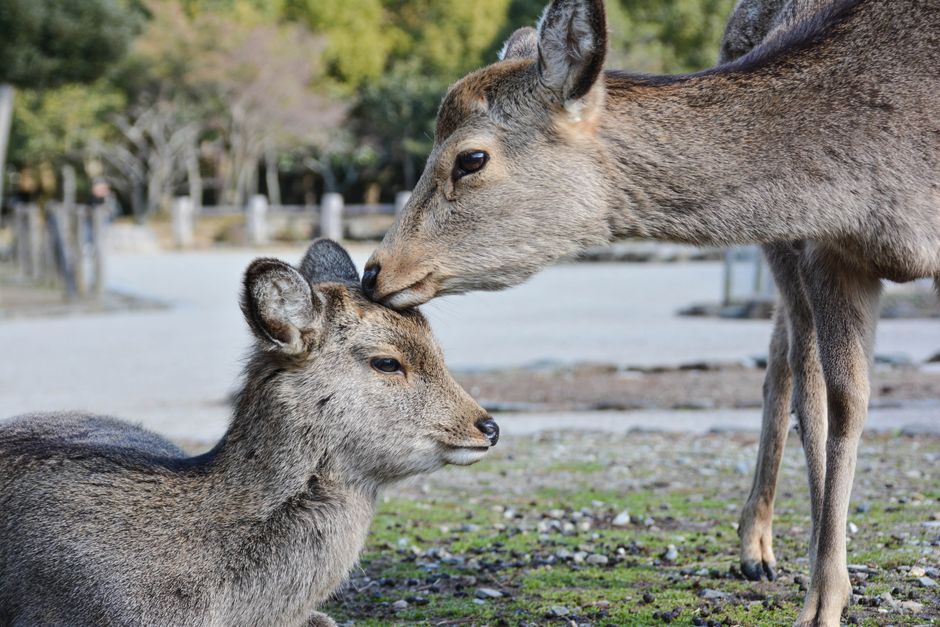
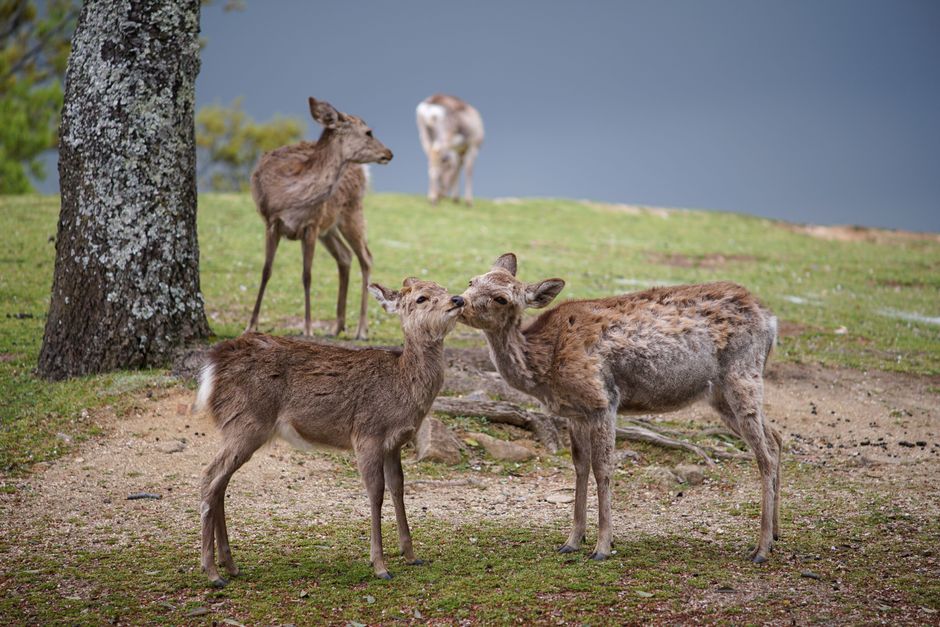
The deer are accustomed to people, but they are still wild animals with strong instincts and sharp antlers or teeth. Most problems start when visitors tease them with food, hold food out too long, or assume a bow means the animal wants to be touched. Respectful behavior makes the encounter safer and calmer.
Follow these steps
- Do not feed deer bread, snacks, or food brought from elsewhere.
- Show empty hands after the crackers are gone. Deer often lose interest once they understand there is nothing left.
- Feed one cracker at a time, keeping fingers flat. Do not wave food above an animal’s head.
- Step away from the group after feeding. Crowded deer can surround visitors quickly, especially when several people hold food.
- Keep maps, bags, paper, and food wrappers secure. Deer may grab anything that looks edible.
- Do not chase, hug, ride, or block a deer’s path. Give mothers with young animals extra space.
What to do if a deer becomes pushy
Raise empty hands, turn slightly sideways, and move toward an open space. Do not run or fight the animal. Avoid crouching beside a deer, since a sudden movement can startle it. Children need close supervision because their height and quick movements can draw more attention.
The clearest rule is also the most useful: feed quickly, show empty palms, and leave the animal alone. The deer are a highlight, not a petting zoo.
Which temples and historic areas matter most
Todai-ji is the essential first visit
Todai-ji is the strongest choice for visitors with limited time. Its approach begins with a huge wooden gate and continues toward one of Japan’s most imposing temple halls. The scale changes the mood immediately. This is not a delicate garden stop; it is a statement of religious ambition, engineering, and political power.
Allow enough time to look beyond the central statue. The gate, rooflines, timber structure, and surrounding grounds explain why the temple feels larger than a single hall. Arriving early also makes the approach easier to enjoy before tour groups fill the main path.
Kasuga Taisha is the best atmospheric contrast
Kasuga Taisha feels more intimate. The approach winds through trees and rows of stone lanterns, creating a gradual transition from open parkland into sacred woodland. It is the better choice for visitors who prefer atmosphere, walking, and small visual details over one enormous interior.
The path can feel longer than expected, especially in warm weather. Wear comfortable shoes and treat the walk as part of the visit rather than a delay before the shrine. That mindset makes the route more rewarding.
Naramachi gives the day a human scale
Naramachi shifts the focus from monuments to everyday history. Traditional townhouses, narrow lanes, small temples, and neighborhood shrines show how the old city developed beyond its major religious sites. It is the right final stop because the streets are calmer and more flexible than the formal temple grounds.
Temple verdict: choose Todai-ji for scale, Kasuga Taisha for atmosphere, and Naramachi for ordinary historic life. A one-day route should include all three.
Nara questions visitors ask before going
Is Nara suitable for a half-day visit?
Yes, but only with a strict priority list. A half-day can cover Todai-ji, a short walk through the park, and either Kasuga Taisha or Naramachi. Trying to include every major sight creates a fast walk with little time to absorb any of it. A full day is the better choice for travelers who want both temples and the historic town.
Can Nara be explored without a guide?
Yes. The main route is easy to follow, and signs around the key temples provide basic orientation. A guide adds historical context, but independent visitors can still build a strong day by reading temple information, checking opening times, and allowing extra walking time. The main risk is not getting lost; it is underestimating distance and spending too long at the first stop.
Is Nara suitable in bad weather?
Light rain can make the wooded paths beautiful, but heavy rain changes the experience. Stone paving becomes slippery, deer congregate under shelter, and long outdoor walks lose much of their appeal. On a wet day, shorten the park section, focus on the major temple buildings, and leave more time for indoor stops in the historic town.
The honest answer is that Nara is flexible, but not frictionless. A simple plan matters more than a packed list of attractions.
Common Nara mistakes and the best route choice
Best overall advice: do not treat Nara as a quick photo stop between larger cities. The visit works when the route has a beginning, a middle, and a slower final section. Most disappointing days fail because visitors arrive late, feed deer carelessly, or spend all their energy at one crowded temple.
Mistakes to avoid
- Starting at midday and expecting quiet temple grounds.
- Wearing unsuitable shoes for long paths, slopes, and uneven paving.
- Holding deer crackers while trying to take photographs.
- Adding distant attractions that force the main route into a rushed loop.
- Leaving immediately after Todai-ji and missing Kasuga Taisha or Naramachi.
Choose the route that matches the available time
| Available time | Best route | What to skip |
|---|---|---|
| 3–4 hours | Todai-ji and the nearby park | Naramachi and the longer shrine paths |
| 6–7 hours | Todai-ji, Kasuga Taisha, lunch, and Naramachi | Distant temple complexes |
| Full day | All three core areas with unplanned walking time | Nothing essential; keep the pace loose |
For most visitors, the six-to-seven-hour route is the strongest balance. It covers Nara’s famous scale, quiet woodland, and lived-in historic streets without turning the day into a march.