How can a stay in Biarritz become a proper Basque Coast journey instead of a quick beach break? The answer is a compact route that follows the coast south, adds one inland stop, and leaves enough time for tides, hills, late lunches and sudden Atlantic weather. Three days works well, while four or five days allows a slower pace and a cross-border detour.
Why Biarritz is the best base for the Basque Coast
The best overall plan is to use Biarritz as a hub, not as the only destination. The town offers an easy starting point, but the coastline changes quickly once the route moves south. Grand beaches give way to fishing harbours, steep cliffs, sheltered bays and villages where the Basque identity feels more visible in daily life.
The route works because distances stay short
Biarritz sits close to Bayonne, Saint-Jean-de-Luz and Hendaye, so a visitor can reach several different landscapes without spending the day in transit. Bayonne adds riverside streets and strong food traditions. Saint-Jean-de-Luz has a protected harbour and a more intimate beach setting. Hendaye brings a wide sandy shore and a dramatic cliff line near the Spanish border. These places are close on a map, but they do not feel interchangeable.
Choose the coast before adding the inland stop
Start with the ocean-facing towns, then use Bayonne as the inland contrast. This order keeps the first day simple and lets the trip build from familiar scenery to more local detail. A common mistake is trying to visit every beach between Biarritz and the border. That creates a schedule full of short stops and no time for a market, a swim, a walk or a proper meal. Two well-chosen towns usually create a better day than five hurried viewpoints.
Expect a trip shaped by geography rather than distance. A place that looks close may require a steep walk, a slow coastal road or a wait for the next connection. Build around one main destination each day and keep one flexible stop for weather.
What to see in three days from Biarritz
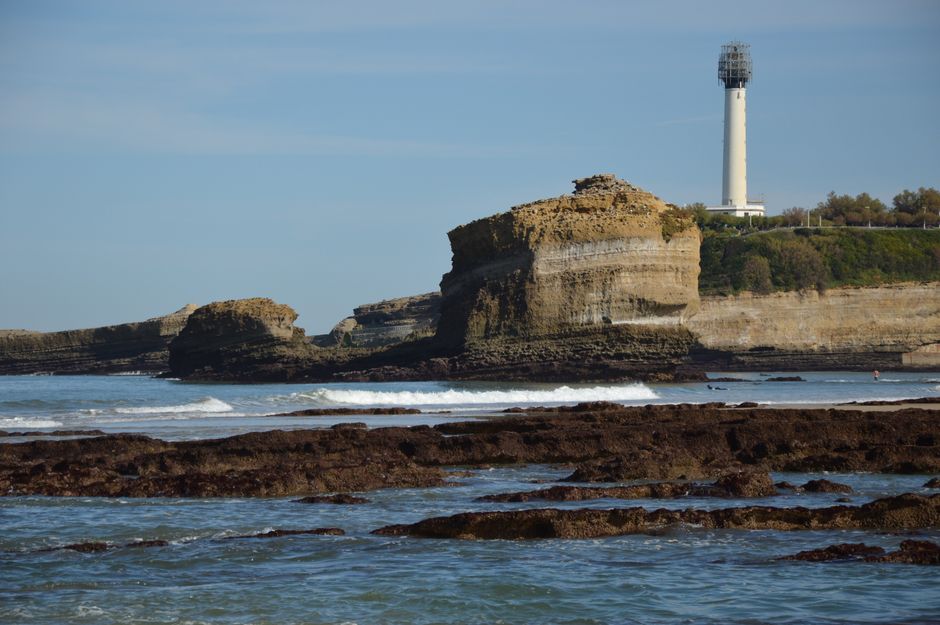
The most balanced itinerary combines one urban day, one harbour-and-beach day and one border day.
A practical three-day route
| Day | Morning | Afternoon | Evening |
|---|---|---|---|
| Day 1 | Biarritz market area, old streets and the coastal path | Grande Plage, the lighthouse area and Rocher de la Vierge | Stay in Biarritz and watch the tide change |
| Day 2 | Bayonne, including the riverside quarter and cathedral district | Saint-Jean-de-Luz harbour and beach, allowing 20 to 30 minutes of travel from Biarritz | Return to Biarritz or stay later in Saint-Jean-de-Luz |
| Day 3 | Hendaye beach and the coastal cliffs | Optional cross-border visit to Hondarribia or onward travel toward San Sebastián | Return before the final evening connection |
How to pace each day
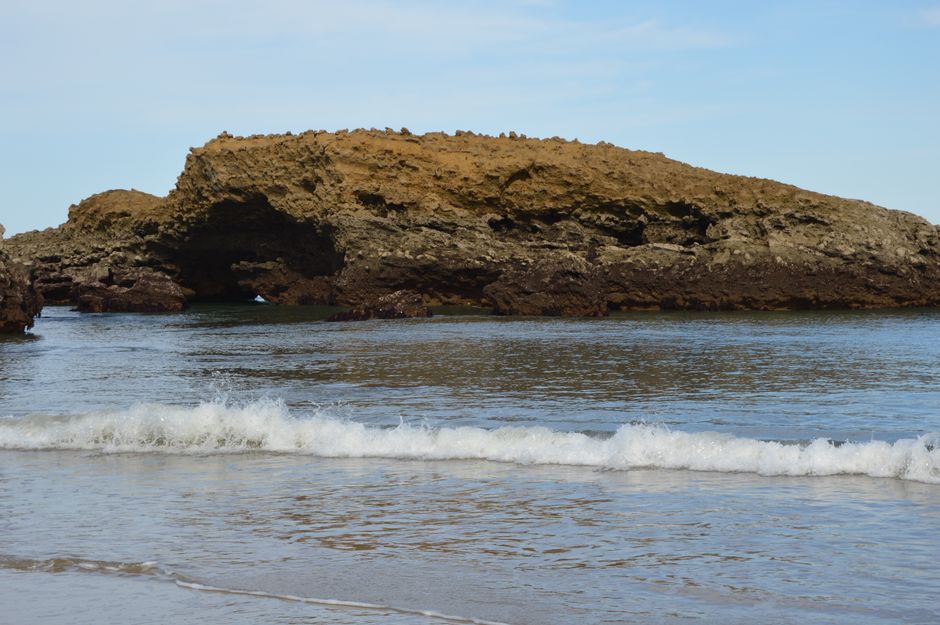
Give Biarritz at least half a day because its appeal comes from linking places on foot. The route from the central beach toward the rock lookout, harbour and lighthouse area is more rewarding when treated as a sequence of viewpoints rather than a checklist. Bayonne needs a slower morning: narrow streets, bridges and shaded squares make it easy to lose an hour without noticing.
Reserve Saint-Jean-de-Luz for the second half of Day 2 if the sea is calm and the sky is clear. Use Hendaye on Day 3 when the forecast favours open views. On a wet day, reverse the order and spend more time in Bayonne. The trip still works because the towns offer different kinds of shelter and scenery.
How to travel the Basque Coast without wasting time
Small decisions have a large effect on this route. The coast is compact, but parking, hills, tides and cross-border connections can turn a short journey into a frustrating one.
Use these six rules
- Check the tide before planning beach walks. Some stretches become narrow or slippery near high tide, especially beside cliffs and rocky coves. A coastal path is not automatically available all day.
- Choose rail or bus for town-to-town travel. Biarritz, Bayonne and Saint-Jean-de-Luz are easier to link without searching for a parking space. Road travel becomes more useful for remote viewpoints, but only when the driver accepts slower coastal roads.
- Start popular beaches before midday. The difference between an early arrival and a late morning arrival can mean an easy walk versus crowded access roads and full parking areas.
- Plan lunch around local hours. Many kitchens do not serve continuously through the afternoon. A late breakfast or a light picnic keeps the itinerary from collapsing between lunch services.
- Carry a weather backup. Atlantic conditions can shift quickly. A grey morning may clear by mid-afternoon, while strong wind can make a cliff walk unpleasant even without rain.
- Keep identification ready for the border area. Hendaye and nearby Spanish towns are simple to reach, but the journey crosses a national border, and transport arrangements may differ from the French side.
What to leave out
Skip a distant detour if it requires more than two hours of travel each way. The Basque Coast rewards pauses, not distance records. A shorter plan with time for a harbour, a market and one coastal walk will feel richer than a long list of towns viewed from a bus window.
Which Basque Coast mistakes should be avoided?
Is Biarritz enough for the whole stay?
No. Biarritz is the easiest base, but staying there for every day hides the contrast that makes the coast interesting. Add Bayonne for inland culture and Saint-Jean-de-Luz or Hendaye for a different shoreline. The strongest short trip uses Biarritz for orientation, then moves south at least once.
Should the entire coast be explored on foot?
No. Walking works brilliantly within each town and along selected coastal sections, but a full coastal traverse requires more time, stronger weather tolerance and careful tide planning. Use transport between towns, then walk locally. This separates the scenic part from the tiring part.
What happens when the weather turns?
Do not force an exposed cliff route in strong wind or heavy rain. Move inland to Bayonne, shorten the outdoor section, or use a café-and-market day before returning to the sea. Another common error is treating beach conditions as a minor detail. Large Atlantic surf can make swimming unsafe even when the beach looks inviting, and warning flags deserve immediate attention.
When should the Spanish detour be skipped?
Skip it when the stay lasts only two nights, when the border transport leaves little flexibility, or when the main goal is a relaxed French Basque experience. San Sebastián and Hondarribia add real value, but they also add planning. For a short visit, Saint-Jean-de-Luz and Hendaye give enough coastal variety without turning the trip into a race.
What the Basque Coast from Biarritz actually feels like
The coast is best approached as a chain of short, distinct experiences rather than one continuous attraction: Biarritz supplies the dramatic opening, Bayonne explains the inland character, Saint-Jean-de-Luz slows the pace around its harbour, and Hendaye delivers the broad horizon before the border; expect polished seaside areas beside working streets, French and Basque place names together, steep paths beside easy promenades, and meals shaped by local hours rather than an all-day tourist schedule.
The clearest verdict is simple: three days should follow Biarritz, Bayonne, Saint-Jean-de-Luz and Hendaye, while four or five days can add a carefully chosen Spanish stop; that route leaves room for tide checks, weather changes and unplanned pauses, which are exactly what keep the Basque Coast from feeling like a rushed list of viewpoints.
So, when the question is how to explore the Basque Coast from Biarritz, begin in the city, travel south in short stages, protect time for the sea and let one flexible day absorb the surprises; the result is a practical coastal journey with enough structure to work and enough space to feel local.