Trying to fit Takayama and Shirakawa-go into a short Japan trip can create a frustrating schedule: too much time on buses, too little time in the old town, and a rushed visit to the mountain village. The two places are close enough to combine, but they do not work best as identical stops. Takayama deserves unhurried walking, food and evening time. Shirakawa-go works best with an early arrival and a clear plan for the viewpoint, village lanes and onward transport.
The most practical choice for most travelers is two nights in Takayama, with Shirakawa-go as a planned day trip. A third night makes the journey calmer and leaves room for weather delays, a slower morning or a nearby rural excursion.
How Many Days Do Takayama and Shirakawa-go Need?
The short answer is two full days, but the better answer is two nights and at least one morning without a departure deadline. A single night can cover the headline sights, yet it turns the region into a checklist. Takayama is most enjoyable when the streets are quiet, while Shirakawa-go becomes crowded after the main morning arrivals. A rushed plan misses the reason to visit both.
Choose two nights for the essential route
Use the first day for arrival and Takayama. Walk the old town, visit the morning market if the hours fit, and leave time for a local museum or a quiet side street. The second day should begin early with the direct bus to Shirakawa-go. Allow roughly three to four hours in the village, including the walk to the elevated viewpoint, then return to Takayama for the night. This arrangement keeps luggage in one place and avoids carrying bags through a crowded village.
Add a third night for a slower mountain trip
Three nights are the stronger choice for travelers arriving from Tokyo, Osaka or another distant base. The extra night protects the plan from late trains, sold-out buses and poor mountain weather. It also allows a second look at Takayama after day visitors leave. A third day can include Hida Furukawa, a rural walking route or a relaxed food-focused morning. The verdict is clear: two nights cover the main sights, while three nights provide the better experience.
What Is the Most Efficient Route?
The cleanest route treats Takayama as the base and Shirakawa-go as a scheduled excursion. This avoids unnecessary hotel changes and gives the itinerary a stable center. Transport times vary by season, road conditions and the departure point, so the figures below are planning estimates rather than guarantees.
| Travel leg | Approximate time | Best use |
|---|---|---|
| Central Japan to Takayama | About 2 to 5 hours | Arrive before evening when possible |
| Takayama to Shirakawa-go | About 50 minutes to 1 hour | Reserve an early highway bus |
| Shirakawa-go to Kanazawa | About 1 hour 15 minutes | Useful for a one-way onward route |
| Shirakawa-go to Toyama | About 1 hour 30 minutes | Useful when continuing north |
| Takayama to Matsumoto | About 2 to 3 hours | Connects the Hida and central mountain routes |
Use Takayama as the base
Staying in Takayama gives the trip more flexibility. The station, bus terminal, old town and many dining streets are close enough to connect on foot. It is also easier to leave bags at one accommodation and take a day trip with a small daypack. The main tradeoff is that the earliest Shirakawa-go buses may require a short walk or an early departure from the center.
Use a one-way route only when the luggage plan works
Traveling from Takayama to Shirakawa-go and then onward to Kanazawa or Toyama can save backtracking. It is a good route for a larger Japan itinerary, but it leaves less room for missed buses. Large luggage can also make the village visit awkward. The bottom line: choose a one-way route only when the bus reservation, luggage storage and next hotel are already coordinated.
What Should Be Seen in Takayama?
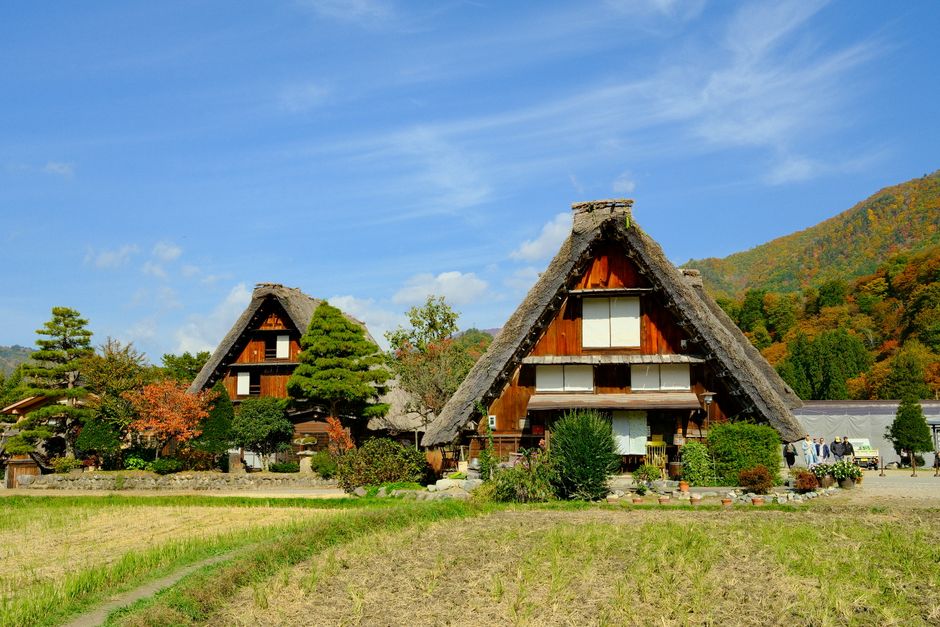
Takayama is the better place for atmosphere; Shirakawa-go is the better place for a single dramatic landscape. That distinction helps prevent an unbalanced itinerary. Takayama spreads its appeal across streets, markets, food, houses and evening views, so the visit improves when it is explored in small sections instead of one hurried loop.
Start with the old town before the crowds
Begin near the preserved merchant streets in the early morning. The dark timber façades, narrow lanes and traditional buildings are easier to appreciate before tour groups arrive. Continue toward the river and the morning market, then stop for a warm local breakfast or a simple snack. The walk is mostly gentle, but winter ice and summer rain can slow the pace. Set aside at least two hours for this area rather than treating it as a quick photo stop.
Save the afternoon for context and the evening for food
After the old town, choose one museum, historic residence or craft-focused stop instead of trying to visit every attraction. Takayama’s character comes from the link between its buildings, festivals, woodworking traditions and mountain setting. In the evening, explore the dining streets near the center, where regional dishes often use local vegetables, fermented ingredients and mountain produce. The clear recommendation is to keep the afternoon flexible. Takayama rewards wandering more than aggressive attraction collecting.
How Should Shirakawa-go Be Handled as a Day Trip?
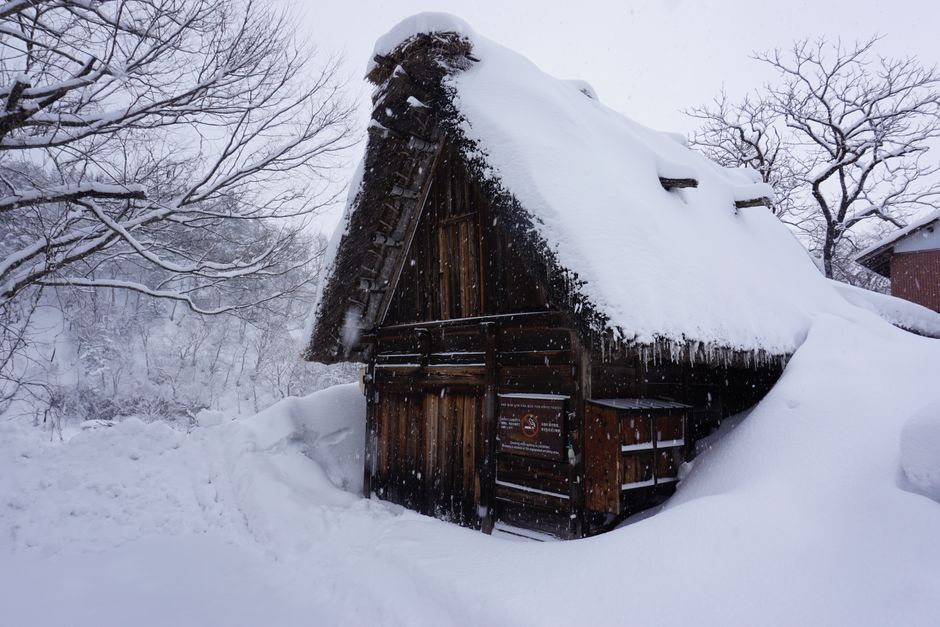
Shirakawa-go is easy to underestimate. The village looks compact on a map, but the viewpoint involves an uphill walk, buses may fill quickly, and weather can change within minutes. A successful visit is built around transport first and sightseeing second.
- Reserve the outbound bus early. Aim for a morning departure, especially during autumn foliage, winter snow and weekends. Check the return options at the same time.
- Carry only a small daypack. Suitcases are inconvenient on narrow paths, crowded buses and uneven village lanes.
- Walk to the elevated viewpoint. Allow roughly 15 to 25 minutes uphill, depending on the route and conditions. The view explains the village layout better than ground-level photos alone.
- Explore the main settlement after the viewpoint. The houses, waterways, fields and lanes are easier to understand once the wider landscape is visible.
- Keep a time buffer. Return to the terminal before the final few departures become the only options. Mountain roads can face delays from snow, rain or traffic.
Do not confuse a short visit with a complete visit
Three hours can cover the viewpoint and central lanes, but it will not allow every interior attraction, meal and photo stop. A day trip is the right choice for most travelers because it keeps the route simple. An overnight stay makes sense only for those who want a quieter village atmosphere and have arranged accommodation well ahead. The failure mode to avoid is arriving without a return plan and assuming another bus will be available.
What Should Travelers Eat and Pack?
Which local foods fit a busy itinerary?
Look for Hida-region dishes built around beef, mountain vegetables, buckwheat noodles, fermented foods and miso-based flavors. A morning market is useful for small snacks, while a proper evening meal deserves more time. Seasonal menus can change, and smaller restaurants may close between lunch and dinner. The strongest approach is to eat one substantial local meal each day rather than chasing a long list of named dishes.
What belongs in the daypack?
Pack shoes with grip, a compact rain layer, water, a portable battery, tissues and a small towel. Summer can bring heat and sudden rain; autumn mornings may feel cold; winter paths can be icy even when roads are clear. A lightweight bag is more useful than extra clothing. The practical verdict: prepare for changing mountain conditions, not just the forecast in the city where the day began.
How much walking is realistic?
Takayama can be covered on foot at a comfortable pace, but a full day may reach 8 to 12 kilometers when markets, museums and side streets are included. Shirakawa-go adds uneven paths and an uphill viewpoint. Travelers with limited mobility should check the viewpoint route and bus access before committing to a tight schedule. There is no advantage in forcing every path; the village can still be appreciated from the central lanes and lower viewpoints.
Which Itinerary Fits the Trip?
The best itinerary is the one that matches the available time without pretending the mountain roads work like city transit.
| Available time | Recommended plan | Main compromise |
|---|---|---|
| One day | Visit Takayama or Shirakawa-go, not both in depth | The second place becomes a rushed transfer |
| Two days and one night | Takayama arrival, early Shirakawa-go day trip, evening departure | Little protection against delays |
| Three days and two nights | Takayama day, Shirakawa-go day trip, flexible third day | Requires an extra night in the region |
Make the final decision before booking transport
Choose the two-night plan when the goal is to see both highlights efficiently. Choose three nights when the trip follows a long arrival from another major city, includes winter travel or allows little tolerance for missed connections. Avoid adding a second rural overnight simply because the map makes it look close. The distance is short; the transport network is still schedule-based.
Bottom line: base the trip in Takayama, reserve an early bus to Shirakawa-go, keep luggage light and protect the schedule with one flexible block. That structure delivers the old town, mountain village and regional atmosphere without turning the Japanese Alps into a race between terminals.