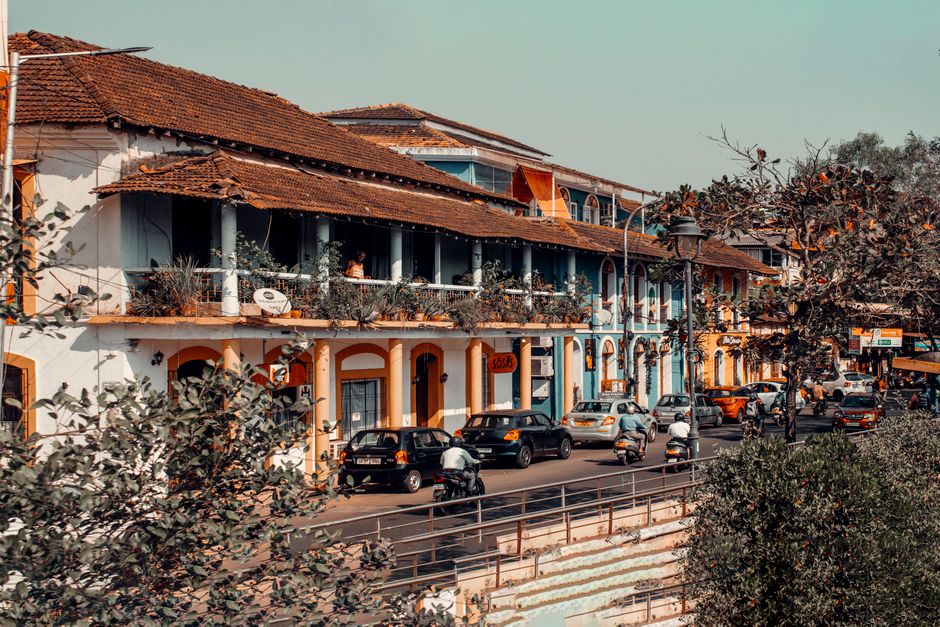
Wondering how to see Goa’s historic churches and inland spice farms without losing a full day to traffic, heat, or poorly timed visits? The best route starts early in Old Goa, continues towards Ponda, and leaves enough space for a slow farm meal and a quieter view of the state.
Why visit Goa beyond the beaches?
Goa’s coastline is easy to reach, but the inland districts explain why the state feels different from other beach destinations. Old Goa holds the remains of the former colonial capital, while the Ponda area shows how Hindu temples, forested hills, and agricultural traditions shape everyday life. A day away from the sand adds history, food, architecture, and local context.
What the inland route adds
The church district is compact and walkable. Large white façades, laterite walls, quiet courtyards, and old burial grounds sit close together. The main sites can be covered in two to three hours if the visit begins before the strongest midday heat. The experience is more rewarding when treated as a heritage walk rather than a quick list of photographs.
Why the order matters
Start with Old Goa before 9 a.m., then travel towards Ponda for a farm visit and lunch. This order avoids the worst heat during the outdoor church walk and places the longer rural drive after the busiest sightseeing period. The inland route is not a replacement for the beaches. It is the part of the trip that gives the beaches a setting.
What is the best route from Panaji to Ponda?
The simplest route runs east from Panaji to Old Goa, then south-east towards Ponda. Old Goa is roughly 10 to 12 kilometres from Panaji, while the church district to Ponda is about 28 kilometres by road. Actual travel time changes with traffic, roadworks, rain, and festival crowds.
A practical one-day route
| Time | Stop | Suggested duration |
|---|---|---|
| 7:30–8:00 | Leave Panaji | 30–45 minutes |
| 8:15–10:45 | Old Goa church district | 2–2.5 hours |
| 11:00–12:00 | Drive towards Ponda | 45–60 minutes |
| 12:00–3:00 | Spice farm visit and lunch | 2–3 hours |
| 3:00–4:30 | Return or add one temple stop | 1–1.5 hours |
The clear choice for a first visit is a single-direction loop, not repeated trips from the beach area. Keep the final afternoon open. Rain can slow the return, and rural roads are less predictable than the main highway.
Which churches should be visited in Old Goa?
Old Goa rewards a short, focused route. The largest landmarks sit close enough to connect on foot, but each one has a different character. Plan for respectful clothing, quiet voices, and time to look beyond the main façade. Religious buildings remain active places of worship, not only heritage attractions.
Begin with the Basilica of Bom Jesus
The Basilica of Bom Jesus is usually the anchor of the visit. Its darkened laterite exterior contrasts with the pale churches nearby, and the interior holds the tomb of Saint Francis Xavier. Arrive early to see the building with fewer groups and softer light. Photography rules can vary inside, so follow posted instructions and local staff directions.
Continue through the nearby churches
The Sé Cathedral is notable for its scale and broad interior, while the Church of St Francis of Assisi combines a quieter feel with carved and painted details. A useful walking plan is to choose two major interiors, one exterior stop, and ten minutes for the surrounding grounds.
Do not measure the visit by the number of buildings entered. The strongest experience comes from noticing the shift between monumental churches, small lanes, red earth, palms, and the Mandovi-region landscape.
How should a spice farm visit be planned?
A spice farm is more than a place to eat lunch. The useful part is seeing how crops grow in a humid, layered landscape rather than encountering spices as anonymous items in a market. Farms around Ponda often combine a guided walk, a traditional meal, and demonstrations of local growing methods.
Choose a farm with a real guided walk
Ask how long the walk lasts, which crops are in season, and how much of the visit takes place outdoors. A meaningful tour should identify plants such as cardamom, black pepper, turmeric, ginger, nutmeg, and cashew, while explaining shade, water, climbing support, and harvesting. A short garden stroll followed by a meal is fine, but it should be described honestly as a brief introduction.
Prepare for mud, insects, and a slower pace
Wear shoes with grip, light clothing that covers the shoulders, and fabric that dries quickly. The ground can become slippery during the monsoon, and mosquitoes are common near dense vegetation. Carry drinking water, but avoid disposable plastic when possible. The best visit is unhurried: listen to the guide, smell leaves after they are opened, and ask how household cooking uses each crop.
Choose the farm walk over a staged performance when the goal is to understand Goa’s food culture. A smaller group and a longer outdoor explanation usually offer more value than a large lunch setting with little access to the plantation.
What does a realistic one-day itinerary look like?
The following plan works for travellers based in Panaji, central Goa, or nearby beach areas. It allows for delays and avoids placing every stop at the hottest part of the day.
- 7:30 a.m. Leave the accommodation with water, sun protection, and clothing suitable for religious sites.
- 8:15 a.m. Reach Old Goa and begin with the Basilica of Bom Jesus before walking towards the Sé Cathedral.
- 10:30 a.m. Finish the central church route. Use the remaining time for one smaller church or a quiet courtyard stop.
- 11:00 a.m. Travel towards Ponda. Allow extra time if rain is falling or roads are busy.
- A guided walk of 45 to 75 minutes gives enough time to understand the main crops.
- Add a temple only if the group still has energy and the clothing is appropriate.
This schedule works because it puts walking first, the rural visit second, and optional stops last. The itinerary should be shortened during heavy rain or for anyone uncomfortable with uneven paths.
What mistakes should visitors avoid?
The inland route is easy to underestimate. Three small planning errors cause most disappointing days: starting too late, packing for the beach alone, and treating every religious site as a quick photo stop.
Is one afternoon enough for Old Goa and Ponda?
It can work for a brief overview, but it is not the strongest choice. Starting after lunch often means arriving at Old Goa in peak heat and reaching the farm near the end of its normal visiting window. A full morning and early afternoon create a calmer sequence. If only half a day is available, choose Old Goa alone rather than forcing both areas into a rushed schedule.
What should not be assumed about transport?
Short map distances do not guarantee short journeys. Traffic near Panaji, wedding processions, monsoon flooding, and narrow rural roads can add substantial time. Confirm the return arrangement before leaving the farm, especially if travelling by hired car or local taxi.
How should religious sites be approached?
Cover shoulders and knees, remove shoes where requested, and avoid loud conversation during services. Do not block entrances for photographs. These actions are simple, but they change the tone of the visit and show respect to people using the churches for worship.
When is a two-day inland plan better?
Choose two days when the trip is about understanding Goa, not collecting landmarks. One day covers the main church district and a farm, but a second day removes the pressure created by road delays and midday heat. It also allows time for temples, village roads, local food, and a slower return to the coast.
A calmer two-day split
Use the first morning for Old Goa and keep the afternoon for nearby river landscapes or a relaxed return to Panaji. On the second day, travel to Ponda early, spend longer at a spice farm, and add one temple or market stop only if the schedule remains comfortable. This plan suits visitors interested in architecture, food traditions, photography, or local history.
When the one-day plan is still the better choice
Stay with one day if the trip already includes several long drives, if young children dislike uneven paths, or if the visit falls during intense monsoon weather. A shorter route with two excellent stops beats six hurried stops. The most memorable version of Goa beyond the beaches is not the busiest one. It is the route that leaves enough time to notice how sacred buildings, farms, roads, and food traditions fit together.
Goa’s inland attractions will keep rewarding slower travel as more visitors look beyond the shoreline. Old churches and spice farms offer a practical starting point for seeing the state as a living region rather than a beach stop with day trips attached.