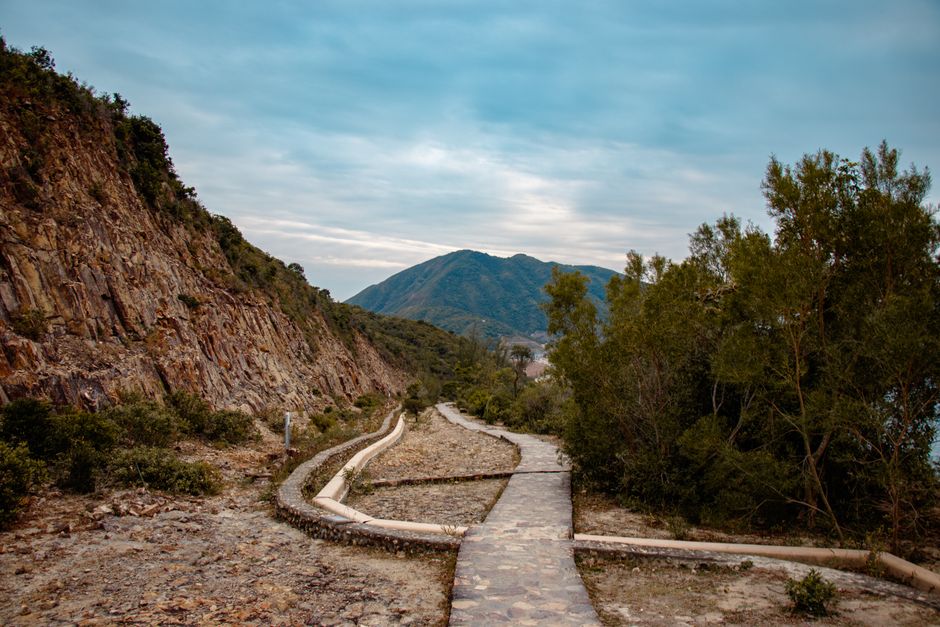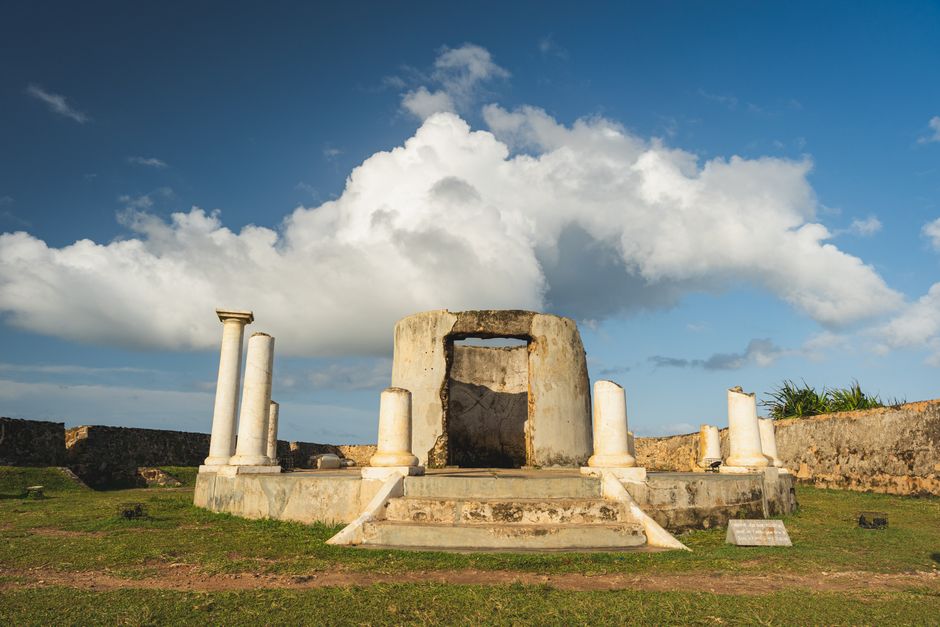
The usual problem starts with a simple plan: arrive in Galle, see the famous fort, then follow the coast toward the beaches. On the map, the distances look small. On the road, traffic, heat, slow trains, busy beach towns and sudden rain can turn a neat route into a tiring series of transfers.
The answer is to treat the coast as a sequence of different landscapes, not one long beach. Galle Fort suits walking and history. Unawatuna works for an easy first swim. Weligama brings a livelier surf-town feel, while Mirissa and the coast farther east offer a slower base. A good route leaves space for weather, meals and unplanned stops.
How to Read the South Coast Before Choosing a Route
The strongest route moves from west to east without changing accommodation every night. Galle makes the best first base because it combines a transport hub, a compact historic centre and easy access to the coast. After that, one move toward Weligama, Mirissa or Tangalle gives the trip a different rhythm without turning every day into a packing day.
Galle is a town, a fort and a working port
Galle does not feel like a sealed heritage attraction. The fort sits inside a living city, and the streets around it carry school traffic, delivery vehicles, tuk-tuks and local shoppers. Inside the walls, the lanes feel calmer, but the surface is uneven and the shade changes quickly. A two- to three-hour walk covers the main ramparts, the lighthouse area, the old churches, the mosque, the clock tower and the narrow streets near the eastern gate. A longer visit allows time for small courtyards, cafés and quiet corners away from the sea wall.
Start early if possible. Morning light makes the ramparts more comfortable, and the stone absorbs heat by midday. The fort becomes more atmospheric near sunset, but the ramparts can feel crowded at the most popular viewpoints. The best compromise is an early walking loop followed by a late-afternoon return to one section of the wall.
The coast changes every 30 minutes of travel
Unawatuna lies close to Galle and offers the easiest beach add-on, but its central strip can feel busy. Weligama has a broad bay and a strong surf culture, with more open space than Unawatuna. Mirissa feels smaller and more compact, while beaches farther east often reward travellers who want quiet mornings and fewer evening options. Travel times change with traffic, roadworks and rain, so a route that looks efficient on a map may not save much time.
Weather should shape the direction. The southwest coast often has its clearest beach conditions from December to April, while the southwest monsoon can bring rougher seas and heavy showers from May into September. October and November can produce unsettled conditions. The safest plan keeps cultural visits flexible and avoids building the entire trip around swimming or boat departures.
A 5-Day Galle Fort and South Coast Itinerary
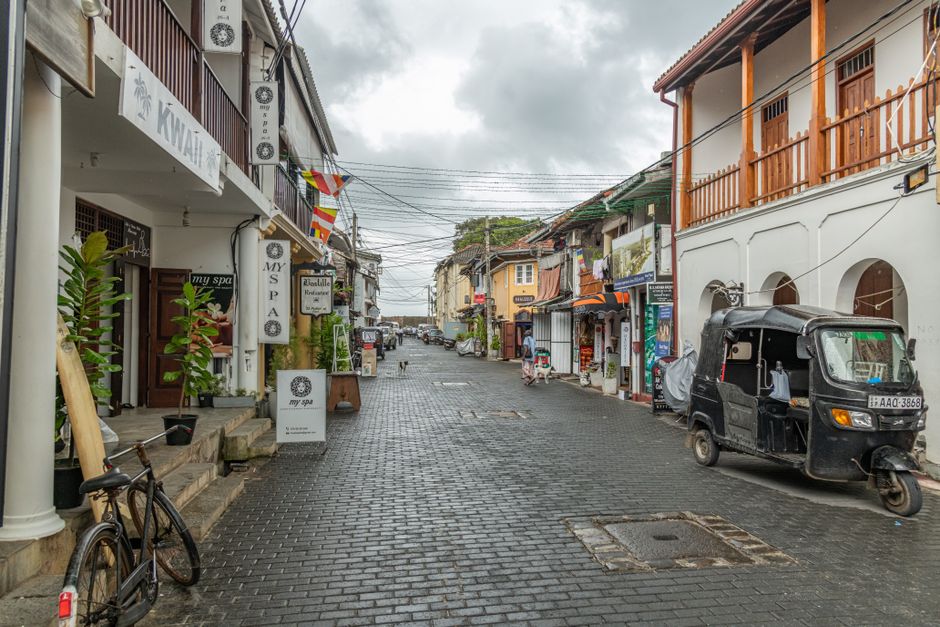
This five-day route works best with two bases: Galle for the first two nights, then one beach town for the remaining nights. It gives the fort proper attention and limits the amount of luggage carried between stops.
| Day | Base | Main plan |
|---|---|---|
| 1 | Galle | Arrival, fort orientation, rampart walk and sunset |
| 2 | Galle | Fort at a slower pace, local market area and nearby coast |
| 3 | Weligama or Mirissa | Transfer east, beach time and an unhurried evening |
| 4 | Weligama or Mirissa | Surf lesson, coastal walk, food stop or inland village visit |
| 5 | Departure point | Early beach walk, breakfast and onward travel |
Choose Weligama for easier logistics
Weligama is the practical choice when the trip needs flexibility. Its wide bay makes it easier to find a stretch of sand, and its position works well for short visits to nearby coastal towns. It also suits beginners who want to try surfing because the bay offers gentler sections than many exposed beaches. The trade-off is atmosphere: the town feels busier and more spread out than Mirissa.
Choose Mirissa for a compact beach stay
Mirissa suits travellers who want a smaller beach setting and a simple evening routine. The main beach is easy to reach on foot from much of the central area, and the rocky headland creates a memorable viewpoint when the sea is calm. Boat trips depend on weather and sea conditions, so they should never carry the whole itinerary. For a short route, the clearest verdict is simple: choose Weligama for transport and activities, or Mirissa for a compact beach break.
What to Expect Inside Galle Fort
Galle Fort is worth more than a quick photograph from the lighthouse. Its appeal comes from the contrast between thick defensive walls, ocean views, religious buildings, restored houses and ordinary daily life. Visitors who rush through the main landmarks miss the strongest part of the experience: walking without a fixed destination and noticing how the old layout still functions.
The ramparts are the first walk to make
Begin near the eastern side and follow the walls toward the lighthouse, then continue along the seaward edge. The walk takes around 45 minutes without long stops, but two hours gives enough time for photographs, shade and changing views. Wear shoes with reliable grip. Some stones are smooth, and the edge has exposed drops in places. The ocean side offers little shade, so early morning or late afternoon works better than midday.
The streets need slower expectations
Inside the fort, distances are short but the experience is not a checklist. Look for old doorways, verandas, small shrines and buildings that reveal different periods of colonial and South Asian history. The fort also contains places of worship. Clothing that covers shoulders and knees helps when entering religious sites, and shoes may need to come off. Quiet behaviour matters more than taking a perfect photograph.
Food stops range from simple local meals to cafés aimed at visitors. A sensible approach is to eat at different times rather than waiting for sunset, when demand rises and seating becomes limited. Rice and curry, hoppers, roti, sambol and seafood reflect the region better than a meal chosen only for its view. Ask about spice levels clearly, but expect even a mild dish to carry more heat than a typical Western meal.
Galle Fort also has a practical weakness: the combination of heat, hard stone and long walking can drain energy quickly. Carry water, plan a shaded break and avoid treating the fort as a half-day sprint. The most rewarding visit has two short walks separated by a proper rest.
South Coast Mistakes That Ruin a Good Trip
Most disappointing South Coast trips fail through timing, not destination choice. The following mistakes are easy to prevent and matter more than finding a perfect beach.
Four planning errors to avoid
- Changing hotels every night. Galle, Unawatuna, Weligama and Mirissa sit close together on a map, but bags, check-in times and traffic consume more of the day than expected. Two bases are enough for five days.
- Scheduling the fort at midday. The stone walls reflect heat, and the exposed ramparts offer limited shade. Start before the hottest part of the day, then return near sunset for a different atmosphere.
- Assuming every beach is safe for swimming. Waves, currents, reefs and seasonal conditions vary by cove. A beach that looks calm from shore may still have a strong pull. Follow local warnings and swim near areas with other bathers.
- Building the route around one boat trip. Sea conditions can cancel departures, especially during unsettled weather. Treat marine excursions as an option rather than the reason for booking a particular town.
Small mistakes with a large effect
- Agree on a tuk-tuk fare before departure, or ask for the meter when available.
- Allow extra road time during school runs, market periods and heavy rain.
- Do not enter a temple or mosque in beachwear. Cover shoulders and knees and follow signs about shoes.
- Use reef-safe habits: avoid standing on coral, do not touch marine life and take rubbish away from quiet beaches.
The clearest rule is to protect the day’s main experience. If the fort matters most, do not add a distant beach, a market and a long transfer to the same afternoon. If swimming matters most, leave room to change beaches when the sea turns rough.