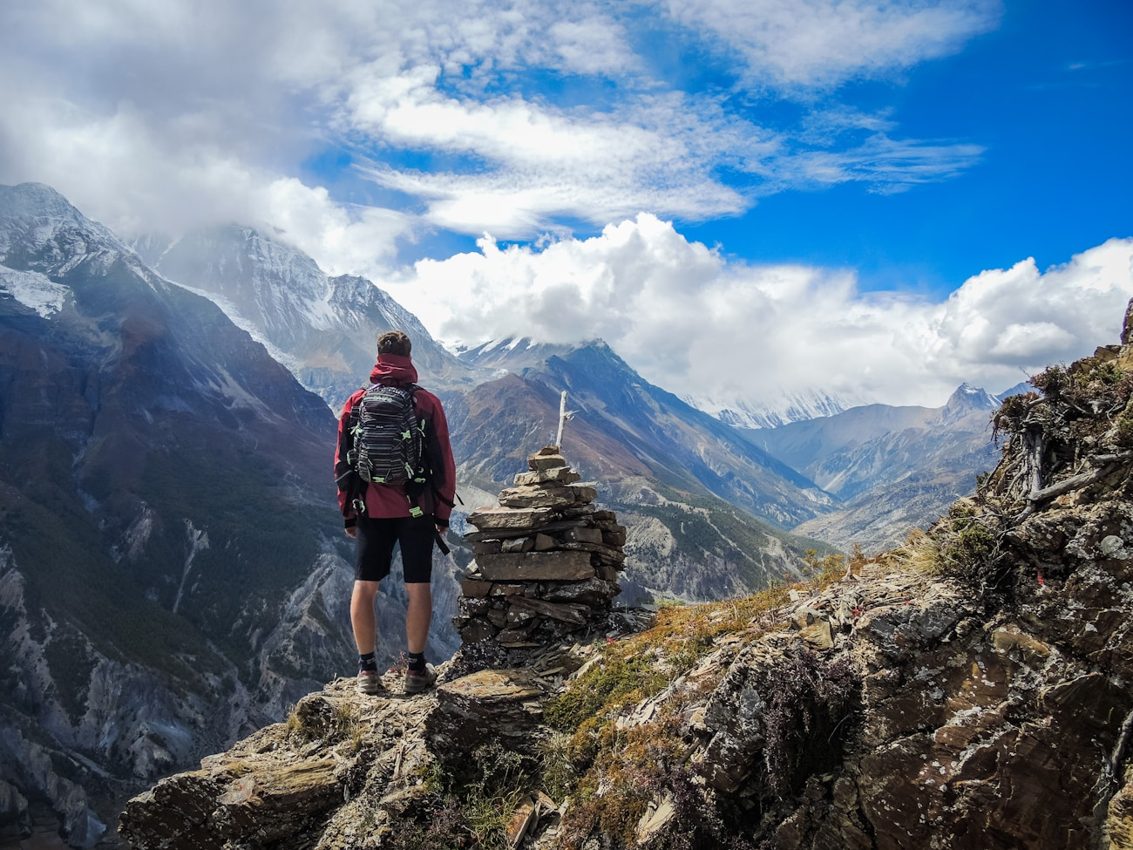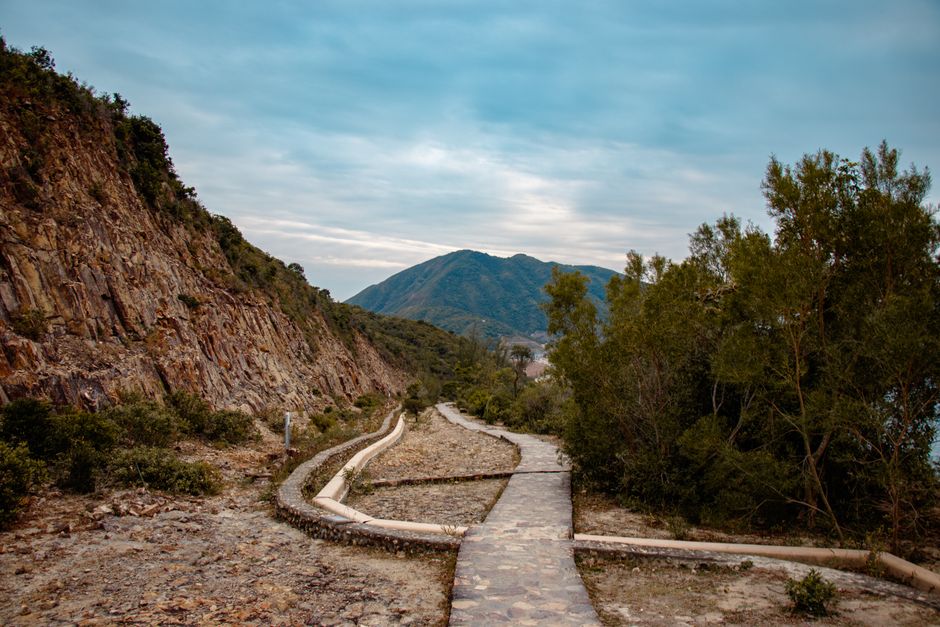
The common misconception is that its best natural scenery sits far from the city. Several rewarding trails begin within easy reach of urban transport, while ferries connect the city to quiet beaches, fishing villages and island paths. The key is matching each route to the weather, daylight and walking ability.
How to choose between Hong Kong’s best hikes and islands
Match the landscape to the day
Choose the route by terrain first, not by the most dramatic photograph. Dragon’s Back suits a first hiking day because the path is clear, the ridge views arrive quickly and the route can finish near Big Wave Bay. Sai Kung offers the strongest combination of beaches, cliffs and open countryside, but transport takes longer. Lantau gives the biggest climbs and the widest mountain views. Cheung Chau works best when the goal is a slower island day with short walks, village lanes and coastal scenery.
| Route | Distance | Walking time | Best for |
|---|---|---|---|
| Dragon’s Back to Big Wave Bay | About 8.5 km | 2.5–3.5 hours | First-time hikers and ridge views |
| Pak Kung Au to Ngong Ping | About 6.5 km | 3–4 hours | Steep mountain walking |
| High Island Reservoir to Sai Wan | About 12 km return | 4–5 hours | Beaches and volcanic rock scenery |
| Cheung Chau coastal loop | About 7 km | 2.5–3 hours | Easy island exploration |
Choose by effort, not postcard value
For a balanced first trip, Dragon’s Back is the clear starting point. Pick Sai Kung when beaches and remote scenery matter more than convenience. Choose Lantau only when the group can handle steep steps and exposed slopes. Select Cheung Chau for a lower-effort day after two demanding hikes.
A four-day hiking and island itinerary that works
Days 1 and 2: start with the accessible routes
Begin with Dragon’s Back on the first morning. Travel to the trail entrance at To Tei Wan, walk the ridge toward Big Wave Bay and allow time for a meal or swim near the finish. Starting before 9 a.m. avoids the strongest heat on the exposed ridge. Keep the afternoon flexible because humidity can make the final descent slower than expected.
- Day 1: Dragon’s Back, Big Wave Bay and a relaxed evening in the city.
- Day 2: Take a ferry to Mui Wo, then walk through Lantau’s rural lanes toward the foothills. For a harder day, start at Pak Kung Au and climb toward Lantau Peak before descending to Ngong Ping.
- Day 3: Travel to Sai Kung East for the High Island Reservoir and Sai Wan route. Carry food and water because services are limited along the trail.
- Day 4: Choose Cheung Chau for a gentle coastal loop, or use Lamma Island for a longer village-to-village walk.
Build in a weather swap
Keep Day 4 movable. Island ferries and exposed ridges feel unpleasant in heavy rain or strong wind, while a clear morning can transform the same route. Check the marine forecast and ferry service before leaving accommodation. If visibility is poor, use the city day for markets, temples or museums and move the island route to the next clear window. This simple swap protects the best views without forcing a dangerous hike.
How to hike Dragon’s Back without wasting the morning
Follow the route from To Tei Wan to Big Wave Bay
Dragon’s Back is the best introduction to Hong Kong hiking because the route gives a mountain experience without requiring a full day away from the city. Reach To Tei Wan by public transport and begin beside the road. The first climb is short but sharp. After that, the path follows the ridge toward Shek O Peak, which rises to about 284 metres. The trail covers roughly 8.5 kilometres and normally takes 2.5 to 3.5 hours.
Keep the walking direction toward Big Wave Bay. This makes the route easier to finish because the final section descends toward the coast instead of ending on another exposed ridge. Pause at the ridge viewpoints, but avoid standing on the outer edge of the path. Loose stones and sudden gusts create more risk than the gentle-looking landscape suggests.
Handle heat, shade and the final descent
Start early, wear a hat and carry more water than the distance seems to require. Much of the ridge is open, and humidity can drain energy before thirst becomes obvious. The descent includes uneven steps and can become slippery after rain. Slow down near roots, wet rock and crowded viewpoints. At Big Wave Bay, the walk can end with food, a swim or a bus back toward the urban rail network. The verdict is simple: this is the strongest short hike for visitors who want real scenery with limited logistical risk.
Lantau or Sai Kung: which deserves a full day?
Verdict: choose Sai Kung for the most varied landscape, and choose Lantau for the strongest mountain challenge. The two areas serve different purposes, so forcing both into one day weakens the experience. Sai Kung combines reservoir roads, beaches, sea cliffs and quiet valleys. Lantau feels more mountainous, with long stair climbs, open grassland and broad views across the coast.
Pick Sai Kung for beaches and volcanic coastlines
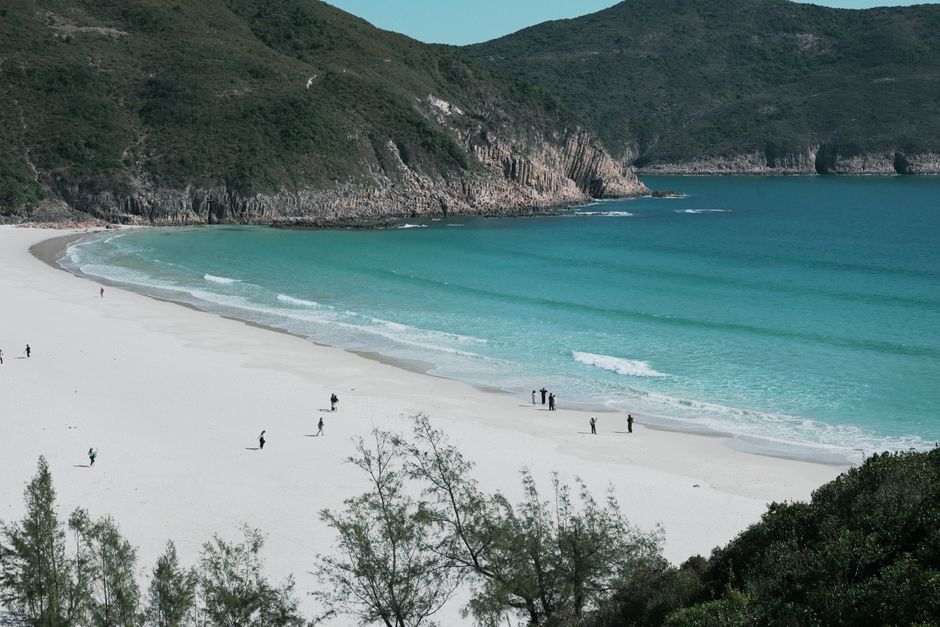
The High Island Reservoir to Sai Wan route is the better choice for a group that wants several kinds of scenery in one walk. The route begins with engineered paths and reservoir views, then reaches beaches backed by green hills. Sai Wan is the main reward, but the return journey still requires time and energy. Start early, carry lunch and arrange the return transport before the last descent. Do not assume a late vehicle will appear after sunset.
Pick Lantau for elevation and rural contrast
Lantau suits stronger hikers who want a clear sense of height. The climb from Pak Kung Au toward Lantau Peak reaches about 934 metres, with steep steps and little shelter on exposed sections. Clear weather produces exceptional views; cloud can reduce the reward to a demanding uphill walk. Choose Lantau when the forecast is stable and the group accepts a slower pace. For mixed abilities, Sai Kung is the safer winner because the scenery arrives with less continuous climbing.
What to carry and when to go hiking
Use a simple trail checklist
Pack for heat, sudden rain and limited services rather than for an imaginary expedition.
- Carry at least one litre of water per person for a short route and more for Sai Kung or Lantau.
- Bring light food, especially when the route includes beaches or remote villages with uncertain opening hours.
- Wear shoes with firm grip. Smooth casual soles become unreliable on wet rock and moss.
- Pack sun protection, insect repellent, a small rain layer and a basic first-aid kit.
- Keep a charged phone and an offline map. Mountain paths can lose signal near valleys and reservoirs.
- Carry a small bag for rubbish. Some trails have no bins for long stretches.
Choose the season and starting time
October to March usually brings the most comfortable hiking conditions, although winter days can still feel warm in direct sun. April to September brings higher humidity, sudden rain and stronger heat. Typhoon warnings, thunderstorms and very wet ground can close off the best sections. Start exposed routes before 9 a.m. and check the forecast again before departure. The best plan is the one that leaves enough daylight for the return, not the one that squeezes in the longest possible trail.
Questions that change the hiking plan
Is one hike enough for a short visit?
Yes. For a two-day stay, choose Dragon’s Back and one island or coastal half-day. Adding Sai Kung, Lantau and Cheung Chau creates long transfers and leaves little time to recover. Dragon’s Back provides the clearest value when the schedule is tight because the transport connection is simpler and the route can finish near the coast.
What happens when rain starts on the trail?
Do not continue onto exposed ridges during thunder or heavy rain. Turn around before streams rise and before stone steps become slick. A route that feels easy in dry weather can change quickly under tropical rain. Keep an urban alternative available, and do not treat a weather warning as a minor inconvenience.
Can beginners manage Sai Kung or Lantau?
Beginners can manage parts of both areas with a slow pace and an early start, but the full routes are not casual walks. Sai Kung is the better first choice because the terrain varies and the hardest sections can be shortened. Lantau requires more commitment because steep steps continue for long stretches. The most common mistake is judging difficulty by distance alone; elevation, heat and the return journey matter more.