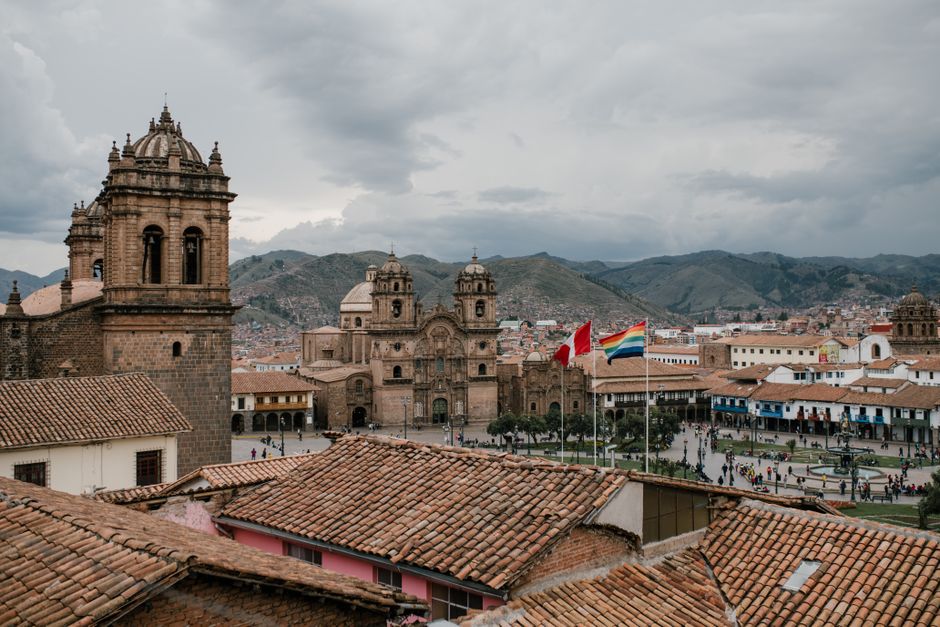
Start in the Sacred Valley, Not Cusco
The common mistake is treating Cusco as the easiest landing point for an Andes trip. It is the highest major stop on this route, sitting at about 3,400 metres above sea level. The Sacred Valley is lower, warmer, and usually easier on the body. Starting there gives the lungs and legs time to adjust before the steep streets of Cusco.
Why the lower valley works better
Places such as Pisac, Urubamba, and Ollantaytambo sit roughly between 2,700 and 3,000 metres. That difference matters after a long flight. The valley also offers slower mornings, open farmland, river views, and shorter walks through archaeological sites. The best arrival plan is two nights in the valley, followed by three nights in Cusco. This order reduces the chance of losing a full day to headache, nausea, or poor sleep.
What the first day should look like
Keep the arrival day quiet. Drink water, eat a light meal, and take a short walk rather than planning a major ruin or mountain hike. Avoid alcohol and intense exercise during the first evening. A gentle visit to a village square or riverside viewpoint is enough. For most travellers, this is the clearest route to enjoying the region instead of forcing the body to perform before it has adjusted.
A Seven-Day Route That Keeps Travel Time Under Control
The strongest itinerary uses the valley as a gradual introduction, places Machu Picchu in the middle, and leaves Cusco for the final days. Long road transfers can make the map look smaller than the journey feels, so each day below keeps one main goal.
Suggested itinerary
| Day | Base | Main plan |
|---|---|---|
| 1 | Urubamba | Arrival, rest, short village walk |
| 2 | Urubamba | Pisac market and nearby ruins |
| 3 | Ollantaytambo | Transfer through the valley, terraces and village |
| 4 | Aguas Calientes | Rail journey and overnight near Machu Picchu |
| 5 | Cusco | Machu Picchu visit, return to Cusco |
| 6 | Cusco | Historic centre and nearby viewpoints |
| 7 | Cusco | Flexible morning and departure |
Where the plan needs flexibility
Rail schedules, road conditions, weather, and mountain access can change. Keep the most important site early enough to allow a backup day when possible. A shorter route through the valley is better than adding every famous stop and spending the entire week in vehicles. For a six-day trip, remove the second valley night only if the traveller arrives early and feels well; keep the Cusco acclimatization day intact.
Altitude Changes What a Normal Day Feels Like
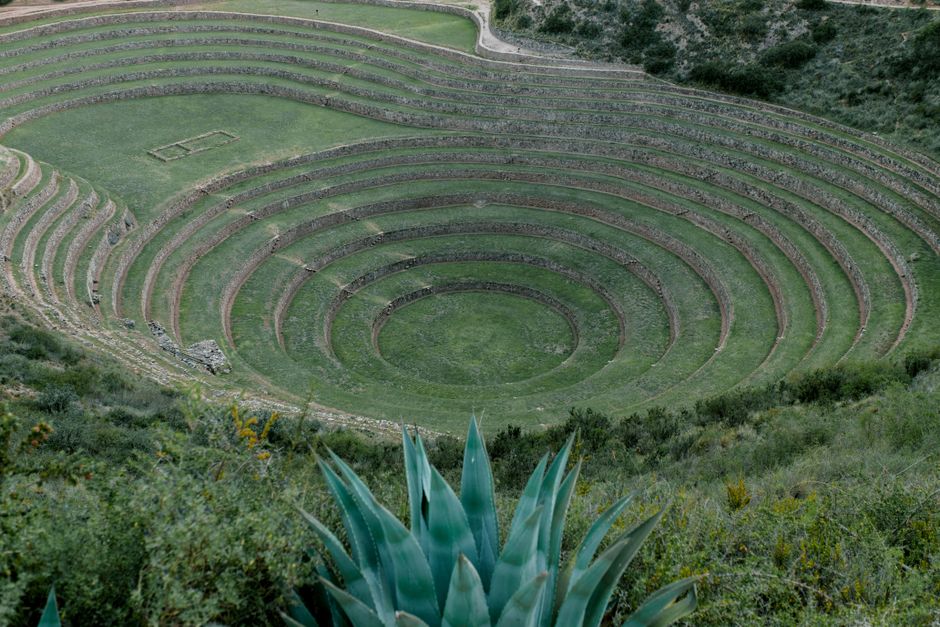
Altitude is the main reason a simple sightseeing day can feel unexpectedly hard. The issue is not fitness alone. Thin air can raise breathing effort during stairs, reduce sleep quality, and make dehydration feel stronger. The correct verdict is simple: plan less than seems necessary for the first two days and add activity only after the body responds well.
Signs to slow down
A mild headache, tiredness, dry mouth, and restless sleep are common during adjustment. Slow walking, regular water, small meals, and early nights can help. Do not treat serious symptoms as a test of toughness.
How to handle walking days
Use the first full day for flat streets and short visits. Save long stair climbs, high viewpoints, and strenuous hikes for later. Leave extra time between stops, because rushing uphill often turns a pleasant visit into a recovery period. Comfortable layers matter too: Andean mornings can feel cold, while direct sun becomes strong by midday. A hat, sun protection, and rain coverage are practical necessities, not optional extras.
Four Local Habits That Make the Route Smoother
Small choices have a bigger effect here than a packed schedule. These four habits prevent the most common travel errors.
- Carry small change. Public toilets, local transport, and small food stalls may not accept large notes or cards. Keep modest denominations separate from the main wallet.
- Ask before photographing people. A market or festival is not a free photo set. A polite question and a small agreed payment show respect when a portrait is requested.
- Confirm the destination before entering a taxi. Say the neighbourhood or landmark clearly, check the route on a map, and agree on the fare before moving. Official taxi stands or pre-arranged rides are safer at night.
- Build around daylight. Rural roads and mountain viewpoints are harder to navigate after dark. Start early for valley sites and return before evening when possible.
One more rule improves almost every day: eat before becoming very hungry. Long transfers, limited rural options, and altitude can turn a missed meal into a headache. Local soups, rice dishes, potatoes, corn, and fresh fruit provide more useful fuel than a heavy meal before a steep walk. The best travel rhythm is early breakfast, one major visit, a long lunch, and a quieter afternoon.
Questions That Change the Best Itinerary
The same route does not suit every traveller. These questions solve the decisions that cause the most confusion.
Is Cusco worth visiting if Machu Picchu is the main goal?
Yes. Cusco adds the historical and living context that the citadel alone cannot provide. Its lanes, churches, courtyards, markets, and nearby ruins show how the Inca capital developed and how the modern city grew around it. Give Cusco at least two full days. Reducing it to a rushed evening weakens the trip.
Should the Sacred Valley be a day trip?
Only when the schedule is very short. A day trip can cover one or two sites, but it creates long transfers and leaves little room for weather or delays. Staying overnight in the valley is the better choice for travellers who want local meals, quiet mornings, and a calmer pace.
Is a high-altitude hike necessary?
No. A dramatic mountain walk is not the only way to experience the Andes. Valley terraces, archaeological sites, village roads, and mountain views offer plenty of depth with less physical risk. Choose a demanding hike only after several days of good acclimatization and a clear weather forecast.
What Usually Goes Wrong—and How to Avoid It
The biggest failures come from treating distance, altitude, and weather as small details. A route that looks compact on a map can involve winding roads, delayed departures, and steep paths. The best correction is to protect the schedule around the two experiences that matter most and leave empty space elsewhere.
A safer planning method
Keep one flexible morning, protect a buffer before the flight home, and check official access information shortly before each major visit. Reserve timed archaeological entries and rail journeys carefully, because late arrival may mean losing the slot. Do not assume every trail is open after heavy rain. When a plan breaks, choose the nearest worthwhile alternative instead of chasing the original schedule across the region. A quiet town walk is better than a stressful transfer that arrives after every site has closed.
Choose the Route That Matches the Trip
There is no single correct version of Cusco and the Sacred Valley, but there is a clear best choice for each type of traveller.
| Trip style | Best structure | Main advantage | Main compromise |
|---|---|---|---|
| First visit | 2 valley nights, 3 Cusco nights | Gentle acclimatization and balanced sightseeing | Fewer optional hikes |
| Short break | 1 valley night, 2 Cusco nights | Fits a compact schedule | Less flexibility for delays |
| Culture focused | 3 valley nights, 3 Cusco nights | More villages, ruins, and local time | Requires six or more full days |
| Hiking focused | 2 Cusco nights before the hike | Better acclimatization for demanding trails | Less time for valley towns |
For a first visit, the balanced route wins: begin lower, move toward Machu Picchu, then finish in Cusco. Travellers with limited mobility should favour valley viewpoints and shorter archaeological visits over steep ruins. Families benefit from shorter transfers and slower afternoons. Independent travellers can add village walks, but the basic order should remain. The region rewards patience more than speed, and the strongest memories usually come from leaving enough room to notice the landscape between the headline attractions.