Wondering how to see the best of the Lake District without spending the whole trip in traffic or climbing a mountain every morning? The answer is to treat the region as a collection of contrasting landscapes rather than one compact attraction. Lakes, high fells, wooded valleys and stone-built villages each need a different pace. A good itinerary leaves room for rain, narrow roads and the extra hour that appears whenever a view demands a stop.
The practical verdict is simple: choose one base for walking and another for exploring only if the trip lasts at least four days. For a shorter visit, stay in the central lakes and plan one major walk, one low-level route and one village day.
Which Lake District area suits your itinerary?
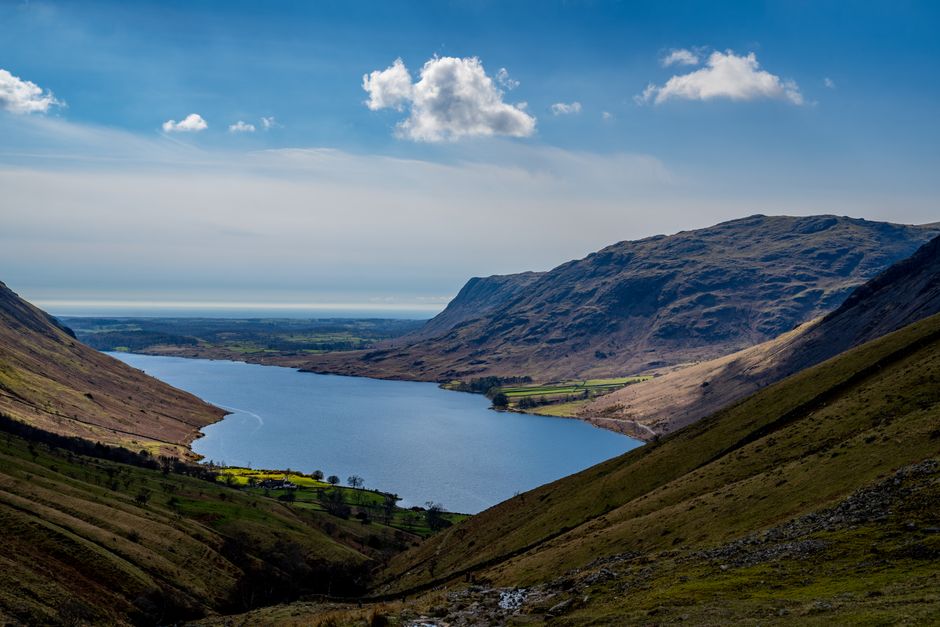
The Lake District is too spread out for a single “see everything” day. The central and southern lakes offer easier access, classic scenery and a strong choice of low-level walks. The northern area feels wilder, with better access to high fells and a more open landscape. The western valleys suit travellers who want fewer crowds and a stronger sense of remoteness.
| Area | Best for | Best trip length |
|---|---|---|
| Windermere and Ambleside | First visits and mixed abilities | 2 to 3 days |
| Keswick and Derwentwater | Fell walking and outdoor variety | 3 to 4 days |
| Grasmere and Rydal | Villages, short walks and literary history | 1 to 2 days |
| Wasdale and the western valleys | Big mountain days and quiet roads | 2 to 3 days |
For a first trip, Ambleside is the most useful base when the group wants variety. It sits close to several lakes and gives access to short walks as well as longer fell routes. Keswick is the stronger choice for walkers who want a clear focus on the northern fells. Grasmere works best for a slower stay built around villages, gentle paths and valley views.
When to choose the northern lakes
Choose Keswick and Derwentwater when walking is the main reason for the visit. The area makes it easy to combine a modest summit with a lakeshore route, and the surrounding roads lead quickly towards Borrowdale and the Newlands Valley. Catbells is a popular half-day objective, but its popularity is also its weakness: early starts make the route calmer and parking easier.
When the south is the better base
Choose Windermere, Ambleside or Grasmere when the itinerary includes several people with different energy levels. One person can take a long lakeside walk while another explores a village or rests near the water. This flexibility matters more than a dramatic address. A base that saves an hour of driving each day creates more time for the landscape.
What should a three-day Lake District itinerary include?
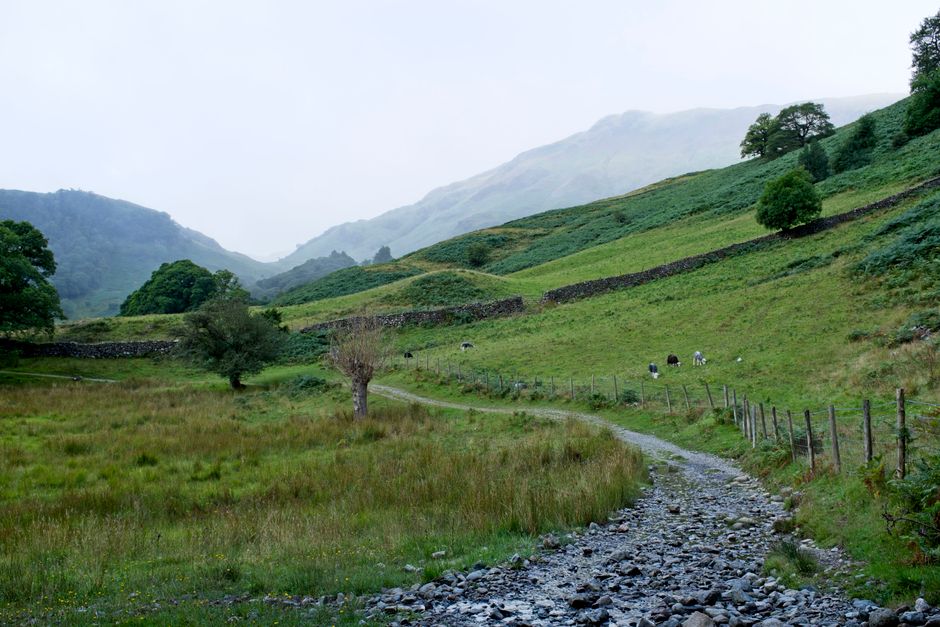
The best three-day plan is deliberately uneven. It should include one major walking day, one low-level landscape day and one flexible day for weather. Trying to repeat the same type of outing each day is a common mistake. The Lake District rewards contrast: a steep ridge feels more memorable after a quiet morning beside the water, and a village visit becomes more useful after a day outside.
- Day one: Windermere, Ambleside and a short lakeside route. Begin with an orientation day rather than a summit. A lakeside path near Ambleside or Windermere reveals how the valleys fit together without demanding specialist fitness. Add a boat crossing if conditions are calm, then walk through the town or continue towards a quieter stretch of shore. Keep the afternoon open. Rain often arrives in short bursts, and a flexible plan prevents one shower from ruining the day.
- Day two: a chosen fell with a clear turnaround time. Catbells near Keswick suits many first-time walkers, while Loughrigg Fell near Ambleside offers broad views with several route options. Strong walkers may choose a longer ridge, but the route should match daylight, forecast and navigation skill. Set a turnaround time before starting. A summit is not worth continuing towards if cloud removes the path or wind makes the ridge unsafe.
- Day three: Grasmere, Rydal Water and a slower valley walk. Link the villages and lakes with paths instead of treating each stop as a separate drive. Grasmere and Rydal Water provide a good final day because the scenery stays rewarding at low level. Leave time for a second attempt at a missed viewpoint or for an early departure if the weather closes in.
This itinerary works because it protects the trip from one bad forecast. It also avoids the false promise that every famous location can fit into a single loop. Travellers with four or five days can add Borrowdale, Buttermere or Wasdale, but each addition deserves its own weather check and driving estimate.
What to change for a four-day visit
Use the extra day for a separate valley rather than squeezing more stops into the existing route. Buttermere is a strong choice for a quieter lake circuit, while Borrowdale suits travellers who want woodland, crags and a more rugged setting. Keep the final day close to the accommodation. Long drives on narrow roads are tiring, especially after a demanding walk.
How difficult are the walks, and what goes wrong?
The main difficulty in the Lake District is not always the height of a fell. It is the combination of steep ground, wet stone, poor visibility and changing plans. A route that looks short on a map may take much longer when the path is muddy or the descent is slippery. The safest approach is to judge walks by terrain and escape options, not just distance.
Are low-level walks enough for good views?
Yes. The paths around Derwentwater, Grasmere, Rydal Water and Buttermere can deliver excellent scenery without a summit. These routes suit families, mixed-ability groups and days when cloud covers the high ground. They are not consolation prizes. Reflections, woodland edges and changing light often look better from the valley than from a windy summit hidden in mist.
What mistakes cause the most trouble?
The first mistake is starting too late on a popular route. Crowded paths, full car parks and slow descents can turn a modest walk into a stressful one. The second is relying on a phone signal. Download maps before leaving, carry a power bank and know the route well enough to recognise a wrong turn. The third is wearing shoes with smooth soles. Wet rock and grass punish poor grip.
Another failure mode is treating the forecast as a promise. Mountain weather can change faster than conditions in the village. Pack a waterproof layer even under a bright morning sky, and keep spare warmth in the day bag. If cloud removes landmarks, wind rises sharply or the path becomes uncertain, turn back early. A low-level alternative is already part of a good plan.
Which villages and lakes are worth prioritising?
For a first visit, prioritise places that show a distinct side of the region instead of collecting famous names. Windermere gives the classic large-lake experience, but it can feel busy around the most accessible shores. Derwentwater offers stronger mountain framing and better options for combining water with a fell walk. Grasmere provides the most complete village-and-valley experience, while Buttermere is the better choice for a quieter circuit.
Why visit Grasmere?
Grasmere works because the village, lake and surrounding paths sit close together. It is easy to build a half-day route without repeatedly moving the car. The walk towards Rydal Water adds woodland and rocky viewpoints, while the valley floor remains manageable in poor weather. Visit early or late in the day for a calmer feel. Midday brings the most pressure on roads and parking.
Why choose Derwentwater over Windermere?
Choose Derwentwater when the view of the fells matters more than access to a busy lakeside centre. The water sits beneath a broad ring of hills, and the surrounding paths create more opportunities to change distance or direction. Windermere remains the better pick for a first-time overview, easier transport links and a wider range of activities. The clear choice is Derwentwater for scenery and Windermere for convenience.
Is a boat trip necessary?
No. A boat crossing can save time and add a different view of the shoreline, but it should support the day rather than control it. Weather, seasonal timetables and waiting times can affect the plan. A walk beside the lake often gives more freedom, especially when the sky is changing quickly.