How can one short visit include Annecy’s canals, medieval streets, mountain views and the broad blue edge of Lake Annecy without turning into a rushed checklist? The answer lies in treating the town and the lake as two connected but different experiences. The Old Town works best on foot, early in the day and at an unhurried pace. The lake needs more time, better weather and a little planning around transport, swimming areas or cycling routes.
Annecy rewards visitors who leave space between the famous viewpoints. Its appeal comes from small details: water running below pastel façades, narrow lanes opening onto quiet squares, swans near the shore and sharp mountain outlines beyond the lake. A practical visit should balance those postcard scenes with the realities of crowds, steep paths, changeable weather and limited time.
What is Annecy best known for?
The canals and medieval centre
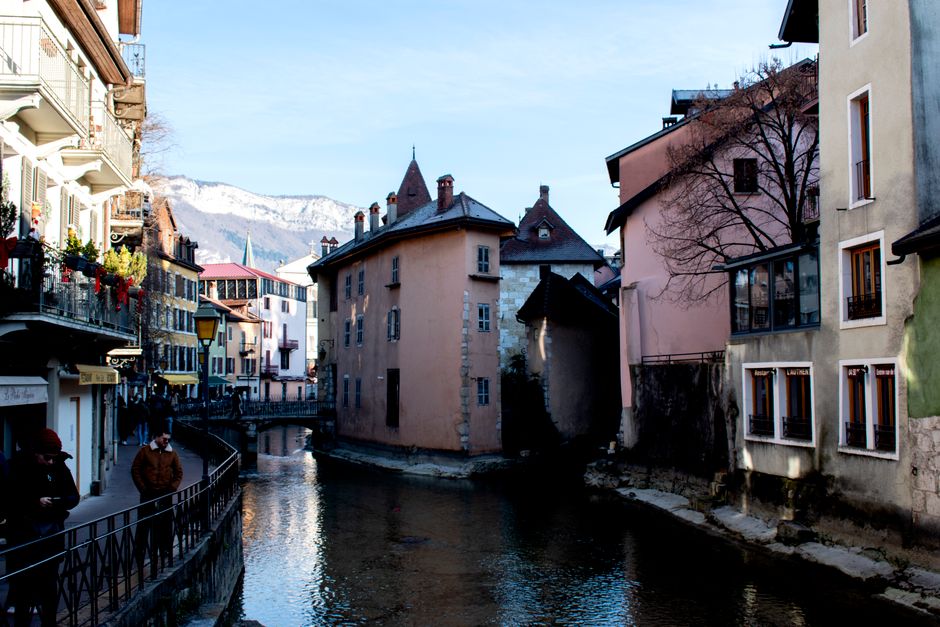
Annecy is best known for its Vieille Ville, or Old Town, where the Thiou River divides and curls through streets lined with coloured façades. The water gives the centre its most recognisable views, especially around the Palais de l’Île, a stone building shaped like a ship in the middle of the canal. The landmark is photogenic, but the surrounding lanes deserve equal attention. Rue Sainte-Claire, the arcaded passages and the smaller bridges show how the old settlement developed around water, trade and defensive buildings.
The lake and mountain setting
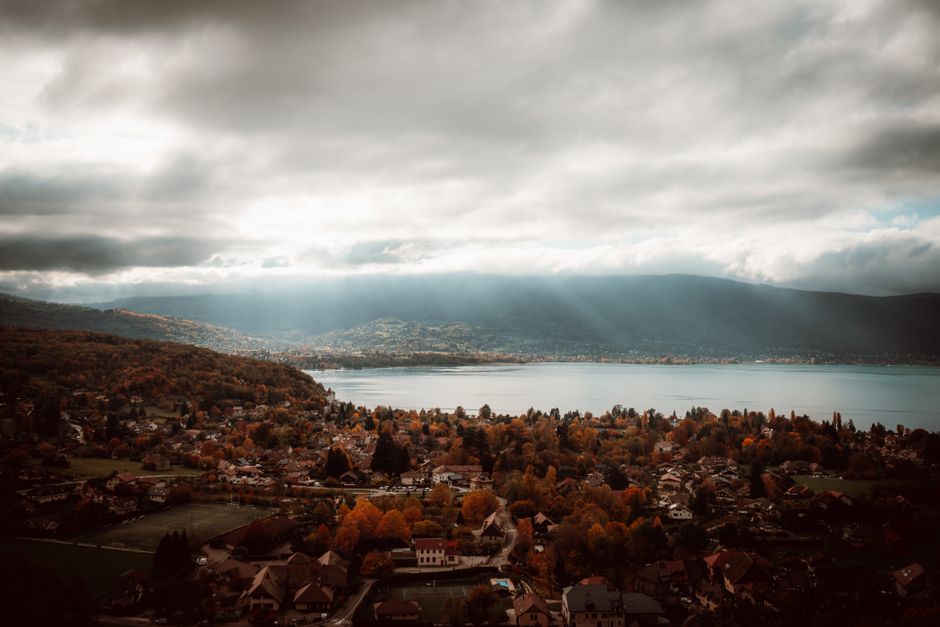
Lake Annecy begins close to the centre, so visitors can move from urban sightseeing to open water within minutes. The best waterfront stretch runs through the Jardins de l’Europe, across the Pont des Amours and along Le Pâquier. This area offers easy views without a demanding walk. For a quieter experience, continue south along the shore or travel toward villages such as Talloires and Menthon-Saint-Bernard. The clear answer is that Annecy suits travellers who want a compact historic centre with immediate access to nature, not visitors seeking a large city packed with museums and nightlife.
How should a first day in Annecy be planned?
A first day works best when it follows the movement of the water. Start in the Old Town before the busiest hours, then climb toward the castle, return through the canals and finish beside the lake. The schedule below leaves room for pauses, photographs and a long meal.
| Time | Area | Plan | Practical note |
|---|---|---|---|
| 08:00–10:00 | Old Town | Walk the canals, Palais de l’Île and quiet lanes | Early light gives clearer views and fewer groups |
| 10:00–11:30 | Castle hill | Explore the Château d’Annecy area and viewpoints | Wear shoes with grip on steep or uneven streets |
| 11:30–13:30 | Central Annecy | Return through the market streets and stop for lunch | Allow extra time on market days |
| 14:00–16:30 | Lakefront | Walk Le Pâquier, Jardins de l’Europe and Pont des Amours | Afternoon light usually suits lake views |
| 17:00 onward | Waterfront | Continue toward the Imperial area or settle by the shore | Keep a layer nearby after sunset |
This route avoids the common mistake of starting with a long lake excursion and leaving the Old Town for the hottest, busiest part of the afternoon. It also keeps the first day flexible. If rain arrives, the historic centre remains useful; if the sky clears, the lakefront becomes the natural final stop.
How can the Old Town be explored without feeling rushed?
- Begin beside the canals. Enter through the lower part of the Old Town and follow the water rather than choosing streets at random. The Palais de l’Île gives an immediate sense of Annecy’s layout, while nearby bridges provide several angles of the same scene.
- The most crowded viewpoints often look directly at the water. Turning around can reveal a quieter architectural view.
- Climb to the castle area. The route becomes steeper as it rises toward the Château d’Annecy. The reward is a wider view over tiled roofs and the surrounding mountains. Visitors with limited mobility should plan this separately because the historic streets include slopes and uneven paving.
- Return through a different lane. Annecy’s centre is compact enough for a loop. Returning by the same route misses small courtyards, covered passages and less photographed canal sections.
- Pause outside the busiest square. A short break near the Thiou River often feels calmer than stopping at the most famous bridge. The centre becomes more relaxed once the first wave of day visitors moves toward lunch.
The best Old Town visit does not require a long list of monuments. It needs a clear loop, comfortable footwear and time to notice how the canals shape the neighbourhood. Avoid blocking bridges for photographs, especially during busy periods, and keep the centre pleasant for residents moving through their daily routines.
What should visitors expect from Lake Annecy?
The easy waterfront walk
The lakefront near central Annecy offers the simplest introduction. From the Jardins de l’Europe, the route passes the Pont des Amours and continues along Le Pâquier, a wide green space with views across the water. This section works for a short evening walk, a picnic or a first look at the lake before committing to a longer outing. It also provides the clearest choice for visitors with only one day. No special equipment or difficult planning is needed, and the town remains close if weather changes.
The longer cycling circuit
The full lake circuit covers roughly 40 kilometres, with dedicated cycling sections and a mix of smooth paths, roads and gentle climbs. The western shore generally feels easier for a relaxed ride, while parts of the eastern shore bring more rolling terrain and tighter road sections. A complete loop can take several hours once stops, photos and food are included. It should not be treated as a quick sightseeing ride. Strong sun, wind and limited shade can make the return harder than expected.
Swimming, boats and village stops
Swimming areas appear around the lake, but access, facilities and water conditions vary by shore. Boat trips and local buses can connect Annecy with lakeside villages, although seasonal timetables need checking before departure. Talloires suits visitors who want a scenic village and a slower shore experience. Menthon-Saint-Bernard adds a castle setting and broader views. The clearest recommendation is to choose one lakeside direction rather than trying to circle every attraction in a single afternoon.
Which Annecy itinerary fits the length of the stay?
| Stay length | Best focus | What to skip |
|---|---|---|
| Half day | Canals, Palais de l’Île, castle area and lakefront | Full lake circuit |
| One day | Old Town in the morning, lakefront in the afternoon | Too many distant villages |
| Two days | Historic centre, lake walk and one village excursion | Repeating the same waterfront loop |
| Three days | Lake circuit, mountain walk or nearby village route | Driving every hour |
For a half-day visit, stay central. The Old Town, castle hill and main lakefront can form one compact route, but a full circle around the lake will create more transport stress than enjoyment. A one-day visit deserves the same structure with longer pauses.
Two days offer the strongest balance. Use the first for Annecy itself and the second for one carefully chosen lake destination or an active route. Three days make sense for travellers who enjoy walking, cycling or village visits. They also create a buffer for rain, which matters because the lake looks very different under low cloud than under clear Alpine light.
What mistakes should be avoided in Annecy?
Is the Old Town quiet all day?
No. The narrowest lanes and famous bridges can become crowded from late morning onward, particularly during weekends and warm months. Early morning remains the safest choice for clear photographs and a calmer walk. Late evening can also work, but some businesses close early and the castle hill feels less useful after dark.
Does a clear forecast guarantee a perfect lake day?
No. Mountain weather can change quickly. A bright morning may become windy or cloudy by afternoon, while a cool day can still produce strong sun near the water. Carry a light layer, sun protection and shoes that handle wet paving. Check transport conditions before leaving central Annecy, especially when planning a boat trip or a long cycle ride.
Should every visitor cycle around the entire lake?
No. The circuit is a poor choice for anyone with limited time, uncertain fitness or a strong dislike of traffic. A shorter out-and-back ride or a waterfront walk gives the scenery without turning the day into an endurance task. The same rule applies to mountain viewpoints: a famous route is not automatically the right route for a short city break.
Is Annecy worth visiting for only one day?
Yes, provided the visit stays focused. Begin with the canals and Old Town, climb toward the castle, then walk to the lake and finish near the Pont des Amours or Le Pâquier. This sequence shows the essential contrast: medieval streets shaped by water in the morning, open Alpine scenery in the afternoon.
Annecy does not need a packed schedule to feel complete. Its strongest experiences come from moving slowly enough to notice the change from narrow lanes to wide water views. A second day adds villages, cycling or a longer shore walk, but one well-planned day can answer the main question many travellers bring: can a small French town offer history, nature and practical sightseeing in one place? Annecy can, as long as the canals and lake receive separate time rather than competing for a rushed afternoon.