What makes Oman different from a standard Gulf trip?
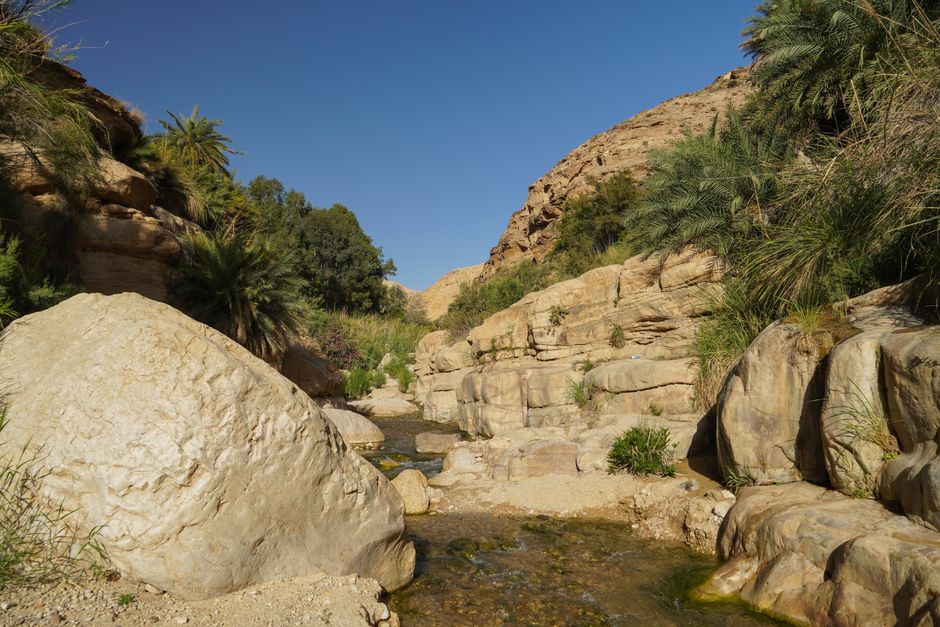
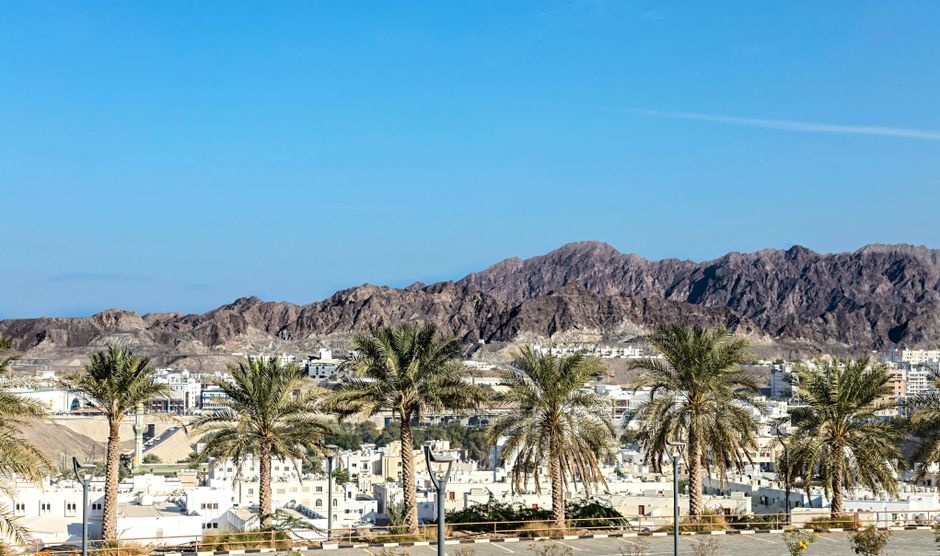
Muscat offers sea views, old forts, mosques and quiet residential streets. Outside the capital, the scenery changes quickly: dry mountain roads lead to clear pools, palm-lined villages and wide gravel plains. Farther east, the landscape opens into the Wahiba Sands, where fixed desert camps sit among orange dunes.
The basic appeal is contrast. Oman is not a single beach destination, and it is not only a desert destination. Its strongest travel experience comes from moving between environments that demand different rhythms. Muscat rewards short walks and early visits. Wadis need daylight, sturdy footwear and patience around water. The desert needs a slower evening, a warm layer after sunset and realistic expectations about distance.
The real problem this route solves
Many short Middle East itineraries feel compressed because every stop is treated as a quick photo opportunity. Oman solves that problem when the route is built around geography rather than a long list of attractions. Muscat can anchor the first two nights, the coast and a wadi can fill the next stage, and the desert can provide a clear final landscape before returning to the capital.
What Oman is not
Oman is not a place for constant nightlife, dense public transport or effortless last-minute movement between sights. Distances are large, public transport options are limited outside major towns, and several natural attractions require an early start. The reward is space, quiet roads and a stronger sense of place. For travelers who want a packed urban break, another destination may fit better. For travelers who want varied scenery and practical adventure, Oman is one of the region’s clearest choices.
How many days are needed for Muscat, wadis and the desert?
A seven- to eight-day route gives enough time to see the main landscapes without turning every day into a transfer. The following plan assumes a rental car, normal daylight driving and no attempt to add every mountain village or coastal detour.
A workable eight-day route
| Day | Base | Main focus | Approximate driving |
|---|---|---|---|
| 1 | Muscat | Arrival, Mutrah waterfront and old Muscat | 30–60 minutes |
| 2 | Muscat | Grand Mosque area, museums and coastal viewpoints | 45–90 minutes |
| 3 | Sur or coastal Oman | Wadi Shab and the Bimmah Sinkhole area | 2–3 hours |
| 4 | Sur | Coastal villages, beaches and a slower local day | 1–2 hours |
| 5 | Wahiba Sands | Transfer inland, dune landscape and sunset | 2.5–3.5 hours |
| 6 | Wahiba Sands | Desert morning and transfer toward Wadi Bani Khalid | 1–2 hours |
| 7 | Nizwa or Muscat | Inland towns, mountain views or return drive | 2–3.5 hours |
| 8 | Muscat | Buffer day and departure | 30–90 minutes |
How to adjust the route
With only five days, remove the overnight stay in Sur and choose either Wadi Shab or the desert, not both. With ten days, add Nizwa and a mountain overnight rather than squeezing extra beaches into the schedule. The strongest extension is usually a mountain stay because it changes the temperature, views and walking style more clearly than another urban stop.
Keep the final night near Muscat if the departure is early. A long desert-to-airport drive on the same morning creates an avoidable risk, especially after a late camp dinner or a slow morning on the dunes.
How should a first route through Oman be driven?
Plan Oman as a sequence of early starts and generous margins. The roads are often straightforward, but heat, mountain bends, photography stops and slow-moving traffic can turn a simple map estimate into a tiring day. The best route is not the one with the most pins. It is the one that leaves enough time to arrive before a wadi becomes crowded and before a mountain road loses daylight.
Use this driving method
- Group sights by direction. Avoid crossing Muscat repeatedly for separate attractions.
- Leave the city after breakfast only when the next stop is close. For a wadi or long transfer, start earlier.
- Download offline maps before leaving the main urban area. Mobile coverage can weaken around mountains and desert tracks.
- Refuel in larger towns instead of waiting for the next station. This matters most on the route toward the dunes.
- Check the final approach to every camp. Some camps arrange a meeting point because ordinary cars should not drive across soft sand.
- Keep a daylight margin for mountain roads. Darkness makes bends, livestock and unmarked edges harder to read.
Choose the right road for the right day
A normal car is suitable for the main highways and many paved attractions. A four-wheel-drive vehicle becomes the safer choice for steep mountain roads, rough tracks and direct desert driving. Do not assume that a road is safe because another vehicle used it earlier. Sand conditions change, and a short stretch of soft dune can stop a loaded car quickly.
Build in one empty block
One unscheduled half-day is more useful than a seventh attraction. It can absorb a delayed transfer, a closed access road, a longer swim at a wadi or simple fatigue. Oman feels rushed when every stop has a fixed arrival time. A route with breathing room usually produces better photographs, safer driving and more genuine contact with villages along the way.
Which Oman landscapes deserve the most time?
Give the wadis and the desert more time than the itinerary first suggests. Muscat is essential, but it can be understood in two full days. Natural areas need the extra hours because access, walking, swimming and changing light are part of the experience. A wadi is not just a viewpoint beside a car park, and a desert camp is not just an overnight bed in a tent.
Muscat: two focused days
Start with Mutrah, the corniche and the old harbor area, then move toward the historic quarters and major cultural sites. Dress modestly, especially around religious buildings and residential areas. Early morning gives softer light and cooler walking conditions. Late afternoon suits the waterfront, when the heat begins to ease and the city becomes more comfortable on foot.
Wadi Shab and the coast
Wadi Shab is best treated as a half-day outdoor visit rather than a quick roadside stop. The approach includes a boat crossing and a walk through rocky terrain before the pools. Water levels and access can change after rain, so local warnings matter more than an old travel post. Bring secure footwear, swim clothing that remains respectful around families, and a dry layer for the return journey.
Wahiba Sands and Wadi Bani Khalid
The desert is at its strongest around sunset and shortly after sunrise, when the dunes show texture and the temperature is manageable. Wadi Bani Khalid offers a different setting: palms, rock walls and permanent-looking pools that contrast sharply with the sand. Do not force both experiences into a rushed single afternoon. An overnight near the desert creates the space needed for the landscape to feel more than a transfer stop.
Which Oman itinerary is the clearest choice?
For a first visit, the best balance is two nights in Muscat, one or two nights near the coast, one night in the desert and a final inland or Muscat night. That structure covers the country’s main contrasts without making every day a race between checkouts and road junctions.
Choose the compact route for five days
Stay in Muscat, visit one wadi on a long day, then spend one night near the desert before returning. This is the right choice for travelers who value variety but dislike changing accommodation every night. Remove Nizwa and the mountains from this version. Adding them creates more driving than insight.
Choose the balanced route for seven or eight days
Use the Muscat–coast–desert sequence and keep one flexible day. Add Nizwa or a mountain overnight only after the main route is secure. This is the strongest option for most first-time visitors because it combines culture, coast, water, dunes and practical recovery time.
Choose the slower route for ten days or more
Separate Wadi Shab, Wadi Bani Khalid and the desert instead of linking them through a single exhausting transfer. Add villages, mountain roads or a second coastal base. The extra time is most valuable when it reduces driving pressure and allows early starts, quiet evenings and weather-based changes.
The clear recommendation is the balanced seven- to eight-day route: Muscat for context, the coast for water and villages, Wahiba Sands for the desert night, and one flexible day to absorb Oman as it actually is. That order gives each landscape enough room to feel distinct, while keeping the final return to Muscat safe and manageable.