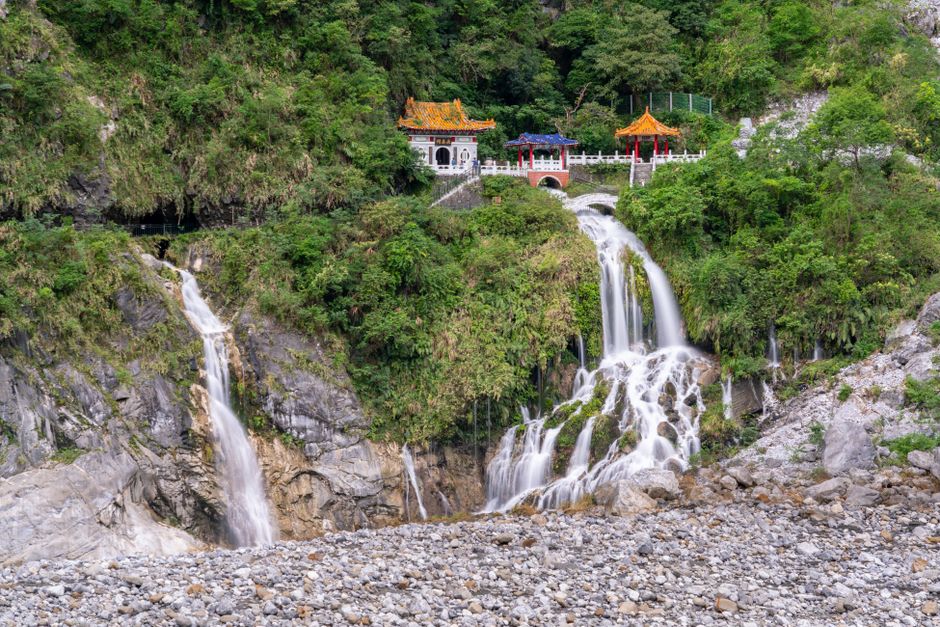
The gorge is more than a collection of trails
The main attraction is the landscape itself: pale marble walls, a narrow river corridor, forested slopes, suspension bridges, and roads cut into steep cliffs. A closed trail is not a suggestion to walk farther before turning around. It is a safety boundary.
What visitors can still experience
Recent park guidance has identified the Taroko Visitor Center, parts of Tianxiang, selected sections near Lushui, and a partial Chongde route as possible visitor areas, but access can change quickly. Check the official park status notices before leaving Hualien. The best plan treats Taroko as a flexible mountain day, not a fixed checklist.
The Best Three-Day East Coast Itinerary
For a first visit, three days gives the right balance. One day is too fragile if roads close or rain changes the plan. A full week is unnecessary unless hiking, cycling, or slower coastal travel is the main goal. Use Hualien as the practical base and keep the gorge day adjustable.
| Day | Main area | Plan |
|---|---|---|
| 1 | Hualien and the coast | Arrive, explore the city, then visit Qixingtan or another accessible coastal area. |
| 2 | Taroko entrance and approved sections | Start early, check road controls, visit the visitor center, and use only open trails or viewpoints. |
| 3 | North or south coast | Choose Qingshui Cliff viewpoints, coastal villages, river scenery, or a slower return route. |
For travelers with only two days, combine Hualien with one carefully planned Taroko visit. Do not attempt to add the entire East Coast afterward. For four or five days, add coastal stops at a relaxed pace rather than packing in distant mountain roads. The strongest itinerary has a clear main plan and one nearby backup for every day.
How to Plan a Safe Taroko Gorge Day
Check the road schedule before checking the trail list. Road access controls can decide the whole day, especially on Provincial Highway 8.
- Check official conditions on the morning of travel. Look for earthquake repairs, typhoon warnings, landslide risks, trail closures, and traffic-control updates. The park website and highway authorities can change guidance after heavy rain.
- Leave early from Hualien. Early travel gives more room for queues, road holds, slow traffic, and weather delays. It also reduces the chance of reaching a controlled section just after vehicles have been stopped.
- Build around one open area. Choose the visitor center, an approved Lushui section, Tianxiang, or a current coastal viewpoint. Do not plan six separate stops inside a road corridor with controlled movement.
- A phone signal should not be treated as an emergency system.
- Turn around on time. Highway 8 can close at night, and published traffic windows may allow vehicles through only at set times. The current schedule may include nighttime closure from 18:30 to 06:30, but travelers must confirm the latest notice before departure.
Private driving gives the most control, but it also creates responsibility for timing and road safety. A local driver or small guided transfer can be the better choice when traffic windows are complicated. Walking beyond a barrier is never a sensible shortcut.
Why the East Coast Should Be Part of the Trip

The coast is the best insurance against a disappointing Taroko visit. It gives the journey value even when a gorge road closes. Taiwan’s eastern side offers a different rhythm: wide Pacific views, fishing villages, river mouths, rice fields, forested foothills, and long stretches where the landscape feels open rather than enclosed.
Coastal scenery balances the gorge
Taroko delivers scale through height and compression. The coast delivers scale through distance. Qixingtan is useful for a short arrival or departure stop because the shoreline, pebble beach, and mountain backdrop can be enjoyed without a demanding hike. Farther along the coast, small settlements and viewpoints reward travelers who leave time for unplanned pauses. The best stops are often short: twenty minutes for a view, an hour for a meal, or a quiet walk beside the water.
Local travel requires a slower pace
Do not treat the East Coast as a straight line between attractions. Roads can be narrow, trains and buses may not run frequently, and mountain weather can slow every transfer. Keep accommodation near the next morning’s main activity. Learn a few place names before setting out, carry a written destination for drivers, and avoid assuming that a map estimate includes road controls. A two-night base in Hualien is the most reliable choice for a first trip because it supports both a gorge day and a coastal backup.
Taroko Gorge Questions That Change the Plan
The right answer depends less on fitness than on access conditions. These are the questions that prevent the most common planning errors.
Can Taroko Gorge be visited as a day trip?
Yes, from Hualien, but a day trip should focus on one approved area. It should not promise every famous trail. Allow time for transport delays, traffic controls, rain, and a return before road closure. A day trip works best when the route remains flexible.
Is Taroko suitable for travelers who do not hike?
Yes, if the current road and visitor areas are open. The visitor center, approved viewpoints, coastal scenery, and short walks can provide a worthwhile experience. The gorge is not reserved for long-distance hikers, but closed trails and damaged paths must remain off the itinerary.
Should the trip include the Qingshui Cliffs?
Yes, when road conditions allow. The cliffs add a major coastal landscape without requiring a full mountain hike. Chongde-area viewpoints may be more practical than trying to combine every gorge attraction in one day. Check the latest access notice before setting out because Highway 9 also faces construction and weather controls.
What happens if heavy rain starts?
Replace the gorge with a coastal, city, or indoor plan. Heavy rain can raise river levels and increase rockfall and landslide risk. Do not wait beside a closed trail hoping that conditions will improve. The safest itinerary is the one that can change without wasting the entire day.
Mistakes That Ruin a Taroko Itinerary
Most problems come from treating a mountain park like an urban attraction. Avoid these planning mistakes:
- Using an old blog route. A trail described as open may have changed after an earthquake, typhoon, or repair project. Check official notices close to the travel date.
- Assuming every famous name means an open trail. Swallow Grotto, Shakadang, Baiyang, and Tunnel of Nine Turns are well known, but fame does not equal current access.
- Leaving Hualien late. A late start can turn a short visit into a race against traffic controls, darkness, and changing weather.
- Booking a rigid full-day schedule. Too many fixed stops create stress when a vehicle is held or a viewpoint closes. One main stop and one backup is a stronger design.
- Ignoring the return journey. Travelers sometimes reach a scenic area without checking the last transport, road clearance period, or nighttime closure. The return plan matters as much as the outbound route.
- Entering closed areas for a better photograph. Damaged rock faces, loose slopes, and missing barriers can look harmless from a distance. They are not safe substitutes for an open viewpoint.
The practical rule is simple: use current information, leave spare time, and accept that a safe change of plan is a successful travel decision.
The Best Final Plan for Taroko and Taiwan’s East Coast
For most first visits, the strongest choice is a two-night Hualien base with one flexible Taroko day and one coastal day. This plan protects the trip from the region’s main risks: changing trail access, road controls, typhoons, heavy rain, and long transfer times.
Use Taroko as the main experience, not the entire schedule
Start with the official visitor information and select only areas confirmed open for the travel date. Keep the route short enough to return before any stated clearance or nighttime closure. If the gorge cannot be reached safely, move the day toward Qixingtan, Qingshui Cliff viewpoints, coastal villages, or Hualien’s local attractions instead of forcing the original route.
Give the East Coast room to surprise you
The coast rewards slower travel. A quiet shoreline, a river valley, or a brief stop beside the mountains can become more memorable than a rushed list of famous viewpoints. Pack for rain and heat, start early, and allow one unplanned pause each day.
The single most important takeaway is to plan Taroko Gorge as a flexible mountain visit supported by a full East Coast itinerary, then follow the latest official access advice on the day.