How to plan a Yucatán route without rushing
A flight arriving in Cancún, a week of available time, and a long list of cenotes, ruins and colonial streets can create the wrong kind of excitement. The Yucatán Peninsula looks compact on a map, but heat, slow roads, early closing times and long midday stops change the pace. The strongest route links nearby sights instead of treating every destination as a separate day trip.
Choose three bases instead of changing hotels nightly
Use Mérida for the western side, Valladolid for the central route, and a coastal base only if beaches or wildlife are a priority. Mérida works well for Uxmal, the Puuc Route and nearby hacienda villages. Valladolid puts Chichén Itzá, Ek Balam and several cenotes within practical reach. A three-base plan cuts backtracking and leaves room for a slow breakfast, a swim or an unexpected town festival.
Build the day around heat and opening hours
Visit ruins and open-air sites between 7:00 and 11:00, when paths are cooler and shadows are longer. Use the hottest part of the afternoon for a cenote, museum or shaded meal. Keep one flexible morning for road delays and weather.
Which Yucatán bases work best for different routes?
The best base is the one that reduces driving on the following day. Mérida offers the widest choice of food, museums and evening activities. Valladolid has the strongest position for central ruins and cenotes. Izamal is better as a half-day stop than as the main base for a first visit, while Campeche adds a different colonial character on the western edge.
| Base | Best for | Suggested stay |
|---|---|---|
| Mérida | Colonial architecture, museums and regional food | 2 to 3 nights |
| Valladolid | Cenotes and central Maya sites | 2 nights |
| Izamal | Quiet streets and yellow-painted historic buildings | Half day or 1 night |
| Campeche | Sea walls, forts and a slower western finish | 1 to 2 nights |
When Mérida is the right choice
Choose Mérida when cultural evenings matter as much as archaeological sites. Its central districts are easy to explore on foot during cooler hours, and the city provides a useful reset after rural day trips.
When Valladolid is the clear winner
Choose Valladolid when swimming in cenotes and reaching Chichén Itzá early are the main goals. The shorter morning drives make the central route more relaxed than repeated excursions from the coast.
How to visit cenotes safely and respectfully
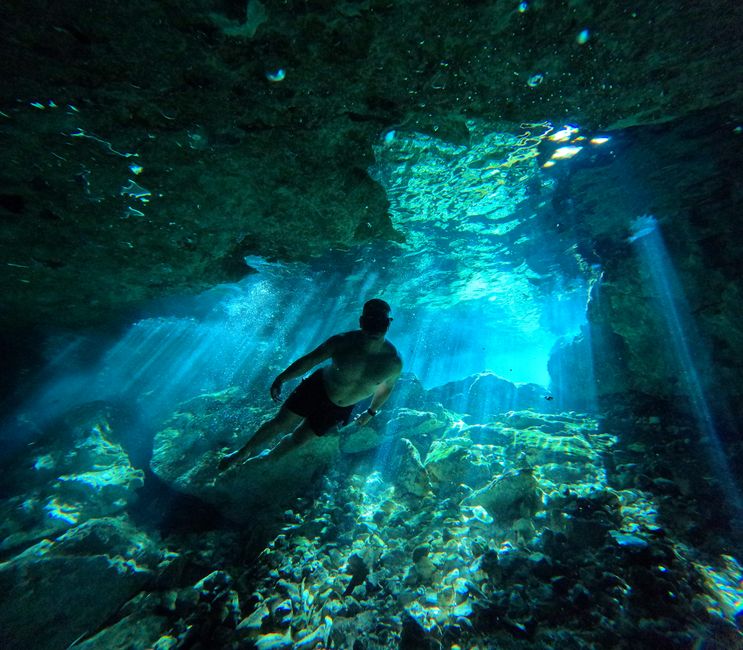
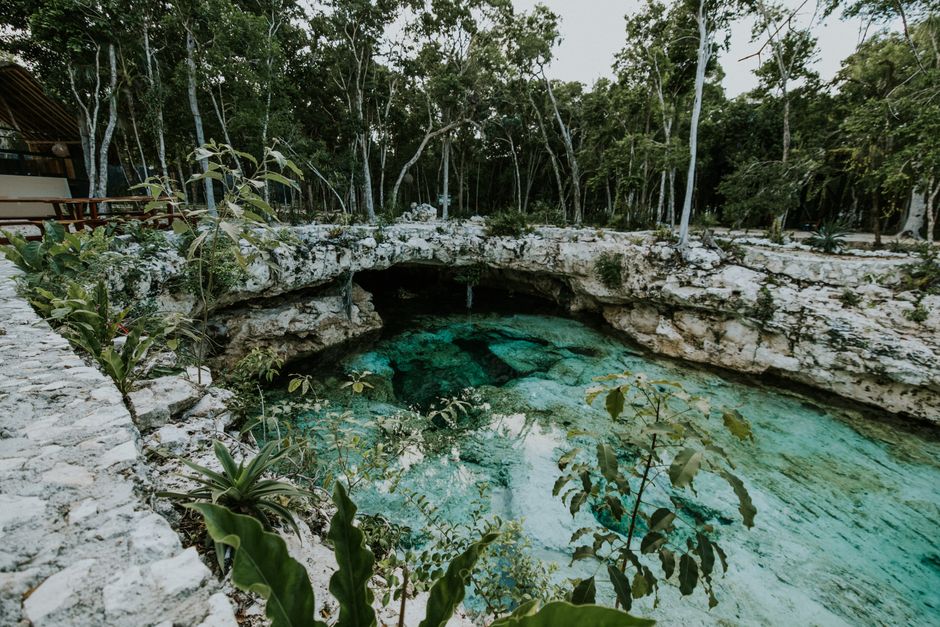
A cenote is not simply a natural swimming pool. It is part of a connected underground water system, and many communities manage access, changing areas and swimming rules. Conditions vary sharply: one cenote may be open to the sky, another may require a steep staircase, and a third may have dark chambers with limited visibility.
Use this simple arrival checklist
- Carry enough drinking water for the road, but keep food away from the swimming area.
- Rinse off sunscreen, insect repellent and body oils before entering the water.
- Wear secure footwear for wet stone steps and uneven paths.
- Ask about depth, current, life jackets and restricted areas before swimming.
- Keep noise low in enclosed cenotes, where sound travels through the cavern.
- Leave flowers, rocks, shells and wildlife exactly where they are.
Common mistakes to avoid
- Do not plan three cenotes in one afternoon. Travel between rural sites takes longer than map estimates suggest.
- Do not assume every cenote allows jumping, diving or photography.
- Do not arrive without cash for a community entrance fee or local guide.
- Do not visit after heavy rain expecting clear water; runoff can change visibility.
The strongest choice for a first visit is one well-managed cenote with clear safety instructions and enough time to swim without rushing. A smaller, quieter site often gives a better experience than collecting several entrance stamps.
What to expect at the major Maya ruins
Maya sites in the Yucatán are not interchangeable. Chichén Itzá is the largest draw and the easiest place to understand the political and ceremonial scale of the region, but its popularity can make the central paths crowded. Uxmal rewards visitors who prefer carved façades, broad plazas and a more spacious layout. Ek Balam feels more compact and offers a closer look at sculpted architecture. Mayapán is smaller, yet its reduced scale makes the relationship between buildings easier to follow.
Make Chichén Itzá the early start
Arrive near opening time, before tour groups reach the central pyramid and the sun becomes severe. Allow at least three hours for the core structures, perimeter paths and museum area. Bring water, a hat and a light layer for the first hour. The site has limited shade, so an early visit is not a minor comfort; it changes how much detail can be absorbed before fatigue sets in.
Give Uxmal and the Puuc Route more time
Uxmal deserves a slower half-day because its buildings reward close viewing. Look for geometric stonework, masks and carefully aligned plazas rather than moving directly from one famous structure to the next. The nearby Puuc Route can include Kabah, Sayil and Labná, but adding every site creates a thin experience. Two smaller sites after Uxmal are usually enough.
Respect the living culture around the monuments
These places are not abandoned scenery. Avoid climbing closed structures, touching carved surfaces or treating ceremonies as performances. A good visit leaves with more questions about Maya languages, astronomy, agriculture and present-day identity, not only photographs of pyramids.
Which colonial towns are worth adding?
Colonial towns work best as pauses between archaeological visits. Their value is not limited to a painted façade; the strongest stops combine walkable streets, public squares, churches, markets and evening life. Mérida suits travelers who want museums and daily activity. Valladolid feels more compact and relaxed, with a central square that makes orientation simple. Izamal stands out for its yellow buildings and nearby pre-Hispanic structures. Campeche offers fortified walls and a Caribbean atmosphere that differs from the inland towns.
Is Mérida better for culture or convenience?
It is the best all-round base for travelers who want varied evenings. Spend the cooler morning around the historic center, then choose a museum, market or neighborhood walk before dinner. Day trips to Uxmal and the coast are practical, but the return drive can be tiring after a full day outdoors.
Is Valladolid better for a short trip?
Yes. Valladolid gives a short itinerary immediate access to cenotes, Chichén Itzá and Ek Balam. Two nights can cover the main sights without turning every day into a long transfer. The tradeoff is a smaller selection of museums and evening activities than Mérida.
Should Izamal or Campeche replace a ruin?
Neither should replace the main archaeological visit on a first route. Add Izamal for a half-day color and architecture stop, or add Campeche when the western coast and fortified history matter more than another cenote. Both towns add contrast rather than repeating the same experience.
The most balanced seven-day Yucatán itinerary
The best first-time route is Mérida to Valladolid, with one western archaeological day and one flexible cenote morning. It covers the region’s main contrasts without forcing a new bed every night. The route also leaves enough space for meals, heat breaks and the small discoveries that disappear from an overpacked schedule.
- Day 1: Arrive in Mérida, stay near the historic center and take a short evening walk.
- Day 2: Explore Mérida in the morning, then visit a market or museum during the afternoon heat.
- Day 3: Travel to Uxmal early. Add one or two Puuc sites, then continue toward Valladolid or return to Mérida.
- Day 4: Transfer to Valladolid through Izamal, allowing time for the convent, town streets and a relaxed meal.
- Day 5: Visit Chichén Itzá at opening time. Swim in one cenote later, not several.
- Day 6: Choose Ek Balam and a nearby cenote, or keep the day in Valladolid if the heat is intense.
- Day 7: Depart from the closest practical airport or add a coastal extension only when the schedule allows a full extra day.
Skip the western route when the trip is shorter than five days. Skip the coast when cenotes and ruins are the real priority. The Yucatán feels generous when the itinerary leaves space around the headline sights.
Which Yucatán route matches the available time?
The right route is defined by the time available, not by the number of pins saved on a map. A short trip should protect one strong base. A longer trip can add Campeche, Celestún or a coastal stretch without turning every morning into a transfer.
| Trip length | Best route | Main strength | What to leave out |
|---|---|---|---|
| 3 days | Mérida and Uxmal | Culture, architecture and one major ruin | Do not add Chichén Itzá and the coast |
| 5 days | Mérida, Uxmal and Valladolid | Balanced mix of towns, ruins and cenotes | Skip Campeche unless arrival is from the west |
| 7 days | Mérida, Uxmal, Valladolid and Izamal | Best first route for variety | Limit the number of cenotes to two or three |
The clearest choice for first-time visitors
For a first trip, the seven-day Mérida–Uxmal–Valladolid route is the strongest choice because it joins the region’s major experiences with manageable transfers. It also gives enough flexibility to change a swimming day when rain or heat alters the plan.
The clearest choice for repeat visitors
Repeat visitors should move west toward Campeche and Edzná, north toward Río Lagartos, or deeper into the Puuc region. Those routes trade famous-name recognition for quieter roads, smaller sites and a closer look at local landscapes.