The classic Lake Como mistake is trying to see every famous village from one base in a single day. The better plan is simple: choose one shore, use ferries for the middle of the lake, and leave room for one proper walk. That combination gives the trip shape without turning it into a timetable exercise.
Lake Como rewards slow movement. Water crossings reveal views that roads hide, small villages are best before the midday crowds, and the most enjoyable paths often begin a short walk from the main pier. The route below focuses on practical choices, realistic timings and the problems that catch first-time visitors.
Which Lake Como Villages Deserve a Stop?
Use the middle lake as the anchor
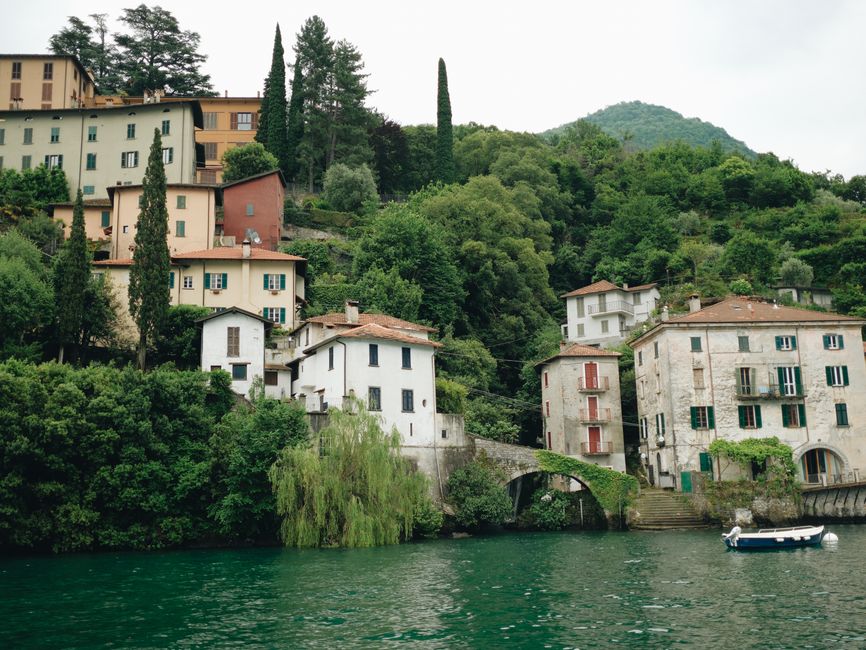
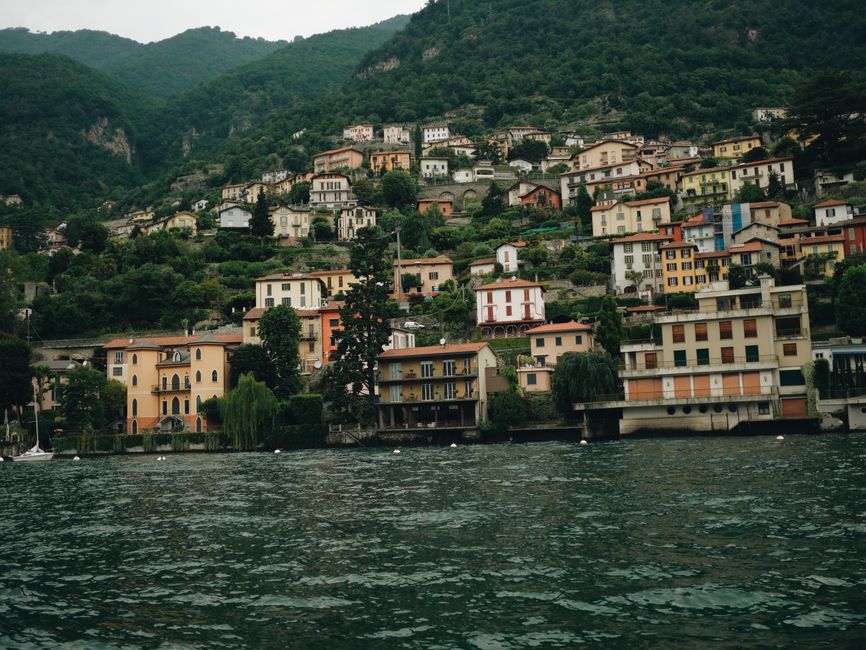
Bellagio, Varenna and Menaggio form the most useful sightseeing triangle. Each has a different feel, and visiting all three is possible without rushing if the ferry connections line up. Bellagio has steep lanes, lake views and busy waterfront streets. Varenna feels smaller and more intimate, with a narrow shoreline and paths rising into the hills. Menaggio has a broader promenade and a more relaxed town-centre layout.
| Village | Best for | Suggested time | Main drawback |
|---|---|---|---|
| Bellagio | Panoramas, lanes and central ferry links | 3 to 4 hours | Steep streets and midday crowds |
| Varenna | Short walks, quiet views and village atmosphere | 2 to 3 hours | Limited space near the waterfront |
| Menaggio | Promenade, swimming areas and an easy town centre | 2 to 3 hours | Less dramatic old-town scenery |
| Como | Easy arrival, historic streets and urban attractions | Half a day | Farther from the central lake villages |
| Lenno | Villa gardens, quiet lanes and the Greenway area | 3 to 5 hours | Connections need more careful planning |
Read the route, not just the reputation
The most famous village is not automatically the best stop for every day. Bellagio makes sense when the goal is a central viewpoint and easy onward travel. Varenna is the better choice for a compact afternoon with a short uphill walk. Menaggio works best when a long promenade, open space and a less compressed pace matter more than dramatic lanes.
Do not force all five places into one day. The strongest route pairs two central villages by ferry, then adds one walk or garden visit. That leaves time for lunch, a missed connection or simply sitting beside the water.
How to Use Lake Como Ferries Without Losing Half a Day
Understand the timetable before leaving the pier
Lake Como ferries are the backbone of a central-lake itinerary, but the network is not a city metro. Services change by season, some crossings are slower than expected, and a boat that appears on a route map may not run at the time needed. Check the official timetable on the morning of travel, then identify the next two possible departures rather than relying on one perfect connection.
Arrive early at the pier, especially for popular crossings between Como and the central villages. Queues form before departure, and boarding order matters when outdoor seating is limited. Keep the route flexible: a slower boat with open deck space can be more enjoyable than a faster service that leaves no time for a village visit.
Build around the last reliable crossing
The most damaging ferry mistake is planning the return as an afterthought. Before setting out, confirm the final practical crossing to the overnight base and save one earlier option as a safety margin. Weather, crowding and long walks from a village centre can all add time. A late afternoon connection may also be less frequent than the morning service.
Ferry travel works best when it carries the longest gap between stops. Use it for crossing the lake, then explore each village on foot. Taking a boat for every short hop can create more waiting than sightseeing. For a clear route, cross once in the morning, walk through the first village, take a midday or early afternoon boat, and finish near the accommodation. That pattern is calmer, easier to recover when plans change and better for views.
Two Lake Como Itineraries That Survive Real Travel Days
One day: the central triangle
- Start at the nearest central-lake pier before the busiest late-morning period.
- Take a boat to Bellagio and spend two to three hours on the lanes, waterfront and higher viewpoints.
- Continue to Varenna rather than returning immediately. Allow time for the short uphill streets and shoreline path.
- Finish with Menaggio if the timetable allows a comfortable return. If not, keep the third stop for another visit rather than cutting every village short.
This route works because the villages are linked by water. It fails when travellers add Como, Lenno and the northern lake on the same day. Three meaningful stops are enough.
Three days: add a proper walking day
- Day one: explore the arrival town or the closest village without carrying luggage between stops.
- Day two: use the ferry triangle between Bellagio, Varenna and Menaggio. Pick two villages and stay for lunch.
- Day three: walk the Greenway area near Lenno and Mezzegra, allowing several hours for viewpoints, village lanes and breaks.
Begin walking routes in the morning. Afternoon heat makes exposed paths harder, and buses or ferries can become crowded later. Check the return connection before starting a route, especially when the path ends away from the original pier.
The Walking Mistakes That Ruin a Lake Como Day
The best lakeside walk is the one that fits the transport plan. A famous route is a poor choice if it ends far from the last ferry or requires a steep road walk in hot weather. Lake Como paths vary from paved promenades to uneven stone lanes, and map distance rarely shows the full effort.
Treat lakeside paths as local routes
Wear shoes with grip, carry water and allow extra time for stairs. The Greenway del Lago di Como is a good example: it passes through villages, gardens, churches and quiet lanes rather than following the water every minute. That is its appeal, but it also means frequent changes in surface and direction. Follow signs at junctions instead of assuming the shoreline is always nearby.
Start with the walking route, then fit sightseeing around it. A two-hour walk followed by a ferry is easier to manage than an ambitious village circuit followed by a rushed hike.
Know when to skip the famous walk
Skip an exposed route during extreme heat, heavy rain or when the return connection is tight. Choose a shorter promenade in Menaggio, a village-to-village section near Varenna or a gentle stretch around Como instead. This is not a downgrade. A short walk with time for a swim, coffee or a quiet viewpoint often produces a better day than finishing a long route exhausted and checking departure boards every five minutes.
Lake Como Questions First-Time Visitors Usually Ask
Is Lake Como better by car or ferry?
For the central villages, ferries are usually the better choice. Roads are narrow, parking is limited and traffic can turn a short distance into a slow journey. A car becomes more useful for remote northern areas, early starts or routes that do not follow the ferry network. For a first trip based around Bellagio, Varenna and Menaggio, leave the car out of the main sightseeing days.
How many villages should fit into one day?
Two villages make a comfortable day. Three are possible when they form a direct ferry route and the timetable has useful gaps. More than three usually means collecting photographs rather than experiencing the places. Choose one busy village, one quieter village and one walk or garden. That mix gives the day contrast.
What should happen when the weather changes?
Keep one low-risk plan ready: Como’s historic centre, a short promenade, a long lunch and an early return. Lake views can disappear in cloud, but the villages remain worthwhile. The trip becomes easier when the plan has a fixed base, a flexible middle and a firm final ferry. That is how the day that began with uncertainty ends with the lake still feeling spacious rather than rushed.