Cebu and Bohol form one of the easiest island combinations to explore in the Philippines, yet they offer very different travel experiences. Cebu brings busy cities, historic sites, dramatic coastlines and adventure routes, while Bohol feels slower, greener and more focused on countryside, beaches and marine life.
How should the days be divided between Cebu and Bohol?
The correct division depends less on the number of attractions than on the type of travel preferred. Cebu covers a larger area, so a short stay can become tiring if it includes both the city and distant southern towns. Bohol is easier to experience in compact loops, although eastern Bohol and remote coastal areas still need extra travel time.
| Trip length | Cebu | Bohol | Best for |
|---|---|---|---|
| 4 nights | 2 nights | 2 nights | City history, one island transfer and a short countryside visit |
| 5 nights | 2 nights | 3 nights | A first visit with one Cebu excursion and a fuller Bohol route |
| 6 nights | 3 nights | 3 nights | Balanced sightseeing, beach time and fewer rushed mornings |
| 7 nights | 3 nights | 4 nights | More relaxed pacing with room for weather changes |
For most travelers, the five- or six-night split is the strongest choice. A two-night Cebu stay works when the priority is the city and one nearby activity. Three Cebu nights make more sense when the itinerary includes southern or northern destinations. Bohol deserves three nights at minimum if the plan includes the Chocolate Hills, a tarsier sanctuary, heritage sites and Panglao or another coastal base.
Travel times are estimates rather than guarantees. Road congestion, ferry queues, rain and port procedures can change the day. The official Cebu tourism guide and local tourism offices are useful for checking area-specific conditions before departure.
What does a practical seven-day itinerary look like?
A seven-day plan should protect time for movement. Each day below has a clear purpose, with enough flexibility to remove one stop when weather or traffic changes.
- Day 1: Arrive in Cebu. Keep the first day local. Visit the historic center, walk through the older districts and allow time for a proper meal. Avoid scheduling a distant excursion after a long flight.
- Day 2: Explore Cebu City and nearby heritage sites. Focus on a small group of historic landmarks rather than trying to cover the whole metro area. Cebu’s history is easier to understand on foot, where churches, forts, public squares and old commercial streets sit close together.
- Day 3: Choose one Cebu region. Travel south for waterfalls or coastal activities, or north for a quieter island setting.
- Day 4: Transfer to Bohol. Treat the ferry crossing as a transition day. After arriving, settle into the accommodation area and explore nearby beaches, cafés, shoreline paths or a local market.
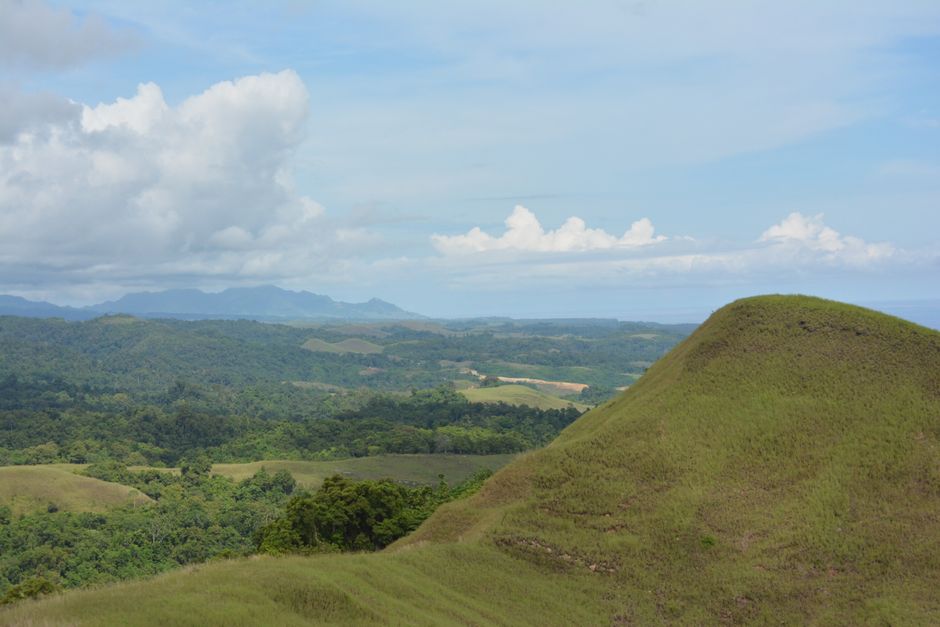
- Day 5: Take the central Bohol countryside route. Combine the Chocolate Hills area with a tarsier conservation visit, forest scenery and a river or heritage stop. Start early because the route covers several municipalities.
- Day 6: Pick coast, culture or countryside. Panglao suits swimming and marine activities. Baclayon, Loboc and nearby towns suit heritage and inland scenery. Eastern Bohol is better for travelers who want a quieter, less concentrated route.
- Day 7: Keep the final morning light. Leave a buffer for port transfers, weather delays and forgotten items. A final short walk is safer than a distant attraction before departure.
This itinerary works because it groups places by geography. The common mistake is collecting famous names without checking where they sit on the island. A shorter list with realistic travel time produces a better day than six stops reached through traffic.
What should travelers expect from Cebu and Bohol?
Cebu feels more layered than a single destination. Cebu City is dense, noisy and historically important. Beyond the urban center, the province changes quickly: mountain roads, fishing villages, diving areas, beaches and small towns stretch across a long island. The experience rewards travelers who accept early starts and longer transfers. It is a strong choice for movement, variety and activity, but it is less forgiving of vague planning.
Bohol offers a softer rhythm, though the most popular central route can become busy during peak periods. The landscape changes from coastal settlements to rice fields, forest, limestone hills and river valleys. The Chocolate Hills are not simply a photo stop; they explain the island’s unusual geological character. The Bohol Island Geopark information provides useful context for the island’s karst formations, caves, uplifted coastlines and other geological sites.
Weather and seasonal judgment
Weather can disrupt boat trips, canyoning, snorkeling and long road journeys. A flexible plan matters more than packing every day with attractions. If rain arrives, move toward museums, churches, markets, food stops or shorter heritage walks instead of forcing a sea activity. Sea conditions can change faster than a road itinerary.
Local etiquette and environmental care
Dress modestly when entering churches and ask before photographing residents, workers or religious activities. Follow local instructions at marine sites, keep distance from wildlife and avoid touching coral. Tarsier visits require quiet behavior because the animals are sensitive to stress. These rules are not decoration; they protect places that tourism depends on.
What can feel disappointing?
Some travelers expect every beach to look empty, every road to be quick and every attraction to feel untouched. That expectation creates frustration. Popular sites may have queues, transport hubs may be crowded and a beautiful location may require a long transfer. The better approach is to choose one or two headline experiences, then leave space for ordinary streets, local food and slower views.
Which local habits prevent the most common travel mistakes?
The best practical rule is to plan around geography, not a checklist. Cebu and Bohol both punish itineraries that ignore transfer time. Build each day around one area, confirm the next transport step before leaving and keep an offline copy of accommodation details.
- Leave a buffer before every ferry or flight. Port traffic and boarding procedures can take longer than expected.
- Keep cash available for small transport fares, rural meals and places with weak card access, while avoiding carrying all funds in one place.
- Bring sun protection, insect protection, a refillable water container and footwear suitable for wet paths. These are practical safeguards for changing terrain.
- Ask about sea conditions before booking a marine activity. A clear morning does not guarantee calm water later.
- Do not book a distant southern Cebu excursion on the same day as an international departure. A road delay can turn a pleasant route into a serious risk.
- Use established conservation sites for wildlife encounters. Avoid operators that encourage touching, feeding or crowding animals.
- Check whether an attraction is open before making a long drive. Local hours, maintenance and weather closures can change.
The strongest alternative to a packed island-hopping plan is a two-base itinerary. Spend enough time in one Cebu area and one Bohol area, then explore each locally. This sacrifices a few famous names but creates better meals, shorter transfers and more chances to notice how people actually live.
Which questions should be settled before booking?
Is Cebu or Bohol better for a first visit?
Bohol is the easier choice for a relaxed first visit because its main countryside route is compact and simple to understand. Cebu is the better choice for travelers who want history, city energy, diving, waterfalls or a wider range of active excursions. Combining both is stronger than choosing one when at least five nights are available.
Should the trip start in Cebu or Bohol?
Starting in Cebu usually makes logistical sense because it functions as a major gateway and gives travelers access to urban services after arrival. Ending in Bohol creates a calmer finish, especially when the last days are reserved for a beach or countryside stay. Reverse the order if flight availability or weather makes the opposite route more practical.
Is a guided tour necessary?
A guide is useful for a dense countryside day, a cultural walk or an activity with safety requirements. Independent travel works well for city heritage areas, beaches and short local journeys. The right choice is based on route complexity, not on a belief that every attraction requires a packaged tour.
What is the biggest mistake to avoid?
The biggest mistake is treating Cebu and Bohol as compact resort islands where every highlight sits nearby. They are varied destinations with real road distances, changing weather and busy transfer points. Protecting time, respecting local rules and choosing fewer areas produces the most reliable trip.
The central takeaway is simple: pair Cebu’s variety with Bohol’s slower landscapes, then leave enough time for the islands to be experienced rather than merely crossed.