Transylvania rewards travelers who leave room for slow roads, changing weather and towns that need more than a quick photograph. A practical route through Brașov, Sighișoara and the mountain castles works best when travel time receives as much attention as sightseeing.
How many days does a Transylvania trip need?
Five full days is the most balanced choice for a first Transylvania trip. It allows time for Brașov, a castle day, Sighișoara and one quieter village or mountain stop without turning every morning into a departure rush. Four days can work, but only with a tighter route. Seven days creates a much better experience for travelers who want walking trails, fortified churches and smaller towns rather than a checklist of famous sites.
Choose the route by travel time, not by map distance
The region looks compact on a map, yet roads curve around the Carpathians and local transport does not always follow a simple east-to-west line. Brașov to Sighișoara is roughly 115 to 120 kilometres by road, but the journey can take longer than expected because of traffic, roadworks and slower sections through towns. Bran sits about 30 kilometres from Brașov, while Râșnov lies close to the same corridor. These places are easy to combine in one day, but adding Sighișoara to that day creates a tiring transfer with little time for either destination.
Use the right length for the route
- Four days: base the trip in Brașov, visit Bran and Râșnov, then spend one night in Sighișoara. Skip distant detours.
- Five days: use two nights in Brașov, one night near Sighișoara and one final night in the town best suited to the departure route.
- Seven days: add Viscri, Biertan, a mountain walk or a second castle area. Keep at least one unscheduled half-day.
Why the order matters
Brașov makes the strongest opening base because it combines a walkable historic centre with easy access to nearby mountain attractions. Sighișoara works better after the larger city because its appeal is slower and more atmospheric. The castle at Sinaia belongs to a different travel logic: Peleș Castle is south of Brașov in the Prahova Valley, so it fits naturally on a route toward Bucharest or as a separate extension. Treating it as part of the same cluster as Bran can produce an unnecessary backtrack.
The best route is therefore not the one with the most pins. It is the one that leaves enough daylight for each place to feel distinct.
Which Transylvanian stops deserve the most time?
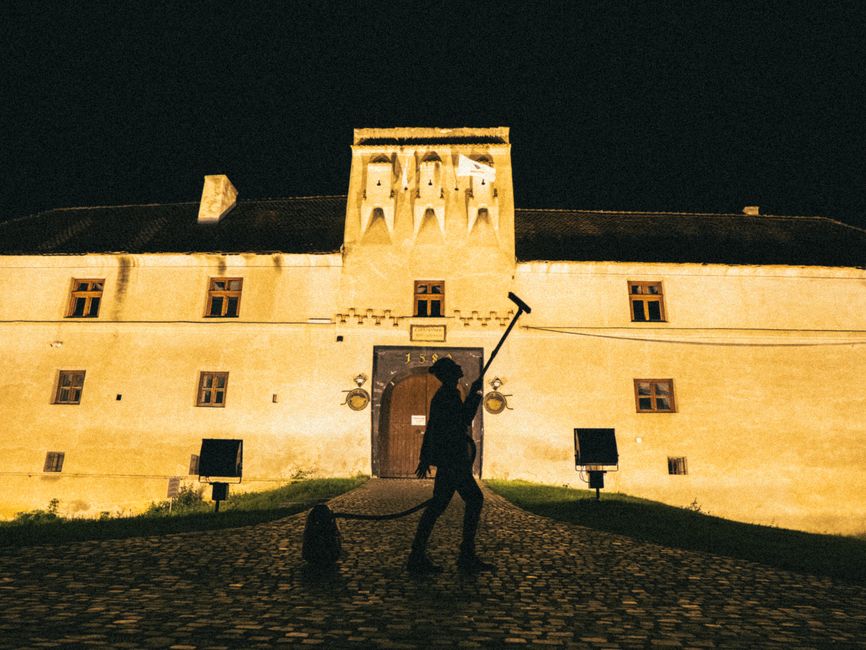
The clearest verdict is simple: give Brașov the longest urban stay, Sighișoara the slowest pace and the castle area one focused day. Each destination solves a different travel need, so equal time is not the fairest comparison.
What each place does well
| Stop | Strongest reason to visit | Main limitation |
|---|---|---|
| Brașov | Walkable old town, mountain views, restaurants and transport connections | Popular streets feel busy during peak daylight hours |
| Bran | Castle setting, mountain scenery and a clear connection to the Dracula legend | The village can feel commercial and crowded near the main attraction |
| Râșnov | Hilltop views and a useful pairing with Bran | Access to the historic citadel may change during restoration work |
| Sighișoara | Preserved medieval citadel, towers, lanes and a strong evening atmosphere | The steep historic centre is less comfortable with heavy luggage |
| Sinaia | Peleș Castle, forested slopes and a classic mountain-resort setting | It is south of Brașov and can complicate a northbound route |
The practical ranking
For history and atmosphere, Sighișoara has the highest reward per walking hour. For convenience, Brașov wins because it gives travelers more choices when weather changes or a planned excursion falls through. For scenery, the Bran and Râșnov corridor is more useful than either town alone. It places castle architecture, open mountain views and short travel distances within one day.
Travelers expecting a single grand fortress may feel disappointed by the castle stops. Bran is dramatic in location and famous in popular culture, but its connection to the historical Dracula figure is much looser than many visitors expect. Peleș offers richer royal interiors, yet it is not a medieval Transylvanian fortress. That distinction matters when setting expectations.
Where to sleep
Stay inside or near Brașov’s historic centre for the first two nights if evening walks matter. Choose accommodation outside the old citadel in Sighișoara only when easier parking or quieter rooms are more valuable than immediate access to the historic lanes. In Bran, an overnight stay makes sense for travelers who want an early start, mountain walks or a quieter view after day visitors leave. Otherwise, returning to Brașov keeps the route simpler.
A five-day itinerary that survives real travel
Days 1 and 2: settle into Brașov
- Day 1: arrive, walk through Piața Sfatului, see the Black Church from the outside or inside if opening hours allow, then continue along the older streets toward the city gates. Keep the first afternoon light. Brașov is more enjoyable when the arrival day does not become a race between landmarks.
- Day 2: explore the historic centre in the morning and reserve the afternoon for a viewpoint or a short mountain outing. Mount Tâmpa can be reached on foot by several paths, but wet weather makes the steeper sections slippery. Allow extra time for the descent rather than planning a second distant attraction afterward.
Day 3: Bran and Râșnov
Leave early for Bran, especially during weekends and school holidays. Visit the castle area before the busiest middle hours, then use the remaining time for village lanes, a local meal or a short countryside walk. Continue to Râșnov if the citadel is accessible; check the current access arrangement before building the day around the hilltop interior. The surrounding views remain worthwhile even when restoration affects visitor access.
Do not add Sinaia to this day. The detour turns a focused excursion into a long transport day and leaves little time for either castle.
Day 4: Sighișoara after the crowds
Travel to Sighișoara in the morning and spend the afternoon inside the citadel. Walk the covered staircase, climb a tower if conditions and opening times permit, and follow the outer lanes after the busiest period. The town changes character when organized day groups leave. Evening is the best time for quiet photographs, but the cobbled streets and slopes demand shoes with firm grip.
Day 5: choose a return direction
On the final day, choose one of two sensible endings. Head toward Biertan or Viscri for fortified village heritage if the departure point allows a slow detour. Alternatively, travel south toward Sinaia for Peleș Castle, then continue toward Bucharest or the next overnight stop. The second option works best when the castle visit aligns with the onward route. It is a poor choice when it requires returning north afterward.
This plan is intentionally incomplete. A route with one open afternoon is more resilient than a route that fails as soon as rain delays a train or a mountain road slows down.
Which mistakes make this route feel rushed?
The biggest mistake is treating Transylvania as a collection of nearby photographs. The region rewards sequence and timing. Most disappointing trips come from poor routing, not from a lack of attractions.
Common planning failures
- Trying to visit three major sites in one day: Bran, Râșnov and Sighișoara may look close enough on a map, but queues and road time remove the hours needed to enjoy them.
- Using a castle legend as the entire reason to visit: Bran is more interesting when its setting, architecture and later cultural story are considered together. Expecting a direct historical link to Dracula creates a false sense of disappointment.
- Ignoring the departure direction: A stop at Peleș makes sense on a southbound route. It is inefficient as a random side trip from Sighișoara.
- Booking only central historic accommodation: The location is convenient, but parking, stairs and night-time noise can create practical problems. Ask about luggage access and arrival instructions before confirming a room.
- Assuming every mountain day remains available: Rain, fog and early snow can change trail conditions. Keep a town-based alternative for each outdoor plan.
- Leaving transport decisions until the morning: Trains and buses connect major towns, but smaller villages and castle corridors need more planning. Check the final departure after allowing for delays, walking time and station locations.
When to skip a stop
Skip Bran if the route already includes several castle interiors and the main interest is medieval town life. Skip Peleș when the onward journey goes north and the detour would consume most of a day. Skip a mountain walk when rain has made the path unsafe; the historic centres of Brașov and Sighișoara provide stronger alternatives than a wet viewpoint reached under pressure.
The right itinerary is allowed to remove attractions. A shorter list with better timing gives each remaining place a clearer identity.