How to divide a weekend in Hamburg
A weekend in Hamburg works best when each day has a clear geographic shape. The harbour, Speicherstadt and HafenCity belong together, while St. Pauli and the western riverfront deserve a separate block. Trying to cross the whole city for every sight wastes time and leaves the best neighbourhoods feeling rushed.
| Time | Area | Best use of the time |
|---|---|---|
| Friday evening | St. Pauli | Arrival walk, harbour lights and a relaxed meal away from the busiest strip |
| Saturday morning | Landungsbrücken and the harbour | Water views, harbour history and a walk along the Elbe |
| Saturday afternoon | Speicherstadt and HafenCity | Canals, brick warehouses, courtyards and modern architecture |
| Saturday evening | St. Pauli | Neighbourhood atmosphere, live music and night-time streets |
| Sunday | Alster or Blankenese | A slower final day with water, green space and fewer crowds |
The best base for a short stay
A central base near the main railway station, the harbour or St. Pauli keeps the walking distances manageable. The station area is useful for arrivals and departures. St. Pauli feels more atmospheric at night. The harbour gives the most memorable first impression, but it can be noisy during busy periods.
The simple planning rule
Keep the first day close to the Elbe and the second day flexible. Hamburg weather can change quickly, so an open afternoon is more useful than a schedule packed with timed stops. Book only the activities that truly require a fixed entry time.
Day one: see the harbour before the city centre
Start at the harbour, not with a long museum visit. Hamburg makes sense once the Elbe, the docks and the working port are visible. Landungsbrücken is the natural starting point because it connects the waterfront, the old tunnel beneath the river and the streets rising towards St. Pauli. Arrive early enough to see the river before the promenade becomes crowded.
Morning at Landungsbrücken
Walk along the waterfront and watch the scale of the port. Large ships may be visible, but the view changes from day to day because this remains a working harbour rather than a fixed attraction. The old Elbtunnel is a useful detour when the weather turns wet. Its tiled entrance, long pedestrian passage and river views from the opposite side create a quick sense of place without requiring a full morning.
Lunch with a river view
Move slowly west along the Elbe instead of returning immediately to the centre. The promenade gives better views of passing vessels and the opposite bank. Hamburg rewards time outside more than a complicated midday plan.
Afternoon toward the modern waterfront
Continue towards HafenCity after lunch. The contrast is the point: old port structures sit beside broad public spaces, new buildings and the distinctive concert hall. The area feels open and polished, while the harbour around Landungsbrücken feels busier and more layered. End the afternoon near Speicherstadt so the red brick warehouses appear in changing light before dinner.
Speicherstadt is best explored on foot
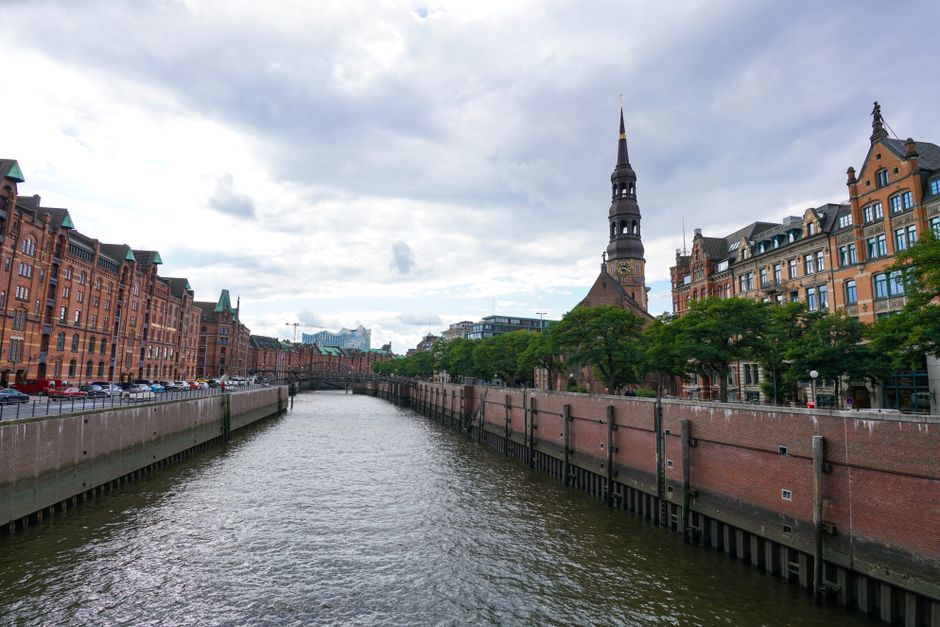
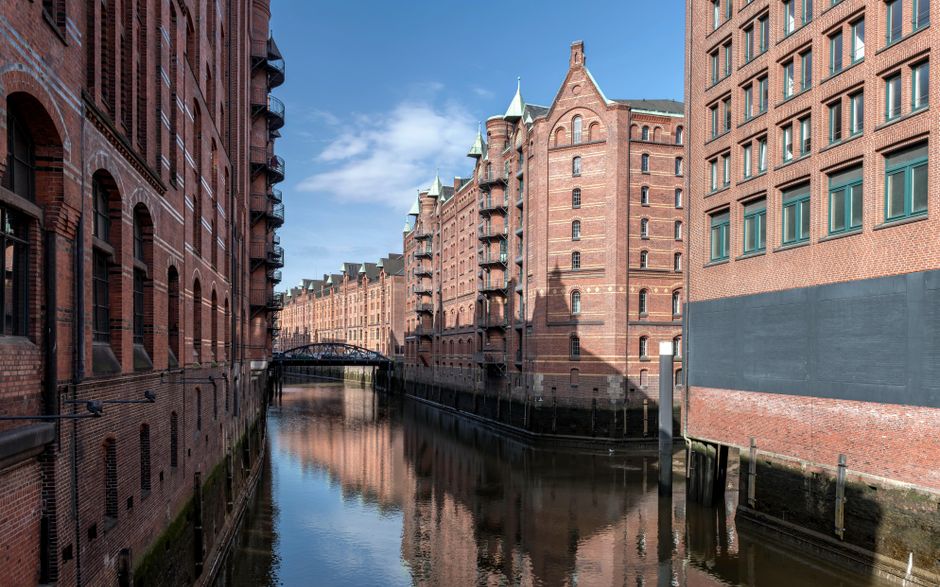
The clear verdict is to walk Speicherstadt slowly. Its appeal comes from the relationship between water, brick, bridges and narrow passages, not from ticking off one indoor attraction after another. The district was built as a warehouse quarter and remains most impressive from street level, where the canals reveal different views at every turn.
A route that avoids backtracking
Enter from the HafenCity side and follow the canals towards the older warehouse streets. Cross several bridges, then turn into the quieter lanes before returning towards the main squares. Allow at least two hours for the district. A shorter visit can cover the main canals, but it will miss the small courtyards and changing angles that make the area memorable.
What the warehouses actually show
The dark brick façades, pointed gables and water-level loading doors explain how Hamburg once handled imported goods. The district is not a preserved stage set detached from the city. Offices, cultural venues and visitors now share the same buildings, which is why some lanes feel lively while others become quiet after business hours. The best photographs usually come from the bridges rather than from the broadest streets.
Wear shoes with good grip. Wet paving stones become slippery, and rain can make the canalside paths uncomfortable. Keep the plan flexible around indoor attractions because queues and opening times change. Speicherstadt itself remains the reliable part of the afternoon.
What to do in St. Pauli after dark
St. Pauli is more than one famous street. The neighbourhood works best when the evening begins with a walk and ends with a choice of music, theatre or a late meal. The strongest plan is to avoid arriving with a checklist.
- Start near the harbour and walk uphill through the side streets.
- Pass through the main entertainment area briefly, then explore the quieter streets around it.
- Look for a small venue, local bar or live performance instead of staying in the busiest stretch all night.
- Finish near the river or return through the illuminated streets before the crowds thin out.
The Reeperbahn and its side streets
The Reeperbahn is loud, bright and deliberately theatrical. It is worth seeing, but it does not represent all of St. Pauli. Side streets contain residential buildings, independent venues and a more relaxed rhythm. Keep valuables secure in dense crowds and ignore aggressive approaches from promoters. A good evening here comes from choosing one or two stops, not from accepting every invitation on the pavement.
Music, football and neighbourhood character
St. Pauli has a strong connection to live music and football culture. Match days can transform the area, bringing extra noise, colour and crowds. That atmosphere suits visitors who want energy, but it can frustrate anyone hoping for a quiet dinner. Check the local calendar before choosing accommodation or planning a late arrival. For most visitors, the best verdict is simple: spend the evening in St. Pauli, but sleep somewhere with a little distance from the busiest nightlife.
Which Hamburg detours are worth the time?
After the main route, Hamburg offers several strong alternatives. The right choice depends on the kind of final day the trip needs, but one option stands out for most short visits: choose the Alster for convenience and Blankenese for a slower, more scenic change of pace.
Should the final morning be spent by the Alster?
Yes, if a central and low-effort walk is the priority. The Alster gives an easy contrast to the industrial harbour. Paths, water views and grand residential streets create a calmer morning without a complicated journey. It is the best choice after a late night in St. Pauli or before an afternoon departure.
Is Blankenese worth leaving the centre?
Yes, if there are several spare hours and the weather is stable. Blankenese feels more like a riverside district than a city-centre sight, with steep streets, steps and views across the Elbe. The trade-off is time: reaching it and returning takes more planning than walking around the Alster. The reward is a quieter side of Hamburg with fewer major attractions and more local scenery.
When should these detours be skipped?
Skip both if the first day already felt rushed. A relaxed return to the harbour, another walk through Speicherstadt or an unhurried meal will give more value than adding another location just to fill a map.
Common questions before booking a Hamburg weekend
Is two days enough for Hamburg?
Two full days are enough for the harbour, Speicherstadt, St. Pauli and one slower neighbourhood. The city has more museums, parks and districts than a weekend can cover, but the main character of Hamburg appears clearly within this route. Leave the city wanting another visit rather than forcing every landmark into the schedule.
Should the harbour come before Speicherstadt?
Yes. The harbour explains Hamburg’s history and scale, while Speicherstadt shows how that trade shaped the city. Seeing them in that order makes the brick warehouses easier to understand. Starting with the old warehouse district can make it feel like an attractive collection of buildings instead of part of a working port city.
Is St. Pauli suitable for every traveller?
St. Pauli suits visitors who enjoy noise, nightlife and strong street character. It is less suitable for anyone seeking silence, early mornings or a polished atmosphere. Visit it even if nightlife is not the goal, but choose accommodation elsewhere if sleep matters more than being close to the action.
The best final itinerary for a first weekend
Choose the harbour on Saturday morning, Speicherstadt on Saturday afternoon and St. Pauli on Saturday night. That order follows Hamburg’s natural story: water and trade first, warehouses and city growth next, then the lively neighbourhood that gives the city its edge.
Friday evening
Arrive, settle in and take a short walk near the harbour or St. Pauli. Keep the first meal simple. The goal is to learn the shape of the neighbourhood, not to complete a sightseeing list after travelling.
Saturday
Begin at Landungsbrücken, explore the old river tunnel if conditions suit, then follow the waterfront towards HafenCity. Spend the afternoon walking Speicherstadt and crossing its bridges. Return to St. Pauli after dark for music, food or a neighbourhood walk.
Sunday
Use the morning for the Alster, Blankenese or a second harbour walk. Choose the Alster when convenience matters and Blankenese when a quieter river view is the priority. For a first visit, this route offers the strongest balance of history, water, architecture and local atmosphere without making the weekend feel like a transfer timetable.