Can Ronda and the white villages fit into one useful Andalusia itinerary without turning the trip into a rushed sequence of viewpoints? Yes, but only with realistic driving times, careful village choices and enough room for slow meals, steep walks and mountain roads. Ronda works best as the main base, while the surrounding pueblos blancos add smaller plazas, quiet lanes and a clearer sense of rural Andalusia.
Is Ronda worth visiting for more than one day?
Ronda deserves at least one full day, and two nights make the surrounding villages far easier to enjoy. A quick stop can cover the famous gorge, bridge and old town, but it leaves little time for the places that give Ronda its character: shaded lanes, small museums, local markets and viewpoints away from the main circuit.
What makes Ronda different
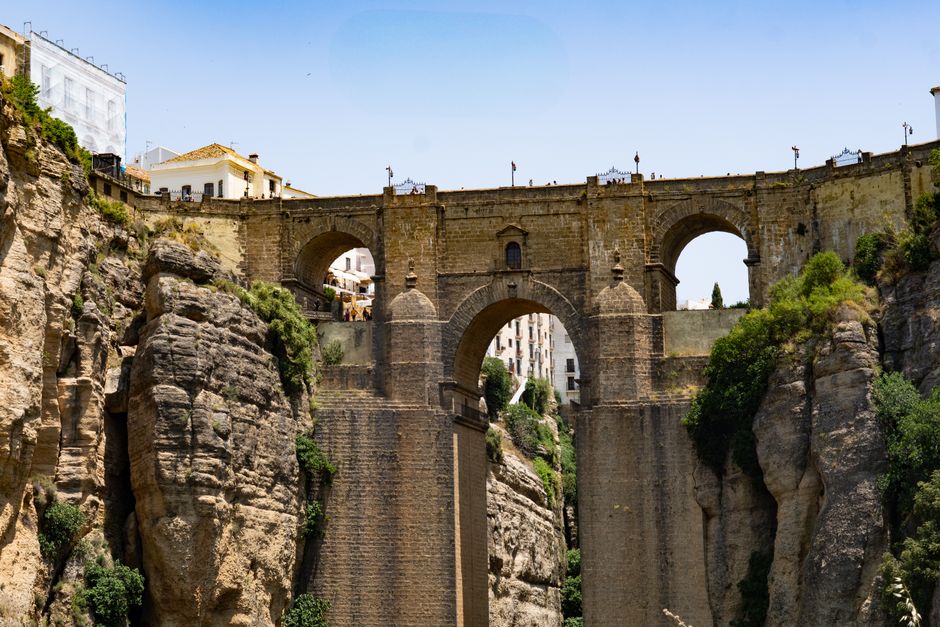
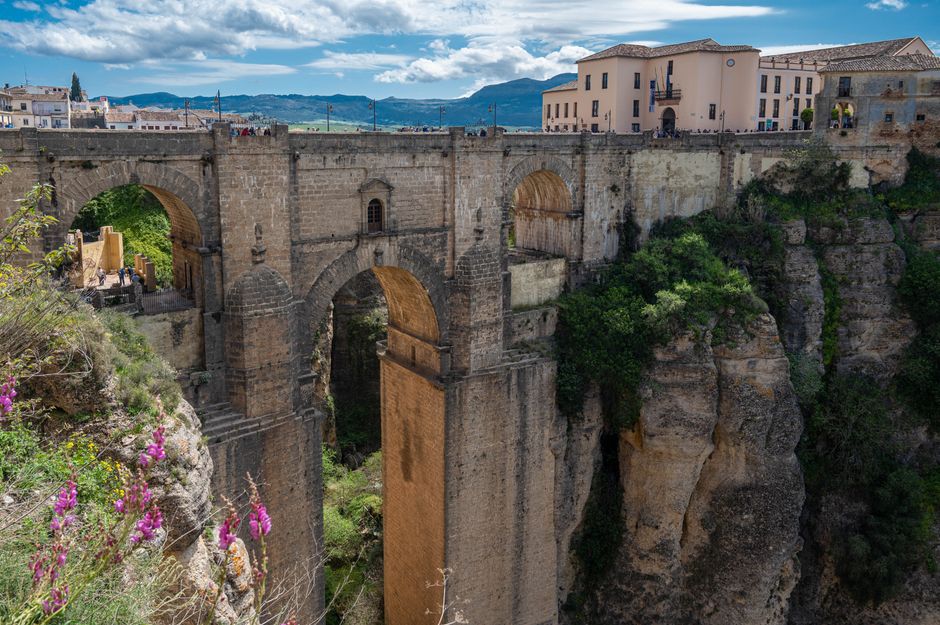
Ronda sits above the El Tajo gorge, with the older Moorish quarter on one side and the newer town on the other. The dramatic setting is obvious, but the geography also shapes the visit. Streets rise and fall sharply, viewpoints are spread out and the most attractive walks often begin away from the central bridge. The town feels more substantial than a single monument stop.
What can be covered in one day
A focused day can include the Puente Nuevo, the gorge paths, the old quarter, the Arab baths and a late afternoon walk along the city walls. Start early for the bridge viewpoints, visit the main historic sites before the hottest part of the day and leave time for a long lunch. The clearest verdict is simple: Ronda is worth an overnight stay, especially when the itinerary also includes mountain villages.
How many days are needed for Ronda and the white villages?
Three days is the best balance for a first visit. Two days can work, but the route becomes selective. Four or more days suit travelers who want hiking, village walks and a slower pace rather than a checklist of landmarks.
A practical three-day outline
| Day | Route | Realistic focus | Walking time |
|---|---|---|---|
| 1 | Ronda old town | Puente Nuevo, gorge paths, historic quarter and evening viewpoints | 4 to 6 hours |
| 2 | Ronda to Grazalema | Mountain scenery, village lanes and a short marked trail | 2 to 4 hours |
| 3 | Zahara de la Sierra and Setenil | Reservoir views, hillside streets and cave houses | 3 to 5 hours |
The distances look modest on a map, but the roads are slow. A route covering 100 kilometres may take more than two hours once bends, photo stops and village traffic are included. The strongest plan keeps Ronda as the first or final base and limits each day to two main stops.
How should the route be travelled without wasting time?
The most efficient route uses a car, especially for Grazalema, Zahara de la Sierra and the smaller settlements between them. Public transport can reach larger towns, but connecting several villages in one day is difficult and often forces long waits.
A simple driving sequence
- Begin in Ronda and explore the town before leaving for the mountains.
- Drive toward Grazalema early, allowing extra time for narrow bends and lookout points.
- Continue to Zahara de la Sierra if the weather is clear and the road conditions are comfortable.
- Use Setenil de las Bodegas as a separate stop rather than squeezing it into a late evening.
- Return before dark on unfamiliar mountain roads, particularly outside the summer season.
Transport details that matter
Navigation signals can weaken in the mountains, so download maps before leaving Ronda. Fuel stations become less frequent outside the larger towns. Parking in village centres is limited, and some lanes are too narrow for a large vehicle. Leave the car in the signed outer areas and walk in. This saves time and avoids the common mistake of following a satnav into a lane designed for local traffic.
The clear choice is a flexible self-drive route for travelers visiting several villages. Those staying only in Ronda can rely on walking and organized day transport, but a village-hopping plan needs control over departure times.
What should visitors expect from the white villages?
The white villages are not interchangeable photo stops. Each has a different shape, setting and rhythm. The whitewashed walls reflect strong sunlight, while tiled roofs, flowerpots and shaded passages soften the streets. Their appeal comes from the way homes, churches, defensive towers and mountain slopes fit together, not from a single attraction that can be crossed off in ten minutes.
Grazalema: the mountain village
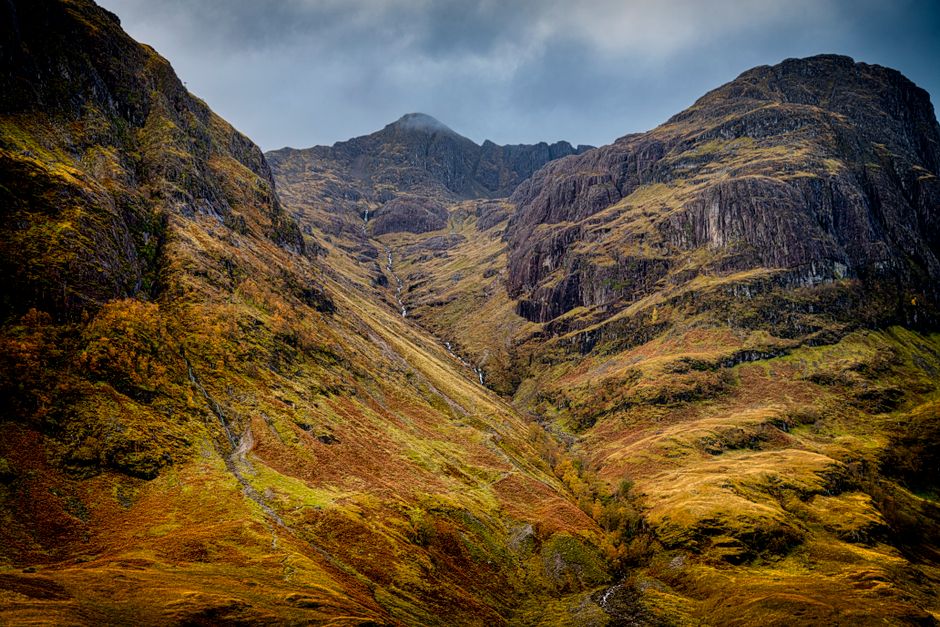
Grazalema is the strongest choice for mountain scenery and walking access. It sits within a protected landscape where limestone peaks rise above compact streets. The centre is easy to explore on foot, but the steep slopes make comfortable shoes essential. Cloud can gather quickly around the peaks, so views may change within an hour. A short trail near the village gives a better sense of the landscape than another hour spent driving.
Zahara de la Sierra: the hillside view
Zahara de la Sierra is built around a steep climb toward a ruined castle. The reward is a broad view over the blue reservoir and surrounding hills. The climb is exposed, with little shade in the middle of the day. Visit early or late, and allow time to stop rather than treating the ascent as a quick photograph.
Setenil de las Bodegas: the unusual street plan
Setenil is famous for homes and restaurants built beneath dramatic rock overhangs. The streets are compact, busy and more urban than the mountain villages. It is the best stop for architectural curiosity, but not the best place for a quiet walk at midday. A useful verdict: choose Grazalema for landscapes, Zahara for elevated views and Setenil for distinctive buildings.
Which white villages are best for a first itinerary?
There is no need to visit every pueblo blanco. Three well-chosen stops create more variety than six rushed ones.
Is Grazalema better for walking?
Yes. Grazalema is the best first choice for travelers who want trails, cooler mountain air and a village that feels connected to the surrounding park. Its streets are steep, but the setting rewards time outside the centre.
Is Zahara better for photographs?
Yes, especially in clear weather. The castle slope, reservoir and layered hills create the most open panorama on the route. The village is less suitable for visitors who cannot manage a steep uphill walk.
Should Setenil be included?
Include Setenil when the route continues toward Seville, Cádiz or Málaga, or when unusual architecture matters more than mountain walking. Skip it on a short itinerary focused on nature. The strongest first-time combination is Ronda, Grazalema and Zahara. Setenil works as a fourth stop only when the driving route remains sensible.
What mistakes make this trip harder than it needs to be?
Most problems come from treating the white villages like nearby city neighbourhoods.
- Overloading the day: Four villages plus Ronda usually means more time in a car than on foot. Choose two major stops and one short viewpoint.
- Ignoring heat: White walls reflect sunlight, and exposed climbs become uncomfortable quickly. Schedule uphill walks before midday or near sunset.
- Assuming every road is easy: Curves, cyclists, livestock and slow traffic can change the timing. Add at least thirty minutes to each mountain transfer.
- Chasing empty streets: The main lanes are busiest during the middle of the day. Arrive early, stay into the evening or explore one street beyond the central viewpoint.
- Wearing unsuitable shoes: Polished stone, uneven paving and steep slopes create a real slip risk. Flat shoes with firm soles are more useful than fashionable but smooth footwear.
- Depending on card payments everywhere: Larger restaurants and visitor sites usually accept cards, but small rural businesses may have different arrangements. Carry a modest amount of cash.
The most avoidable failure is booking a schedule with no weather margin. Fog can remove the best views, and rain makes stone streets slippery. Keep one indoor stop or a flexible afternoon available.
What is the best final itinerary verdict?
For a first visit, spend one full day in Ronda and use two more days for Grazalema and Zahara de la Sierra. This route gives the trip a clear shape: dramatic gorge, mountain village, then reservoir and castle views. Add Setenil only when the onward journey makes it efficient.
The route for active travelers
Stay two nights in Ronda, then move closer to the mountains if a longer walk is planned. Start trails early, carry water and check local conditions before setting out. The landscape is more rewarding when the schedule leaves room for pauses.
The route for slower travelers
Stay three nights in one base and treat the villages as separate day trips. This reduces packing, limits evening driving and makes poor weather easier to manage. Ronda remains the best base when historic sites, restaurants and transport options matter more than remote scenery.
The region works because its parts contrast clearly: Ronda is dramatic and historic, Grazalema is green and mountainous, Zahara is open and elevated, and Setenil is shaped by rock. A practical itinerary protects those differences instead of trying to collect every village in a single day.