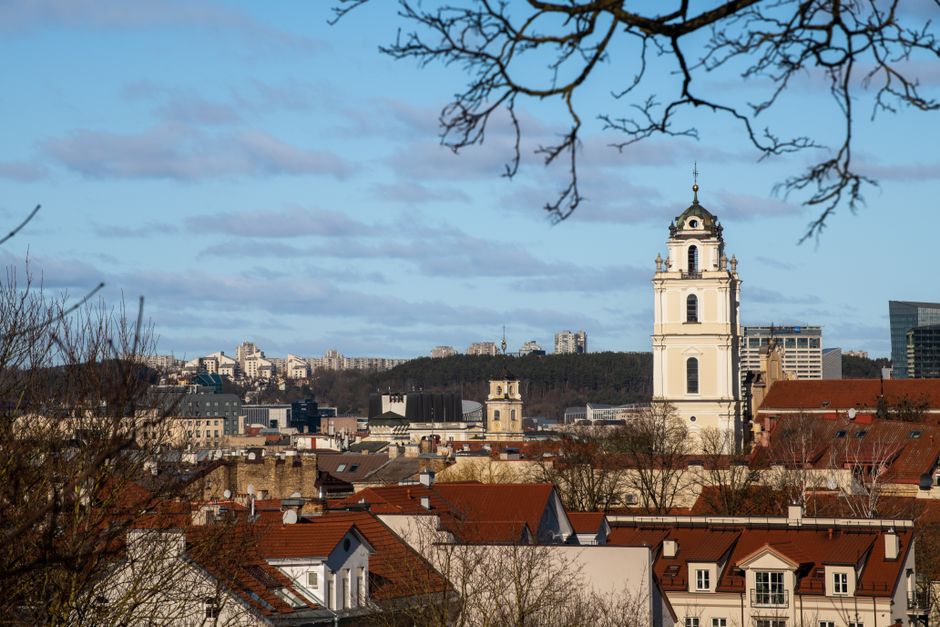
Vilnius rewards slow walking rather than a checklist of distant attractions. The historic center packs Baroque churches, hidden courtyards, steep lanes and riverside neighborhoods into an area that can be explored comfortably over two days.
What makes Vilnius different from other European capitals?
Vilnius feels more spacious and less polished than many famous European capitals, yet its historic core contains an unusually rich mix of architectural styles. Medieval street lines sit beside Baroque churches, Soviet-era apartment blocks, small art spaces and quiet residential lanes. That contrast gives the city its character. The center does not present one perfect postcard view from every angle; it reveals layers as the route changes.
The Old Town works best on foot
The historic center is compact enough for walking, but the surfaces change often. Cobblestones, uneven paving and sloping streets make comfortable shoes more useful than a carefully styled city-break outfit. Cathedral Square forms the natural starting point. From there, the route toward Pilies Street passes courtyards, cafés and historic facades before reaching the Church of St Anne and the Bernardine complex. The distance is short, but the route deserves several hours because the best details sit away from the main road.
Churches reveal the city’s history
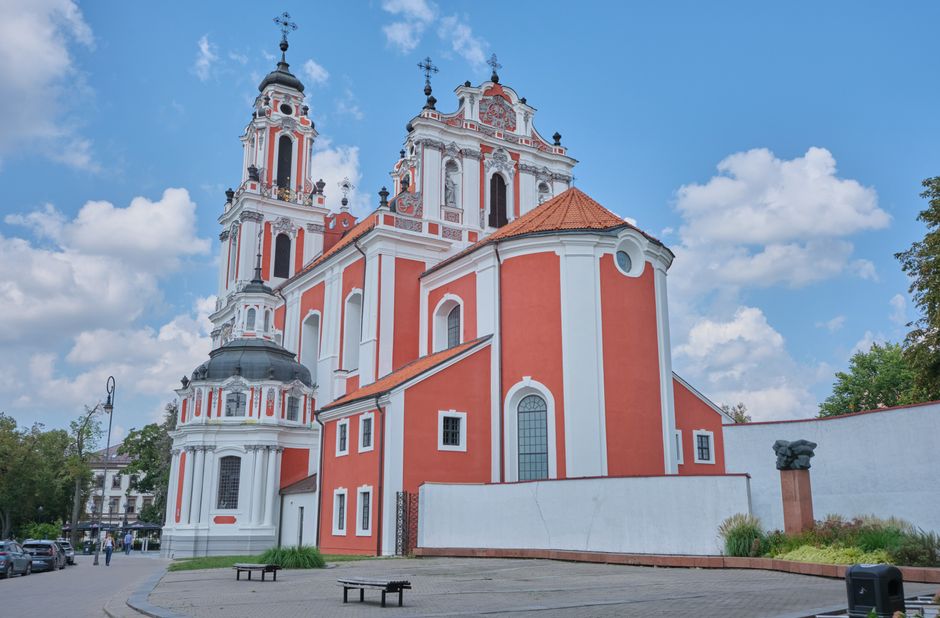
Vilnius is known for its concentration of churches, and each building adds a different part of the story. The Cathedral Basilica represents the city’s grand civic center, while the Church of St Anne is smaller and more intricate. The Church of St Peter and St Paul lies farther from the main Old Town route and is worth the extra walk for its elaborate interior. Visitors should check service times before entering, dress respectfully and keep voices low. Religious buildings remain active places of worship, not just photo stops.
The strongest first impression comes from combining major landmarks with small detours. A doorway, quiet courtyard or narrow passage may explain Vilnius better than another viewpoint.
How to plan a two-day Vilnius itinerary
A good first visit needs a clear order because Vilnius has many attractions but few reasons to rush between them. The schedule below keeps the main sights close together and leaves room for weather, church services and unplanned discoveries. Walking times refer to normal city-center conditions, not fast transfers.
Day one: Cathedral Square and the Old Town
| Time | Area | What to do | Practical note |
|---|---|---|---|
| 09:00–10:00 | Cathedral Square | See the cathedral, bell tower exterior and Gediminas monument | Early morning is quieter for photographs |
| 10:00–12:30 | Gediminas Avenue and Pilies Street | Walk toward the Old Town through courtyards and historic lanes | Allow time for short detours |
| 12:30–14:00 | Old Town | Take a long lunch break | Central streets become busier around midday |
| 14:00–16:30 | St Anne’s and Bernardine area | Visit the churches and explore the riverbank | Check access times before arrival |
| 16:30–18:00 | Republic of Užupis | Cross the Vilnia River and follow the main lanes | Keep the first visit relaxed rather than rushed |
Day two: Gates, viewpoints and quieter streets
Begin near the Gate of Dawn, then walk west through the former defensive edge of the city. Continue toward Town Hall Square, the Jewish Quarter streets and the university area. If energy allows, climb toward the Three Crosses viewpoint or Gediminas Tower for a wider view. The route can take four to six hours depending on stops, stairs and museum visits.
The route itself remains flexible: if rain arrives, replace the viewpoint with a church, museum or extended café break.
Which Vilnius neighborhoods deserve the most time?
The short verdict: spend the most time in the Old Town, then give Užupis a focused half-day rather than treating it as a quick photo stop. The Old Town offers the highest concentration of churches, courtyards and architectural detail, while Užupis works through atmosphere, public art and riverside walks rather than a long list of formal attractions.
For architecture, choose the Old Town
The Old Town is the strongest base for a first visit because several different experiences connect within a few minutes of one another: Pilies Street for movement and people-watching, Literatų Street for small artistic details, the university quarter for courtyards and the church district for Baroque interiors. The trade-off is activity. Main lanes can feel busy, especially during summer afternoons, so the best exploration happens before breakfast or after the largest tour groups leave.
For local character, choose Užupis
Užupis has a playful identity, but it is still a living neighborhood rather than a theme park. The Angel of Užupis, the riverside paths, small galleries and independent studios provide the clearest reasons to visit. The area rewards wandering, although some lanes are residential and quiet. Keep expectations realistic: Užupis does not offer a full day of major monuments for every traveler. It works best after the Old Town, when a slower walk and a different mood feel more valuable than another landmark.
What first-time visitors get wrong in Vilnius
Most disappointing visits come from planning errors rather than a lack of attractions. The following mistakes are easy to avoid:
Common planning mistakes
- Trying to see every church interior in one morning. Services, closed doors and long walks between districts make this tiring. Choose three or four churches and look closely instead of collecting entrances.
- Staying only on Pilies Street. The street is useful for orientation, but the strongest courtyards and quieter details sit on side lanes. Turn off the main route every few minutes.
- Leaving Užupis until the final hour. A rushed visit reduces the district to a photograph beside the bridge. Give it at least two hours, including a riverside walk.
- Ignoring the cobblestones. Sturdy shoes matter, especially after rain. Wheeled luggage can become awkward on older lanes and steps.
Mistakes caused by unrealistic expectations
- Expecting every attraction to open early. Churches and museums may follow different schedules.
- Assuming a viewpoint is effortless. Hills and stairways can make a short map distance feel much longer.
- Planning only indoor attractions for a summer day. Vilnius is at its best outdoors, especially in courtyards and along the Vilnia River.
- Treating the city as a nightlife-only destination. The most memorable hours often come from early walks, quiet squares and changing light on church facades.
The best correction is simple: leave one unplanned block each day. Vilnius has enough compact streets to reward curiosity without creating a transport problem.
Questions first-time visitors usually ask
How many days are enough for Vilnius?
Two full days cover the Old Town, the main church district, the Gate of Dawn and Užupis without a frantic schedule. Three days create room for Trakai, a longer museum visit or slower exploration of neighborhoods outside the center. A single day can show the highlights, but it forces difficult choices and leaves little space for weather delays.
Is Vilnius easy to explore without a car?
Yes. The central sights sit close together, and walking usually gives a better sense of the city than moving between them by vehicle. Public transport helps with attractions outside the center, while taxis or ride services can save time when hills, rain or luggage make walking uncomfortable.
When should churches and viewpoints be visited?
Visit popular churches soon after opening or between services, then use the middle of the day for streets, courtyards and lunch. Viewpoints work best in clear weather, but the city still looks attractive under cloud because pale facades and red roofs create strong contrast. Always verify current access rules before building the day around a single tower or interior.
What is the best first-time route through Vilnius?
The best route starts at Cathedral Square, crosses the Old Town through Pilies Street, pauses at St Anne’s and the Bernardine complex, then ends in Užupis. It works because the route follows the city’s natural geography instead of forcing repeated crossings. The first half delivers the strongest concentration of landmark architecture; the final section slows down beside the river and introduces a more residential, creative side of Vilnius.
A practical order for the day
Start early at the cathedral, walk toward the university and Pilies Street, then explore the church district before lunch. Afterward, follow the river into Užupis and leave time for side streets.
The clear recommendation
For a first visit, two walking days in central Vilnius are the strongest choice. Prioritize the Old Town for architecture, reserve a relaxed half-day for Užupis and avoid filling every hour with formal attractions. That balance gives enough history to understand the city, enough open time to notice its courtyards and enough flexibility for the practical surprises that make travel plans work in real life.